WHO warns conflict in DR Congo is fueling deadly Ebola outbreak
 13 oC
13 oC 
Güneşli

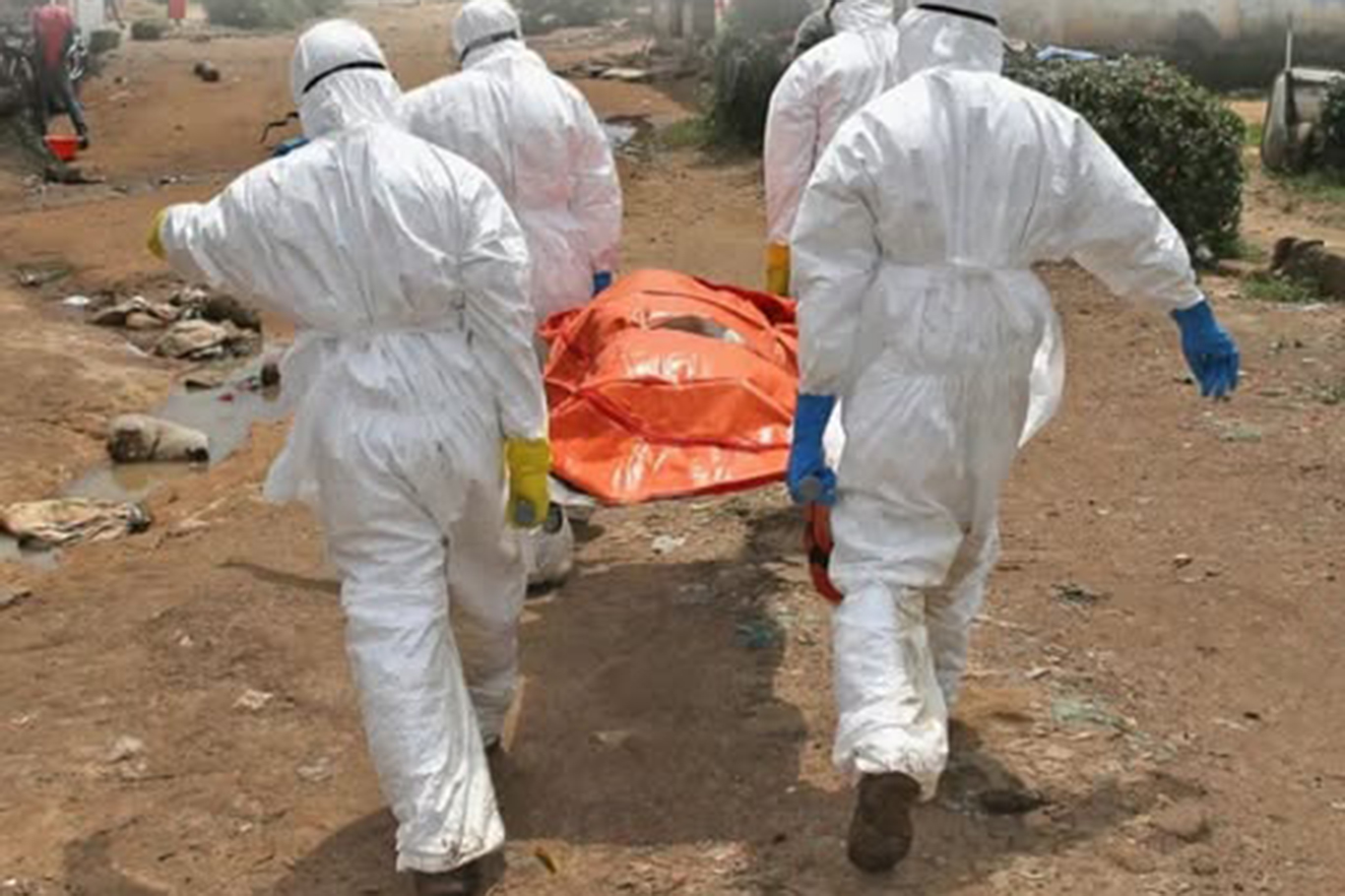
The ongoing conflict in eastern Democratic Republic of the Congo is severely undermining efforts to contain a growing Ebola outbreak, the World Health Organization (WHO) has warned, as violence, displacement, and collapsing infrastructure continue to obstruct humanitarian access.
WHO Director-General Tedros Adhanom Ghebreyesus said the situation in Ituri province represents a “catastrophic collision of disease and conflict,” stressing that response teams are unable to operate effectively under active fighting.
In remarks posted on X, Tedros said the WHO cannot “build community trust or isolate the sick while bombs are falling,” adding that stopping the outbreak depends entirely on securing safe humanitarian access. He is expected to travel to DR Congo this week to lead international containment efforts.
The outbreak, centered in eastern DR Congo’s Ituri province, has already been linked to around 220 suspected deaths, according to health authorities. Uganda has now announced the temporary closure of its border with DR Congo in response to growing concerns over cross-border transmission.
Conflict and Displacement Fuel Health Crisis
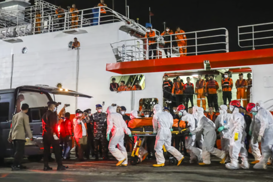
Aid agencies report that response operations are being hampered by ongoing armed clashes, poor road infrastructure, and mass displacement of civilians into overcrowded camps, where disease transmission risks are significantly higher.
Ituri province has been under military administration since 2021, when civilian authority was replaced in an effort to curb activity by multiple armed groups operating in the region. However, insecurity has persisted, with repeated attacks now directly affecting health operations.
Tedros warned that frontline health workers are operating under extreme danger, with attacks on health facilities and continued fighting making it nearly impossible to track cases and trace contacts.
“Ongoing clashes are driving mass displacement, pushing exposed contacts into overcrowded camps and severing critical containment corridors,” he said.
Travel Restrictions Expand Internationally
Concerns over the outbreak have triggered a wave of international travel restrictions. Uganda’s border closure took immediate effect, allowing only essential workers such as medical staff, humanitarian responders, food transporters, and security personnel under strict conditions.
Other countries have also imposed restrictions, including Canada, which announced a 90-day entry ban for residents from DR Congo and neighboring Uganda and South Sudan. The Bahamas introduced quarantine requirements for travelers from the affected countries, while the United States has banned non-citizens who have recently traveled from the region.
Ebola Strain Without Vaccine Complicates Response
Health authorities say the outbreak is a rare strain of Ebola known as Bundibugyo, for which there is currently no approved vaccine or specific treatment.
Although around 1,000 people are showing symptoms consistent with Ebola, only 17 deaths have been confirmed through laboratory testing so far. Health teams are working urgently to trace approximately 3,600 identified contacts of infected individuals.
Medical charity Médecins Sans Frontières (MSF) said it may take weeks to establish adequate infrastructure in the epicenter due to insecurity and logistical challenges. MSF officials warned that limited testing capacity means the full scale of the outbreak remains unclear.
“We’re still far behind having control of the situation,” said Ewald Stals, MSF director in DR Congo. “As long as that is the case, the virus is still ahead of us.”
International Response Intensifies
The European Centre for Disease Prevention and Control (ECDC) announced it is increasing its presence in the region, deploying additional experts through the EU Health Task Force to support containment efforts.
Meanwhile, WHO has called on all parties involved in the conflict to agree to an immediate ceasefire, warning that without stable humanitarian access, efforts to contain the outbreak could fail as transmission continues to spread in one of the world’s most volatile regions. (ILKHA)
LEGAL WARNING: All rights of the published news, photos and videos are reserved by İlke Haber Ajansı Basın Yayın San. Trade A.Ş. Under no circumstances can all or part of the news, photos and videos be used without a written contract or subscription.
School life expectancy (SLE) in Türkiye fell 2.4% in 2025 from a year earlier, reaching 16.8 years, according to data released by the Turkish Statistical Institute (TÜİK) on Tuesday.
The Democratic Republic of Congo (DRC) has recorded more than 8,000 confirmed Ebola cases and nearly 4,000 deaths in the country’s largest-ever Ebola outbreak, according to the latest data from Congolese health authorities.
Five elderly residents have died at a care home in southern Portugal amid an outbreak of Influenza A, with health authorities continuing to monitor the situation and prosecutors investigating the deaths.

Türkiye has recovered 90 million tons of recyclable waste since launching its Zero Waste Movement in 2017, increasing its national recovery rate to 37.53% in 2025 from 13% at the start of the programme, Environment, Urbanization and Climate Change Minister Murat Kurum said.