Indonesia considers new mechanism for Malacca Strait transit amid global trade concerns
 13 oC
13 oC 
Güneşli

Indonesia is considering a new system for vessels passing through the Strait of Malacca, one of the world’s most critical maritime trade routes, as part of efforts to enhance its role in global commerce.
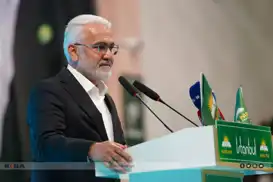
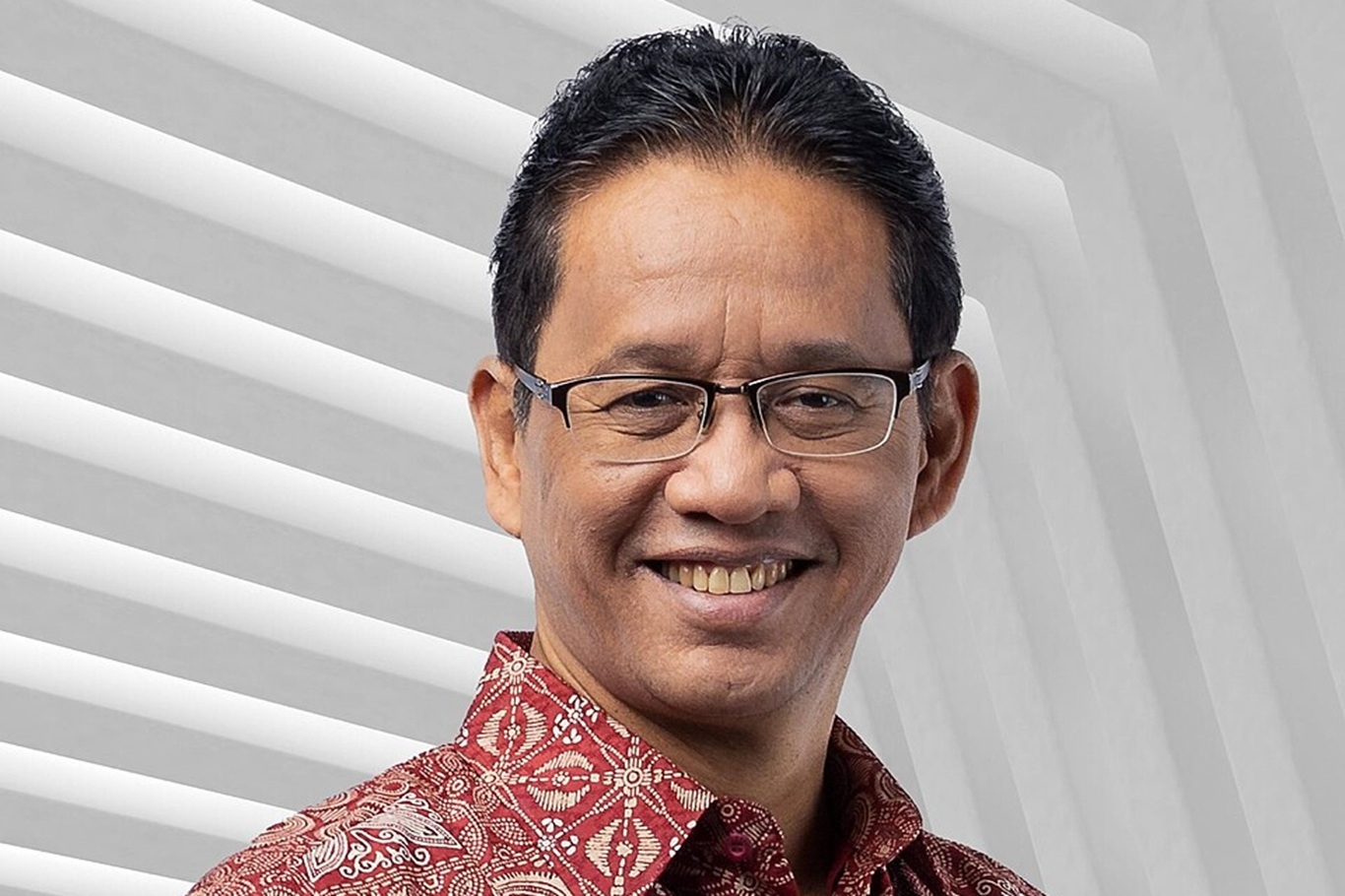
Indonesian Finance Minister Purbaya Yudhi Sadewa stated that despite the strait’s strategic importance for global trade and energy flows, no fees are currently charged for ships transiting the waterway.
He noted that Jakarta is working on a potential framework in coordination with neighboring countries, aligning with President Prabowo Subianto’s goal of positioning Indonesia as a key player in global trade. However, Sadewa acknowledged that reaching consensus with littoral states may prove challenging, and implementation is unlikely in the near term.
The proposal has already drawn differing responses from regional stakeholders. Singapore’s Foreign Minister Vivian Balakrishnan emphasized that freedom of navigation must be preserved, stating that Singapore would not support any attempt to restrict passage or impose charges in the strait.
Connecting the Indian and Pacific Oceans, the Strait of Malacca serves as the shortest maritime route between Middle Eastern energy suppliers and Asian markets. Shared by Indonesia, Malaysia, and Singapore, it is considered the world’s busiest chokepoint for oil transit, underscoring its strategic and economic significance.
The discussions highlight growing debates over control, access, and economic utilization of key global maritime corridors.(ILKHA)
LEGAL WARNING: All rights of the published news, photos and videos are reserved by İlke Haber Ajansı Basın Yayın San. Trade A.Ş. Under no circumstances can all or part of the news, photos and videos be used without a written contract or subscription.
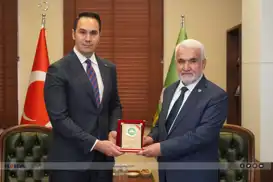
HÜDA PAR Chairman Zekeriya Yapıcıoğlu has called for sweeping economic and social reforms, stronger protection for families and greater unity among Muslim countries, arguing that Türkiye must prioritize justice and human dignity over political interests and financial gain.
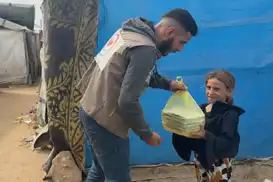
Orphans Foundation (Yetimler Vakfı), a humanitarian organization supporting orphaned children and vulnerable families in Türkiye and abroad, has launched a campaign to provide baby formula to infants facing hunger and malnutrition amid the humanitarian crisis in Gaza.

The seventh anniversary of the death of Nuri Pakdil, the renowned Turkish poet, writer and intellectual whose literary legacy was deeply rooted in his love for Jerusalem and solidarity with Palestine, is being commemorated on Sunday, October 18.
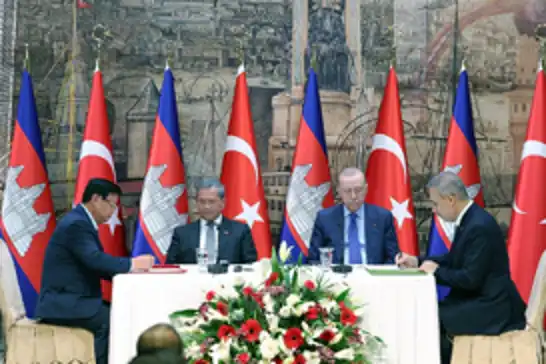
Turkish President Recep Tayyip Erdoğan and Cambodian Prime Minister Hun Manet have pledged to strengthen bilateral ties, with a focus on trade, defence, energy, education and cultural cooperation.