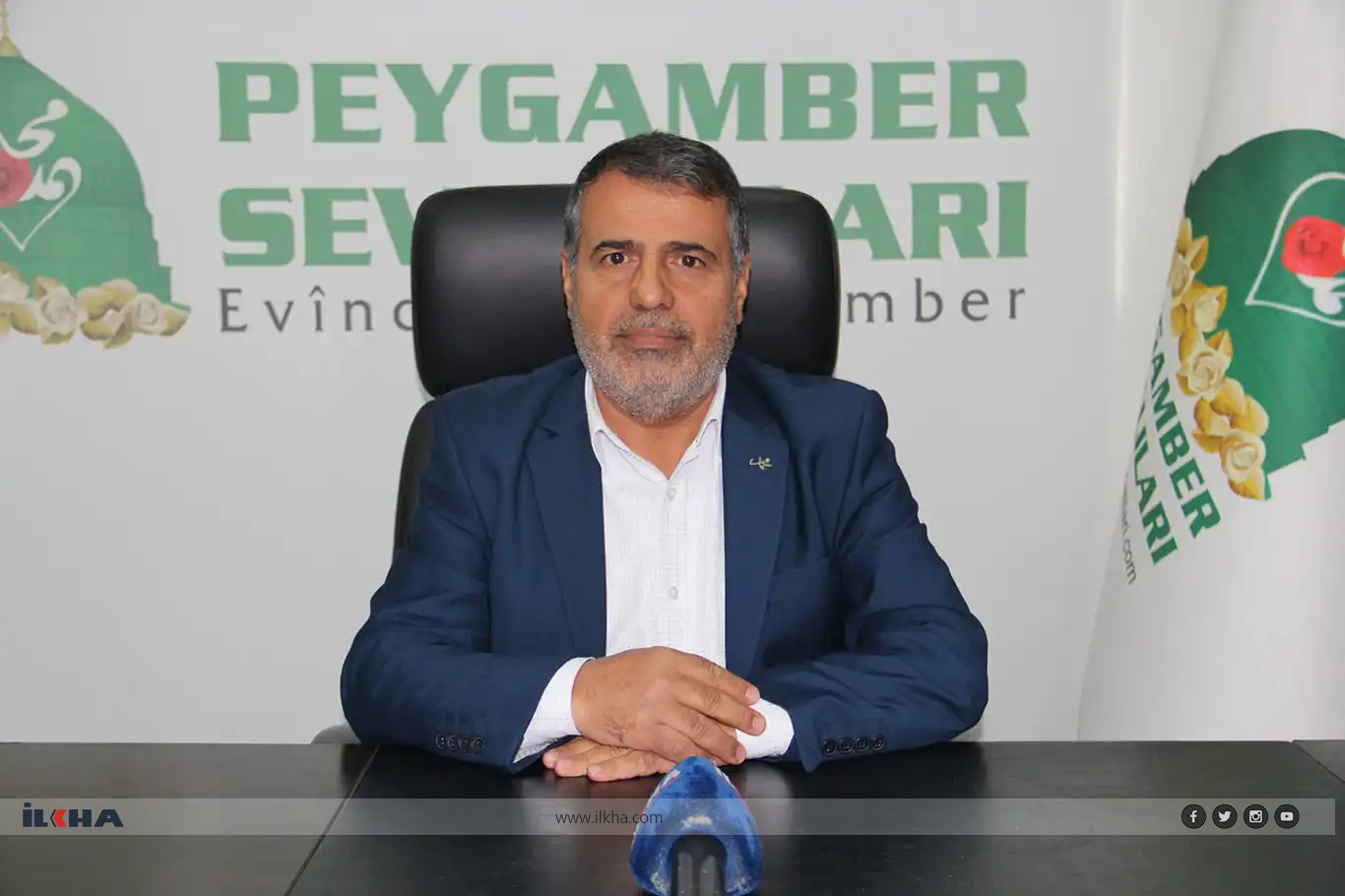
Prophet Lovers Foundation to highlight exemplary lives of two Companions in November programs
 13 oC

Güneşli

The Prophet Lovers Foundation (Peygamber Sevdalıları Vakfı) will highlight the exemplary lives, faith and sacrifices of the Companions of Prophet Muhammad (peace and blessings be upon him) through its November 2026 programs, with a particular focus on Khalid ibn al-Walid and Hafsa bint Umar (may Allah be pleased with them).
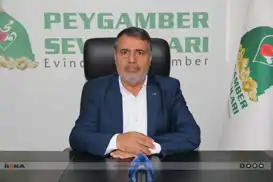
Speaking about the foundation's annual “Stars That Illuminate Our Path – Sahaba-i Kiram” events, Deputy Chairman Kenan Çaplık stressed the importance of keeping the legacy of the Companions alive and conveying their exemplary morals to younger generations.
Çaplık said the programs aim to help people better understand the Companions' devotion to Islam, their commitment to justice and their sacrifices in the service of truth, emphasising that their lives remain a source of guidance for Muslims and humanity at large.
Describing the Companions as among the most distinguished figures in Islamic history, Çaplık said the first generation of Muslims embodied the teachings of the Quran and the Sunnah through their faith, conduct and commitment to the message of Islam.
He noted that the Companions were raised under the guidance of Prophet Muhammad (peace and blessings be upon him) and demonstrated the values of Islam not merely through words, but through their actions and personal sacrifices.
“Their faith, courage, justice, loyalty and sacrifice are still powerful guides that illuminate our path today,” Çaplık said, explaining the foundation's commitment to introducing their lives and exemplary character to new generations.
He added that the Companions' legacy should not be regarded merely as a collection of historical accounts, but as a living example for Muslims seeking to uphold Islamic values in their personal and social lives.
Addressing contemporary challenges, Çaplık said the Companions demonstrated that a society grounded in devotion to Allah, human dignity, justice and brotherhood could overcome systems built on oppression and exploitation.
He stressed that the moral principles embodied by the first generation of Muslims remain particularly relevant at a time when injustice, declining spiritual values and social divisions continue to challenge humanity.
According to Çaplık, Muslims have a responsibility to use their resources for the promotion of goodness, the prevention of evil and the defence of oppressed people.
He also emphasised the importance of solidarity, mutual assistance and standing against injustice, arguing that societies must strengthen goodness against evil, justice against oppression and brotherhood against division.
Drawing attention to ongoing occupations, atrocities and genocides around the world, Çaplık said the suffering witnessed in the 21st century demonstrates humanity's continuing need for a moral framework rooted in justice, equality and brotherhood.
He argued that the Islamic understanding of human dignity and mutual responsibility offers an alternative to systems that encourage hostility and treat human beings as adversaries.
“The Companion generation is a historical truth that demonstrates with its lived examples that this understanding did not remain merely in words,” Çaplık said, describing the lives of the Companions as an enduring call to goodness and brotherhood.
He maintained that their example could inspire contemporary Muslims to confront injustice, strengthen their communities and uphold their responsibilities towards those suffering oppression.
As part of the November 2026 events, the foundation will focus on two prominent figures whose lives left a lasting mark on Islamic history: Khalid ibn al-Walid and Hafsa bint Umar (may Allah be pleased with them).
Khalid ibn al-Walid, one of the most renowned military commanders in early Islamic history, was praised by Prophet Muhammad (peace and blessings be upon him) as one of the swords of Allah. His courage, strategic ability and service to the Muslim community earned him a distinguished place in Islamic tradition.
The programs will also highlight Hafsa bint Umar, the wife of the Prophet and one of the Mothers of the Believers. She is remembered for her devotion to Islam and for safeguarding the early written compilation of the Holy Quran entrusted to her.
By presenting the lives of these two distinguished Companions, the foundation seeks to draw attention to the diverse ways in which the first generation of Muslims served Islam and upheld its values.
Çaplık said Muslims today need the examples of Khalid ibn al-Walid, Hafsa bint Umar and the other Companions more than ever, particularly as communities face moral, social and humanitarian challenges.
He invited the public to participate in the foundation's Companion Month programs, learn more about these exemplary personalities and reflect on the courage, loyalty, faith and spirit of sacrifice that characterised their lives.
Concluding his statement, Çaplık expressed his hope that the events would contribute to the spiritual revival of society and encourage people to embody the teachings of the Quran and the Sunnah in their daily lives.
The Prophet Lovers Foundation organises its “Stars That Illuminate Our Path – Sahaba-i Kiram” programs annually to preserve the legacy of the Companions and promote their exemplary lives and Islamic values among the public, particularly younger generations. (ILKHA)
LEGAL WARNING: All rights of the published news, photos and videos are reserved by İlke Haber Ajansı Basın Yayın San. Trade A.Ş. Under no circumstances can all or part of the news, photos and videos be used without a written contract or subscription.
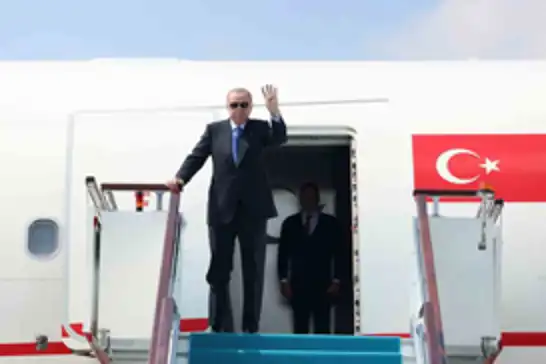
Turkish President Recep Tayyip Erdoğan will visit South Korea from November 1 to 4 at the invitation of South Korean President Lee Jae Myung to discuss bilateral relations and regional and global developments, Türkiye's Communications Director Burhanettin Duran announced.
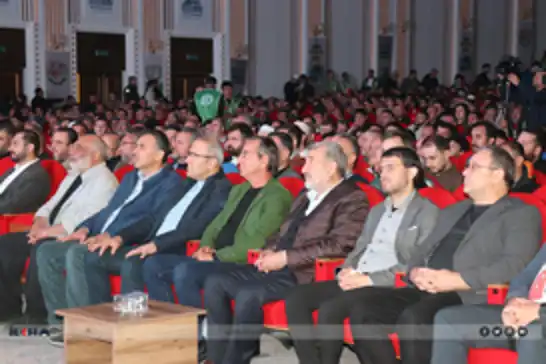
The Humanitarian Relief Foundation (İHH) has organized a program in the capital, Ankara, under the theme “Resurrection for Gaza and Orphans,” reaffirming solidarity with the Palestinian people, support for their resistance against Israeli occupation, and the Islamic duty to protect children orphaned by war.
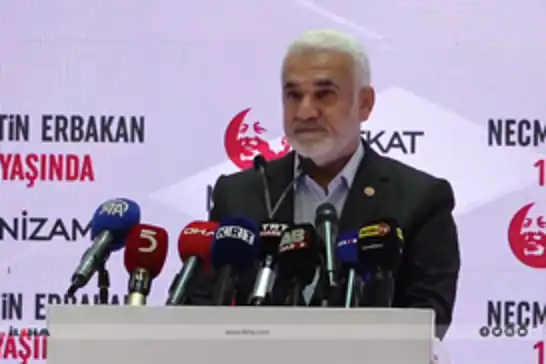
HÜDA PAR Chairman Zekeriya Yapıcıoğlu has called for renewed efforts to realize the late Turkish politician and Islamic thinker Necmettin Erbakan’s vision of a just order based on Islamic principles, stressing that Muslims must play an active role in shaping society and establishing justice.