Türkiye’s agriculture and food sector faces production challenges despite export strength
 13 oC

Güneşli

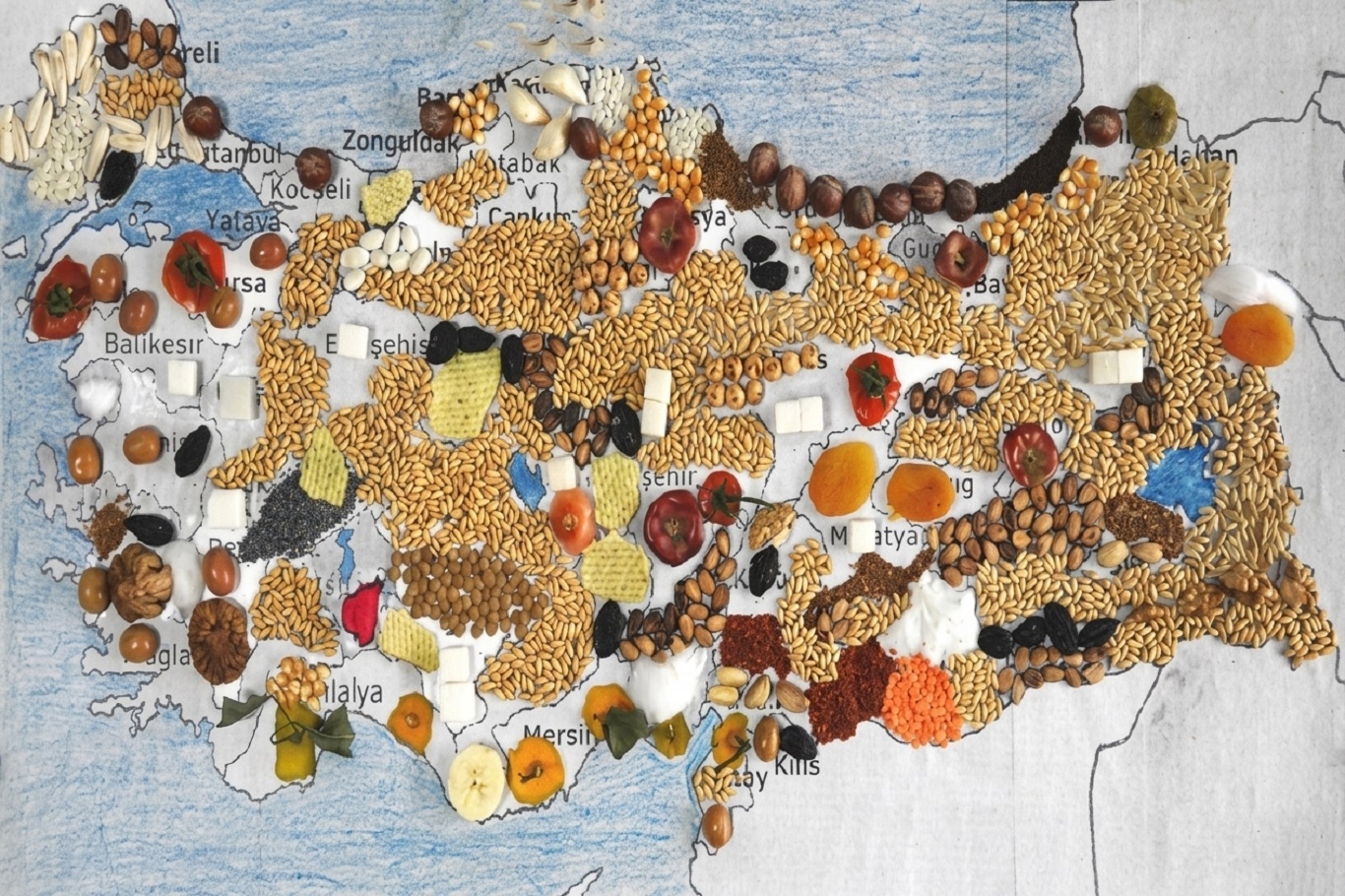
Türkiye’s agriculture, food and beverage sector maintained its export capacity in 2025, with exports reaching $27.79 billion, but the sector faced significant challenges due to declining agricultural production, rising input costs and increasing import levels.
According to data from the Turkish Statistical Institute (TÜİK), total crop production declined by 11.6 per cent in 2025 compared with the previous year, falling to approximately 121 million tonnes.
The decline was mainly driven by adverse weather conditions, including drought, frost and other extreme climate events, which affected agricultural yields across several regions.
Crop production declines amid climate pressures
TÜİK data showed that production of cereals and other field crops decreased by 9 per cent to 68.1 million tonnes, while vegetable production fell by 0.9 per cent to 33.3 million tonnes.
Fruit, beverage and spice crop production recorded the sharpest decline, falling by 30.9 per cent to 19.6 million tonnes.
On a product basis, cereal production dropped by 12.3 per cent to 34.2 million tonnes, while dry legume production declined by 29.2 per cent to around 953,000 tonnes.
The combined production of olives and nuts also decreased by 36.8 per cent to approximately 3.5 million tonnes, with climate-related factors identified among the main causes of the decline.
Exports remain strong, but imports rise
Despite lower production figures, Türkiye’s agriculture, food and beverage exports increased slightly in 2025, rising by 0.35 per cent to $27.79 billion.
However, imports grew at a much faster rate, increasing by 25.47 per cent to $22.88 billion.
As a result, the sector recorded a foreign trade surplus of approximately $4.91 billion, although this was significantly lower than the $9.45 billion surplus recorded in 2024.
Türkiye’s main agricultural export products include hazelnuts, dried fruits, fresh fruits and vegetables, confectionery products, vegetable oils and seafood.
Rising input costs pressure producers
Agricultural input costs remain one of the main concerns for producers.
According to TÜİK’s Agricultural Input Price Index, agricultural input prices increased by 27.62 per cent in July 2026 compared with the same period a year earlier, while the 12-month average increase reached 33.39 per cent.
Higher costs for fertiliser, energy, animal feed, seeds, plant protection products and labour continue to affect the economic sustainability of agricultural businesses.
The relationship between production costs and producer income remains a key factor shaping farmers’ financial conditions.
Water management becomes critical issue
Climate change and changing rainfall patterns have increased concerns over water resources and agricultural sustainability.
According to the Organisation for Economic Co-operation and Development (OECD), around 85 per cent of Türkiye’s total water withdrawals are used in agriculture.
The share of agricultural water use increased from 75.4 per cent around 2000 to 85.1 per cent in 2023, while the country’s water stress indicator rose from 24.2 to 35.2 during the same period.
Experts highlight modern irrigation systems, including drip and sprinkler irrigation, closed irrigation networks and production planning based on regional water capacity as important measures for improving efficiency.
Livestock sector maintains growth
Türkiye’s livestock sector continued to expand in 2026.
According to TÜİK data, the number of large cattle reached 17.8 million, while small livestock numbers approached 60.8 million as of June 2026.
The sheep population increased by 6 per cent compared with December 2025, while cattle numbers rose by 0.5 per cent.
However, feed costs, animal diseases, productivity levels and the economic sustainability of livestock farms remain among the main challenges affecting the sector.
Production planning introduced
Türkiye introduced agricultural production planning for crop production in 2025, while planning for livestock and aquaculture production began in January 2024.
The new support model links agricultural incentives to factors such as compliance with production plans, specific farming practices and regional water availability.
The system aims to encourage strategic production in suitable regions, improve resource efficiency and strengthen food supply security.
Türkiye’s agriculture and food sector continues to benefit from its diverse production capacity, export markets and processing industry. However, declining crop output, rising costs, increased imports and climate-related pressures remain key issues shaping the sector’s future.(ILKHA)
LEGAL WARNING: All rights of the published news, photos and videos are reserved by İlke Haber Ajansı Basın Yayın San. Trade A.Ş. Under no circumstances can all or part of the news, photos and videos be used without a written contract or subscription.
A memorial held at his graveside in Şanlıurfa commemorated Abdusselam İrdem, who was detained in 1993 and died after days of severe torture in police custody in Diyarbakır.
Students from three university communities have handed all funds raised at a charity bazaar to Umut Kervanı for humanitarian aid to Palestinians in Gaza, reaffirming their solidarity with the besieged population.
Türkiye has expressed condolences to Canada following a deadly incident at a military base in Alberta that claimed the lives of four Canadian Armed Forces personnel and left dozens injured.