Türkiye’s religious authority publishes weekly Friday sermon on the central role of worship
 13 oC
13 oC 
Güneşli

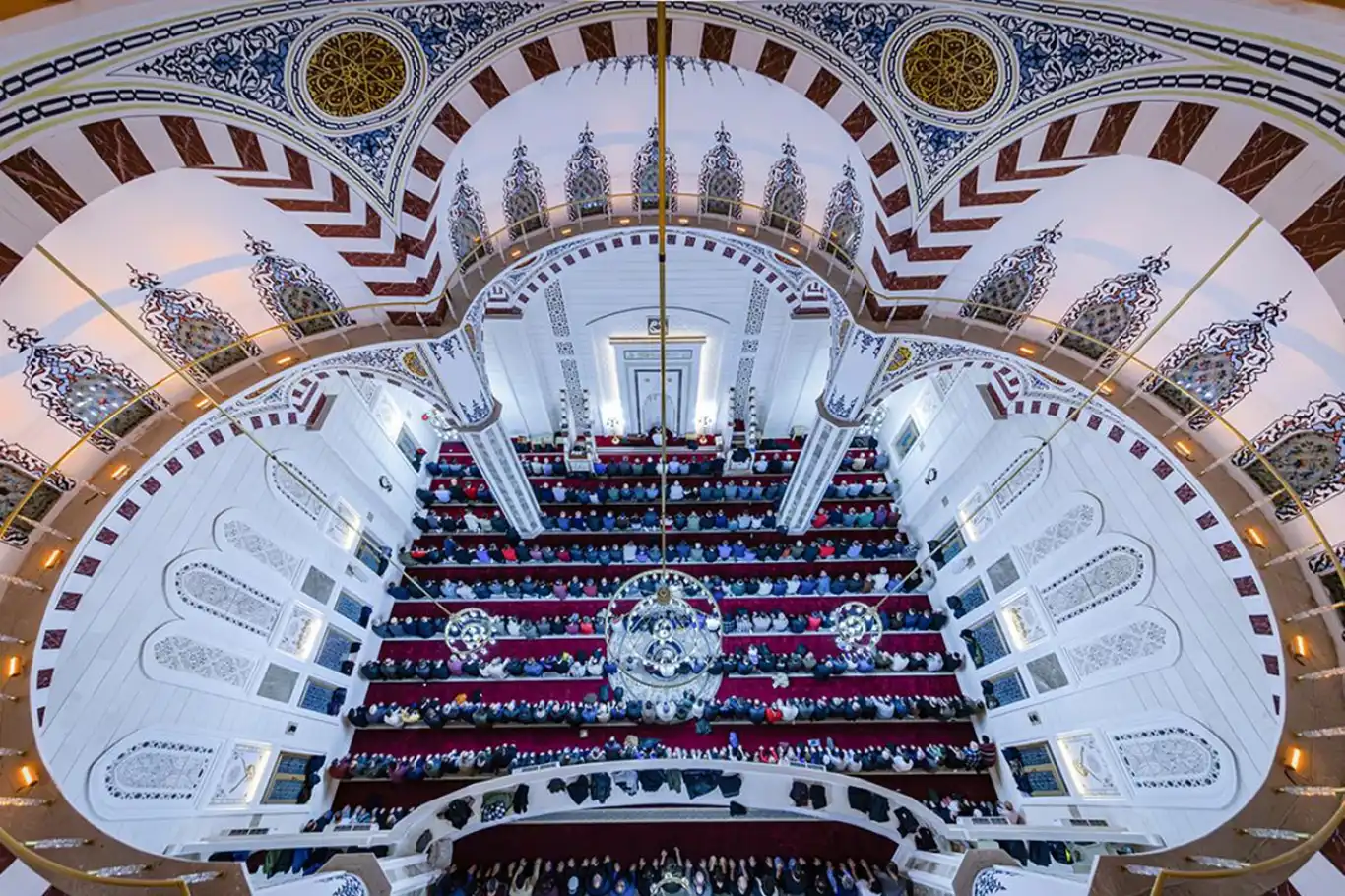
The Religious Affairs Directorate (Diyanet) of Türkiye released the official Friday sermon, delivered in mosques across the country, focusing on the central role of worship in achieving personal and societal peace.
Titled “People Attain Tranquility Through Worship,” the khutbah elaborated on the purpose of human existence and the comprehensive nature of Islamic worship, connecting spiritual practice to everyday social responsibility.
The khutbah began by reminding worshippers that every creation has been brought into existence with a divine purpose. Human beings, it emphasized, hold a privileged place in the universe due to their intellect and free will. Citing the Qur’anic verse, “Do people think they will be left without purpose?” the sermon underlined that life gains meaning through fulfilling the responsibilities Allah has assigned.
Worship as a Source of Peace and Moral Guidance
Diyanet stressed that worship is far more than a set of rituals; it is a sincere submission to Allah’s commands, a gesture of gratitude for divine blessings, and a practical expression of faith. Worship, the sermon stated, functions as a spiritual shield that safeguards believers from moral decay and harmful behaviors.
Prayer, zakat, fasting, and hajj were presented as acts that not only enrich personal faith but also strengthen social solidarity. The khutbah warned that performing ritual acts without embodying their values—such as honesty, justice, humility, generosity, and compassion—weakens their transformative power.
Moral and Social Dimensions of Worship
In its explanation of how worship shapes society, the sermon articulated that each pillar of Islam carries a profound social dimension: prayer serves as a barrier against immorality and wrongdoing, yet it demands sincere intention beyond mere outward performance; zakat functions to purify wealth and nurture systemic generosity, continually reminding Muslims of their duty toward the poor and vulnerable; Hajj powerfully reinforces the principle of human equality and underscores themes of unity, divine wisdom, and ultimate accountability before Allah; and fasting cultivates patience and self-discipline, but loses its spiritual essence if accompanied by persistent lying, gossip, or harm to others.
Believers were urged to reflect deeply on whether their acts of worship truly influence their behavior, especially toward family, neighbors, and society.
Everyday Actions as Worship
The khutbah expanded the definition of worship to include daily deeds carried out with sincerity and goodness. Treating family members with kindness, caring for orphans and those in need, working earnestly, earning halal income, and contributing to the welfare of the country and humanity were all described as forms of worship.
Even simple acts—like removing an obstacle from a path to prevent harm—were emphasized as examples of small but meaningful good deeds beloved by Allah.
Cultivating Lifelong Worship and Teaching Future Generations
Diyanet noted that a life devoid of worship is unthinkable for a Muslim, calling worship the “greatest gain” through which believers seek Allah’s love and pleasure. Quoting the Prophet Muhammad (peace be upon him), “The most beloved deeds to Allah are those that are consistent, even if small,” the sermon encouraged cultivating steady, lifelong acts of devotion.
Teaching children to worship with gentleness and encouragement, it added, is among the most valuable inheritances parents can leave.
The sermon concluded with a prophetic supplication recited in mosques nationwide: “O Allah! Help me to remember You, to give thanks to You, and to worship You in the best manner!” (ILKHA)
LEGAL WARNING: All rights of the published news, photos and videos are reserved by İlke Haber Ajansı Basın Yayın San. Trade A.Ş. Under no circumstances can all or part of the news, photos and videos be used without a written contract or subscription.
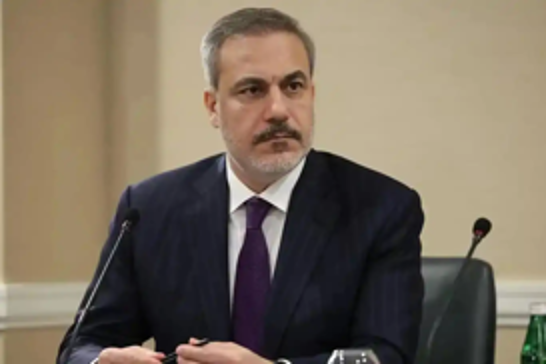
Turkish Foreign Minister Hakan Fidan will travel to Qatar this week to participate in the high-level 23rd Doha Forum, a major diplomatic gathering hosted by the Qatari Ministry of Foreign Affairs.
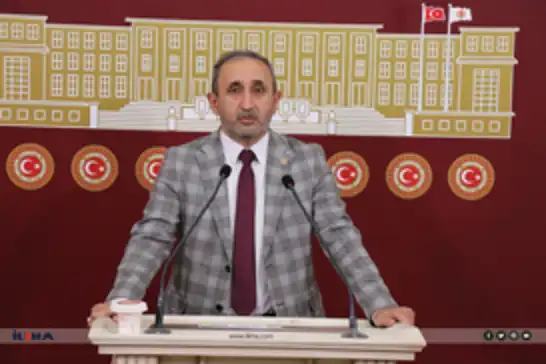
HÜDA PAR Deputy Chairman and Gaziantep MP Şahzade Demir delivered a powerful warning during a press conference at the Turkish Grand National Assembly, saying Lebanon is being deliberately isolated while the Israeli regime escalates its aggression across the region.

The Youth Branch of the Free Cause Party (HÜDA PAR) is set to host a panel titled “Combating Addiction” on Sunday, December 7, bringing together experts, civil society organizations, and political party representatives to discuss the rising challenge of drug addiction.