Türkiye, Syria agree to establish High-Level Coordination Council to deepen strategic cooperation
 13 oC
13 oC 
Güneşli

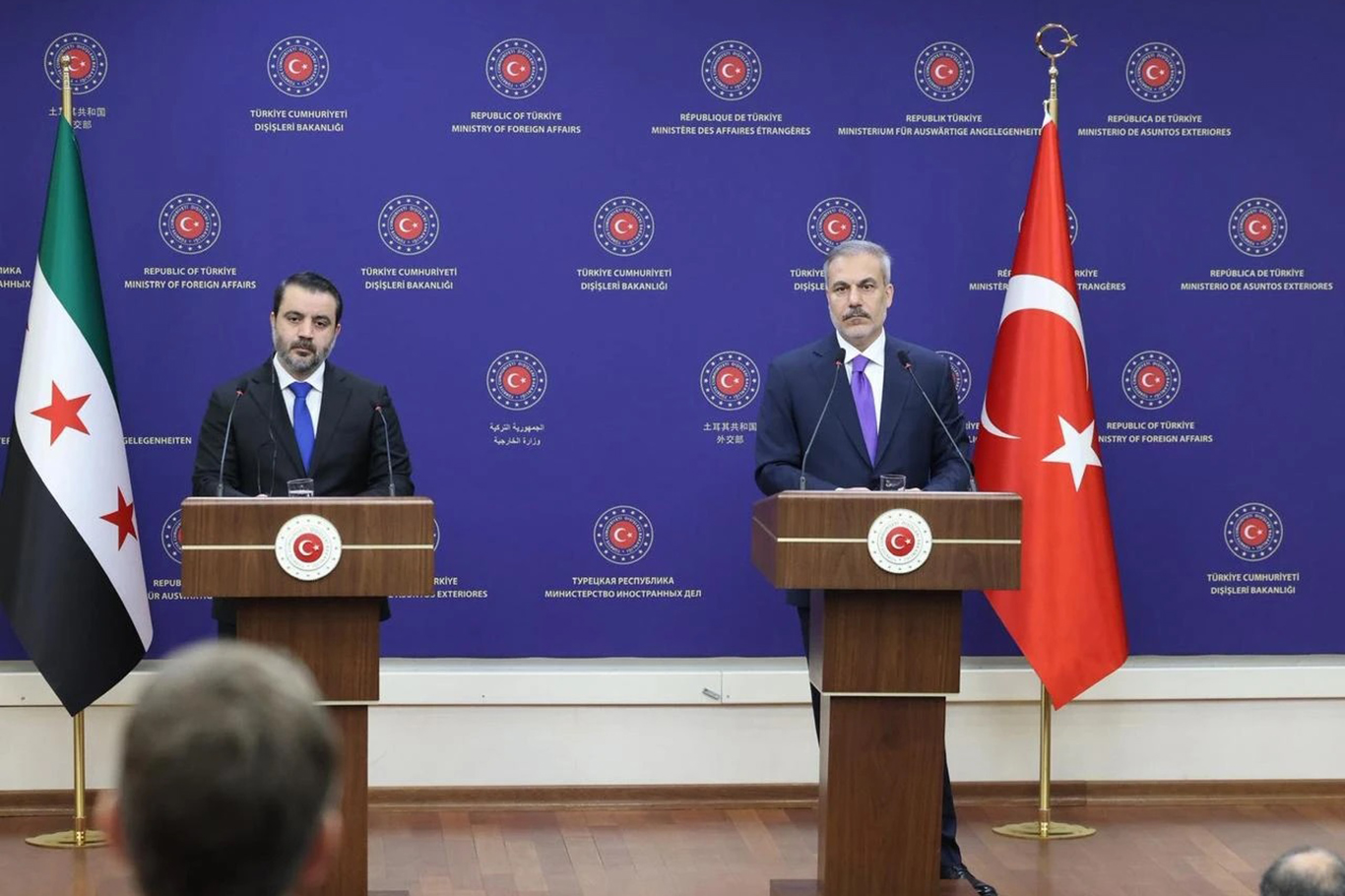
Ankara and Damascus agreed on Thursday to establish a High-Level Coordination Council, marking a significant step toward strengthening bilateral relations as the two neighboring countries seek to expand cooperation in politics, trade, infrastructure, security, and regional connectivity.
The agreement was reached during high-level talks in Ankara between Turkish Foreign Minister Hakan Fidan and Syrian Foreign Minister Asaad Hassan al-Shaibani, who discussed a broad agenda aimed at advancing cooperation and coordinating on key regional issues.
Following the meeting, the two ministers held a joint press conference, outlining a shared vision for enhancing political dialogue, boosting economic ties, and promoting regional stability.
Al-Shaibani said the newly established High-Level Coordination Council would serve as a platform for institutionalizing cooperation between the two countries and accelerating joint initiatives across multiple sectors.
He noted that both sides had placed political and economic cooperation at the forefront of their discussions, including efforts to reactivate bilateral economic and trade agreements that had remained inactive for years.
The Syrian foreign minister also highlighted recent coordination between the central banks of Syria and Türkiye, describing it as an important foundation for a new phase of economic cooperation aimed at facilitating trade, investment, and financial coordination.
A key focus of the discussions was enhancing regional connectivity through major infrastructure projects.
The two sides agreed to accelerate efforts to activate the Four Seas Committee, a regional initiative designed to strengthen economic integration and transportation links among countries in the region.
Officials also reviewed plans to advance railway projects connecting Syria with Türkiye as well as with Saudi Arabia and Jordan, with al-Shaibani describing Syria as the shortest and most efficient land corridor linking regional and international trade routes.
Fidan said Ankara is working to expand bilateral trade, increase the number of border crossings, improve banking cooperation, modernize transportation infrastructure, and support Syria's reconstruction efforts.
He added that Türkiye is coordinating with Syria, Saudi Arabia, and Jordan to improve regional transport connectivity and facilitate cross-border commerce.
Security cooperation featured prominently during the talks.
Al-Shaibani said Syria and Türkiye view lasting stability and continued success in combating terrorism as the cornerstone of their partnership.
He reaffirmed Damascus' commitment to extending state authority throughout Syrian territory and eliminating the presence of armed groups operating outside the legal framework of the state.
"A unified Syria free of terrorism and militias represents the strongest guarantee for the security of our common borders," al-Shaibani said.
He also stressed the importance of strengthening regional security coordination, noting that Syria continues to face challenges posed by armed groups operating along its borders.
According to the Syrian foreign minister, both countries agreed to support initiatives led by Iraq and Lebanon aimed at reinforcing regional security and stability.
The meeting also addressed broader regional developments, including the situation in southern Syria.
Al-Shaibani said Damascus would continue diplomatic efforts to end what he described as repeated Israeli attacks on southern Syria, reaffirming his country's condemnation of actions targeting Syrian sovereignty and territorial integrity.
He also condemned any attacks directed against the Gulf states, saying the security and stability of Gulf countries are essential components of the region's overall security architecture.
For his part, Fidan reiterated Türkiye's commitment to supporting Syria during its reconstruction and recovery process while expanding cooperation across multiple sectors.
He emphasized that stronger collaboration in trade, infrastructure, banking, transportation, and counterterrorism would contribute to both Syria's stability and broader regional security.
The Turkish foreign minister also reiterated Ankara's call for respect for Syria's sovereignty and territorial integrity, stressing the need to end Israeli military actions targeting Syrian territory.
The establishment of the High-Level Coordination Council reflects the continued normalization of relations between Ankara and Damascus after years of limited diplomatic engagement.
Observers say the new mechanism is expected to facilitate regular high-level consultations, coordinate economic and infrastructure projects, enhance border security cooperation, and strengthen political dialogue as both countries seek to address shared regional challenges and promote long-term stability.
The agreement also underscores the growing emphasis both governments are placing on regional economic integration, improved transportation networks, and closer coordination on security issues as part of a broader effort to deepen bilateral relations and foster greater cooperation across the Middle East. (ILKHA)
LEGAL WARNING: All rights of the published news, photos and videos are reserved by İlke Haber Ajansı Basın Yayın San. Trade A.Ş. Under no circumstances can all or part of the news, photos and videos be used without a written contract or subscription.
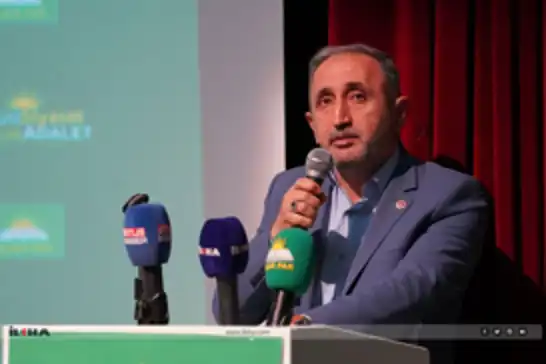
HÜDA PAR Deputy Chairman and Gaziantep MP Şahzade Demir has called for economic reforms, a constitutional resolution to the Kurdish issue and continued support for Palestinians in Gaza.
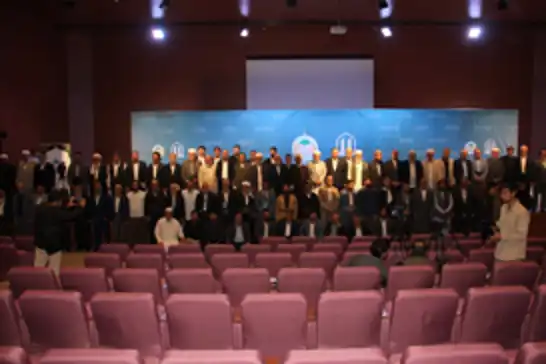
A gathering of Islamic scholars in Diyarbakır has called for greater unity among Muslims, stronger religious guidance for young people and a global campaign for the liberation of Al-Quds (Jerusalem) and other oppressed lands.
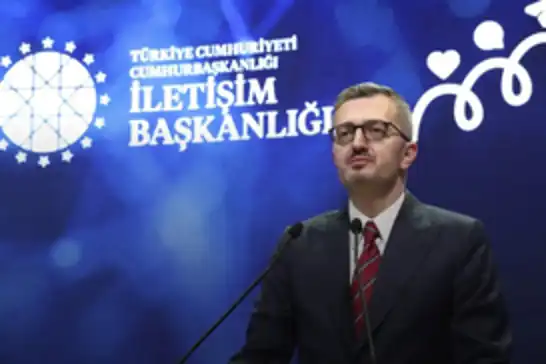
Türkiye’s Communications Director Burhanettin Duran condemned remarks by Israeli Defence Minister Israel Katz targeting President Recep Tayyip Erdoğan and Türkiye, describing them as a sign of political desperation ahead of Israel’s upcoming elections.
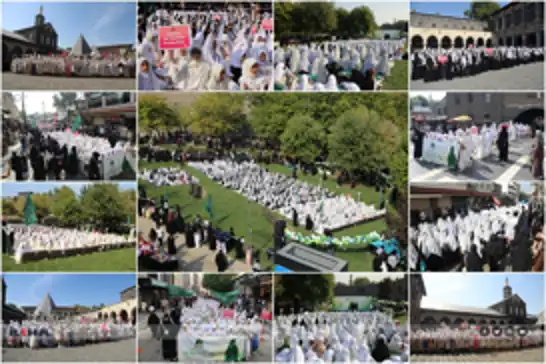
Hundreds of girls and children who have begun wearing the hijab, accompanied by their families, attended a program organized by the Prophet Lovers Foundation (Peygamber Sevdalıları Vakfı) in Diyarbakır to mark their commitment to Islamic dress.