Türkiye moves to ratify Mecca Joint Defence Agreement with Saudi Arabia and Pakistan
 13 oC

Güneşli

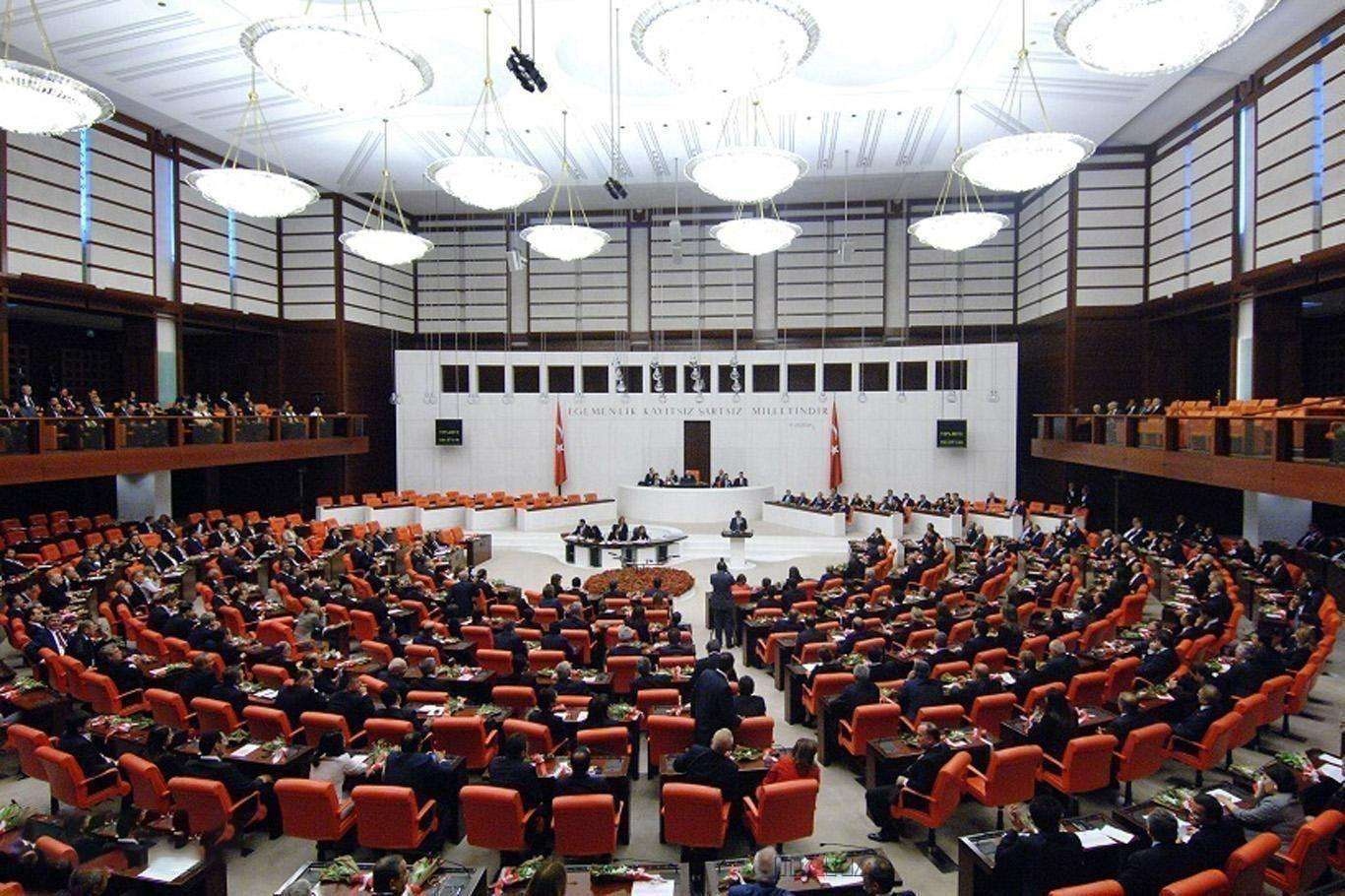
Türkiye has formally submitted the bill approving the Mecca Joint Defence Agreement signed with Saudi Arabia and Pakistan to the Grand National Assembly of Türkiye (TBMM), marking the next step toward ratifying a trilateral security pact aimed at strengthening military and strategic cooperation among the three countries.
The draft law was presented to the Speaker's Office of Parliament and is expected to be referred to the Foreign Affairs Committee before proceeding to the parliamentary approval process.
The agreement, signed in Mecca on 7 August by President Recep Tayyip Erdoğan, Saudi Crown Prince Mohammed bin Salman and Pakistani Prime Minister Shehbaz Sharif, seeks to establish a permanent framework for defence, security and strategic cooperation among the three countries.
Communications Director Burhanettin Duran described the agreement as "a manifestation of a shared will that prioritises security and solidarity," expressing hope that the parliamentary ratification process would benefit Türkiye and its two partner countries.
Key provisions of the agreement
The 16-article agreement commits the three countries to protect one another's independence, sovereignty and internationally recognised borders through closer political, military and security cooperation.
Among its principal provisions are a collective defence clause requiring immediate assistance to a member subjected to armed attack, expanded cooperation in defence industries, intelligence sharing, counterterrorism operations, joint military exercises, personnel exchanges and logistical support during both peacetime and conflict.
Additional articles provide for the protection of classified information, peaceful settlement of disputes through consultation, respect for each member's existing international obligations, and amendments only by unanimous consent. The agreement will enter into force after all three countries complete their domestic ratification procedures.
New institutional framework
The agreement establishes a Strategic Political and Defence Committee comprising the foreign ministers, defence ministers and chiefs of general staff of the three countries.
The committee will meet twice a year and oversee the implementation of the agreement through a permanent secretariat to be based in Saudi Arabia. The first Secretary-General of the organisation will be a Pakistani national, reflecting the rotational institutional arrangements agreed by the three signatories.
The pact also includes provisions covering secure intelligence exchanges, logistical cooperation in both peacetime and wartime, protection of classified information, peaceful settlement of disputes and procedures for amending the agreement through unanimous consent.
Defence pact not directed against any country
Turkish officials have stressed that the agreement is a defensive alliance intended to strengthen regional security and collective deterrence rather than target any specific country.
Officials have also underlined that the agreement does not authorise the automatic deployment of Turkish troops abroad and that any such decision would continue to require approval by the Turkish parliament in accordance with the country's constitutional procedures.
Background to the agreement
Signed in Mecca on 7 August, the agreement is intended to institutionalise long-term strategic cooperation between Türkiye, Saudi Arabia and Pakistan by creating a permanent framework for defence coordination, joint planning and collective security.
Turkish officials have stressed that the pact is defensive in nature and is not directed against any third country. They have also noted that any deployment of Turkish troops abroad would continue to require separate parliamentary approval under Türkiye's Constitution.(ILKHA)
LEGAL WARNING: All rights of the published news, photos and videos are reserved by İlke Haber Ajansı Basın Yayın San. Trade A.Ş. Under no circumstances can all or part of the news, photos and videos be used without a written contract or subscription.

Hybrid threats and the European Union's security preparedness will be among the key issues discussed when EU leaders meet in Brussels on 15–16 October, amid growing concerns over attacks targeting critical infrastructure and border security.
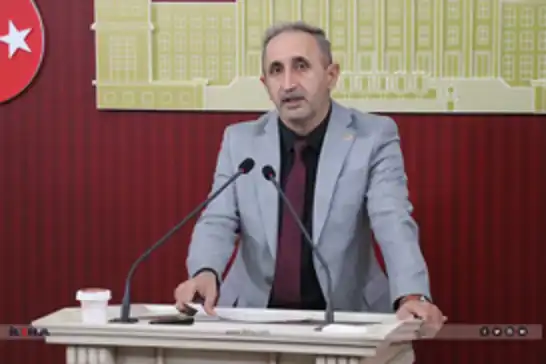
HÜDA PAR Deputy Chairman and Gaziantep MP Şahzade Demir said the masterminds behind the October 6-8, 2014 violence and networks that enabled the bloodshed were never fully brought to light, arguing that the judicial process largely focused on those who carried out the attacks on the streets.
Foreign Minister Hakan Fidan attended the Informal Meeting of the Council of Foreign Ministers of the Organization of Turkic States (OTS) on the sidelines of the 81st session of the United Nations General Assembly in New York.