EU plans new restrictions on children's social media access, von der Leyen says
 13 oC
13 oC 
Güneşli

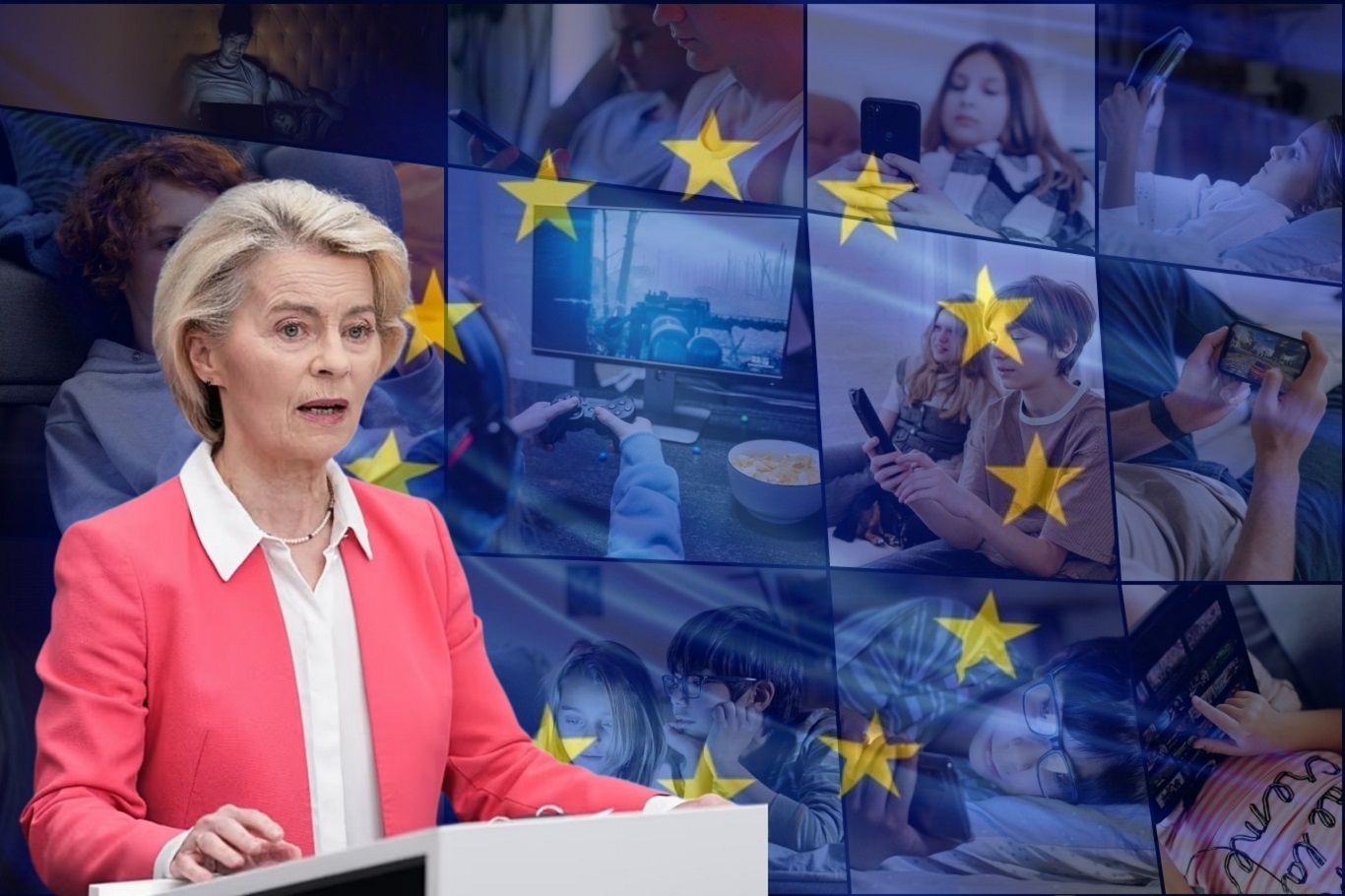
The European Union is preparing new measures to limit young children's access to social media platforms across its 27 member states, European Commission President Ursula von der Leyen announced on Monday, describing online child safety as one of the most pressing challenges facing governments.
Speaking after receiving a report from a panel of experts, von der Leyen said the European Commission would examine recommendations calling for a phased approach to children's use of social media and present legislative proposals after the summer.
Tiered Access Based on Age
The expert panel recommended a tiered system under which children under the age of 13 would only be permitted to access social media for limited periods under the supervision of parents, caregivers, or teachers.
The proposed restrictions would gradually ease as children grow older, providing age-appropriate access while aiming to reduce exposure to harmful online content and addictive platform features.
Von der Leyen said the recommendations provide the evidence needed to shape a new European approach to protecting children online.
"We in Europe believe that parents bring up our kids, and not predatory algorithms," she said.
Growing Concern Over Online Harms
The Commission president argued that current online environments expose children to significant psychological and emotional risks.
Citing European data, she said young people now spend between four and six hours each day using screens, amounting to nearly 20 years of screen time over the course of their lives.
She also noted that nearly 60 percent of young children across Europe have experienced emotional or psychosocial problems linked to online activity, including cyberbullying, harmful content, anxiety, depression, and sleep disorders.
According to von der Leyen, these challenges are occurring during a critical stage of brain development, making stronger safeguards necessary.
Platforms Must Be Held Accountable
Von der Leyen stressed that technology companies bear responsibility for ensuring their products are safe for children.
Drawing comparisons with automobile manufacturers, she said companies should build safety into their platforms rather than placing the burden solely on parents and children.
She highlighted the EU's Digital Services Act (DSA), which requires major online platforms to remove harmful features, including addictive algorithms, manipulative interface designs, inappropriate content, and unwanted contacts.
The Commission has already launched enforcement actions against several major technology companies, including TikTok and Meta, under the legislation.
"The platforms have a duty of care to their users, especially to their most vulnerable users," von der Leyen said.
Age Verification and "Social Media Start Date"
The Commission also intends to expand the use of age-verification technology to help ensure that children access online platforms only when appropriate.
Von der Leyen said the EU's age verification application is designed to be privacy-preserving, open source, and easy for families to use.
She argued that Europe should consider establishing a legal minimum age for access to social media, comparing it to existing age restrictions governing driving and alcohol consumption.
"The question is no longer if children face risks online, but what we can do to give children a safer start online," she said.
Recommendations for Younger Children
Among the recommendations highlighted by von der Leyen, experts advise that children under the age of three should have no exposure to screens or digital platforms.
They also recommend that older children only use social media under adult supervision and for limited periods to allow sufficient time for face-to-face interaction, play, and healthy social development.
According to von der Leyen, childhood should be protected from excessive digital influence while children's identities and personalities are still developing.
Legislative Proposal Expected
The European Commission said it will now review the expert panel's report and consult with member states before presenting formal legislative proposals after the summer.
The initiative is expected to become one of the EU's most comprehensive efforts to strengthen online protections for children by introducing age-based access rules, enhanced platform accountability, and stricter safeguards against harmful digital content. (ILKHA)
LEGAL WARNING: All rights of the published news, photos and videos are reserved by İlke Haber Ajansı Basın Yayın San. Trade A.Ş. Under no circumstances can all or part of the news, photos and videos be used without a written contract or subscription.

Apple has filed a federal lawsuit against OpenAI, accusing the artificial intelligence company of systematically acquiring the tech giant's confidential information by recruiting former Apple employees and exploiting their access to proprietary product development data.
Apple has lost a major legal challenge against the European Union's landmark Digital Markets Act (DMA), with the EU's General Court upholding the company's designation as a "gatekeeper" for its App Store and iOS operating system, reinforcing the bloc's efforts to curb the market power of major technology firms.

Microsoft has announced a new round of layoffs affecting approximately 4,800 employees, or about 2.1% of its global workforce, as the technology giant moves to streamline operations and adapt to rapid changes across the technology and gaming sectors.