Srebrenica: The genocide committed in the heart of Europe
 13 oC
13 oC 
Güneşli

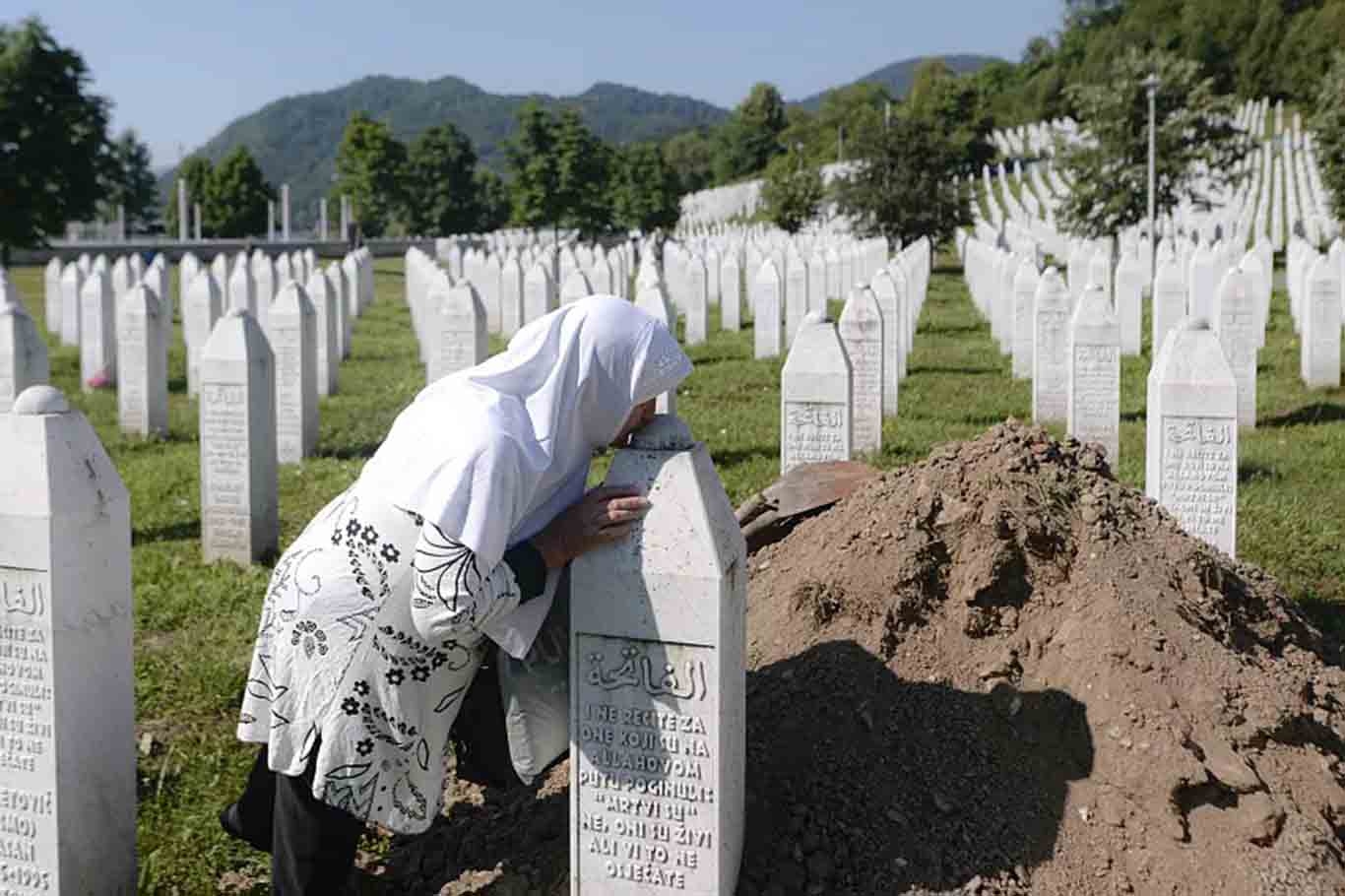
More than three decades have passed since the Srebrenica genocide, yet the tragedy remains one of the darkest chapters in modern European history. The massacre of more than 8,000 Bosniak Muslim men and boys in July 1995 was not simply another wartime atrocity—it was a genocide that unfolded in the heart of Europe despite the presence of the international community.
The events in Srebrenica continue to symbolize the devastating consequences of ethnic hatred, systematic violence and international inaction. They also remain a defining test of the world's commitment to protecting civilians from mass atrocities.
From Yugoslavia's collapse to ethnic cleansing
The roots of the genocide date back to the violent breakup of the former Yugoslavia in the early 1990s. Following Bosnia and Herzegovina's declaration of independence in 1992, war erupted among Bosniaks, Bosnian Serbs and Bosnian Croats.
As the conflict intensified, Bosnian Serb forces launched a campaign to establish ethnically homogeneous territories. Entire Bosniak communities were expelled from their homes through systematic violence, forced displacement, arbitrary detention and mass killings. International courts later concluded that these operations formed part of a broader policy of ethnic cleansing across eastern Bosnia.
Thousands of displaced Bosniaks fled to Srebrenica, hoping the enclave would provide safety from the advancing Bosnian Serb forces. The town soon became severely overcrowded as civilians arrived from surrounding villages seeking refuge.
A UN "safe area" abandoned
Recognizing the worsening humanitarian crisis, the United Nations Security Council adopted Resolution 819 in April 1993, declaring Srebrenica a "safe area" under UN protection.
Dutch peacekeepers serving under the United Nations Protection Force (UNPROFOR), known as Dutchbat, were deployed to protect the enclave. However, the mission was constrained by limited manpower, light weaponry and restrictive rules of engagement. Humanitarian supplies gradually diminished while the enclave remained surrounded by Bosnian Serb forces.
Although Srebrenica carried the status of a UN-protected area, thousands of civilians trapped inside increasingly questioned whether the international community could actually guarantee their safety.
July 1995: The genocide unfolds
On July 11, 1995, Bosnian Serb forces commanded by General Ratko Mladić entered Srebrenica with little resistance.
Thousands of terrified civilians rushed toward the UN base in Potočari, believing the presence of international peacekeepers would protect them. Others attempted to flee through forests toward territory controlled by the Bosnian government.
Instead, women, children and elderly civilians were separated from men and boys. Over the following days, more than 8,000 Bosniak Muslim men and boys were systematically executed at schools, warehouses, factories, fields and other locations around Srebrenica.
Many victims were blindfolded before being shot. To conceal the scale of the massacre, perpetrators buried the bodies in mass graves before later excavating and relocating them to secondary and tertiary burial sites using heavy machinery. The deliberate destruction of evidence significantly complicated efforts to identify victims and prosecute those responsible.
Recognized as genocide
The crimes committed in Srebrenica were later recognized as genocide by both the International Criminal Tribunal for the former Yugoslavia (ICTY) and the International Court of Justice (ICJ).
The ICTY convicted Bosnian Serb military commander Ratko Mladić and political leader Radovan Karadžić of genocide, crimes against humanity and war crimes, concluding that the killings formed part of an organized plan to destroy a substantial part of the Bosniak Muslim population in eastern Bosnia.
Those rulings established one of the most significant legal precedents in modern international law and confirmed that Srebrenica was not merely a battlefield tragedy, but a deliberate campaign of extermination that unfolded in the heart of Europe.
The world's failure to act
Beyond the scale of the killings, one of the most painful aspects of Srebrenica remains the failure of the international community to prevent the genocide.
Despite repeated warnings from humanitarian organizations and UN officials that the enclave faced an imminent threat, no effective military intervention was launched to stop the Bosnian Serb advance. The inability of the United Nations to protect civilians inside an area it had itself designated as "safe" has since been widely regarded as one of the greatest failures in the history of UN peacekeeping.
Years later, successive UN reports acknowledged serious shortcomings in the international response, concluding that the organization had failed the people of Srebrenica. The tragedy also prompted fundamental debates over the responsibility of the international community to protect civilians from genocide, ethnic cleansing, war crimes and crimes against humanity.
Justice came, but too late
Although the genocide could not be prevented, international courts later sought to hold those responsible accountable.
The International Criminal Tribunal for the former Yugoslavia prosecuted dozens of political and military leaders involved in the Bosnian War. Ratko Mladić and Radovan Karadžić received life sentences after being convicted of genocide, crimes against humanity and war crimes.
Despite these convictions, justice arrived too late for thousands of victims and their families. More than three decades after the massacre, forensic teams continue to uncover mass graves, while DNA identification efforts are still helping families recover and bury the remains of missing relatives.
Every July 11, newly identified victims are laid to rest at the Srebrenica-Potočari Memorial Centre, where thousands of white gravestones stand as a permanent reminder of one of Europe's darkest crimes.
Remembering Srebrenica
International recognition of the genocide has continued to grow.
In May 2024, the United Nations General Assembly adopted a resolution proclaiming July 11 as the International Day of Reflection and Commemoration of the 1995 Genocide in Srebrenica. The resolution calls on member states to preserve the historical truth, promote education about the genocide and combat denial and glorification of convicted war criminals.
For survivors and victims' families, remembrance is not solely about commemorating the past. It is also about ensuring that future generations understand the consequences of hatred, intolerance and impunity.
From Srebrenica to today's humanitarian crises
The legacy of Srebrenica continues to shape global debates over the responsibility of the international community to protect civilians from mass atrocities.
Today, similar questions are being raised in relation to the humanitarian catastrophe in Gaza, where the high civilian death toll, widespread destruction and repeated warnings by the United Nations and humanitarian organizations have intensified calls for stronger international action. While every conflict has its own historical and legal context, Srebrenica remains a powerful reminder of the consequences of delayed responses when civilians are left without effective protection.
For many observers, the lesson of Srebrenica is that expressions of concern alone cannot save lives. When warnings are ignored and action comes too late, the cost is often measured in thousands of innocent civilians.
A warning that still echoes across generations
Srebrenica is not merely a chapter in the history of Bosnia and Herzegovina. It is a permanent warning about the dangers of hatred, ethnic violence and international indifference.
The genocide demonstrated that even in the heart of Europe, under the eyes of the international community and within a UN-declared safe area, thousands of civilians could still be systematically exterminated.
More than thirty years later, Srebrenica remains a lasting scar on Europe's conscience and on humanity's collective memory. Remembering the victims is not only an act of respect—it is a commitment to ensuring that such crimes are never allowed to happen again, whether in Europe, Gaza or anywhere else in the world. (ILKHA)
LEGAL WARNING: All rights of the published news, photos and videos are reserved by İlke Haber Ajansı Basın Yayın San. Trade A.Ş. Under no circumstances can all or part of the news, photos and videos be used without a written contract or subscription.
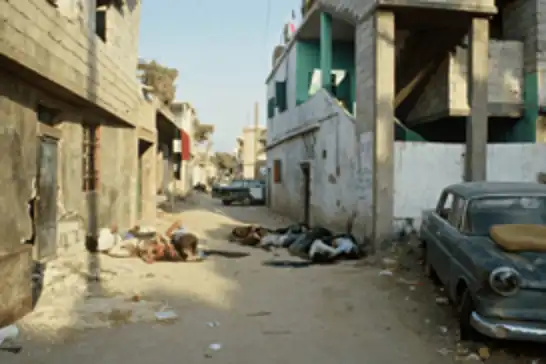
Forty-four years have passed since Sabra and Shatila became synonymous with one of the darkest chapters in the history of Palestinian refugees in Lebanon.
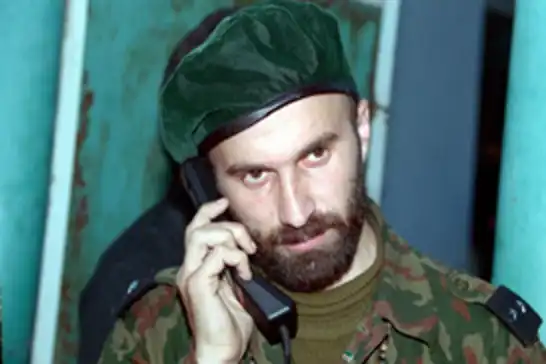
Today, the Chechen people and the broader Caucasian resistance community solemnly mark the 20th anniversary of the martyrdom of Shamil Basayev, one of the most prominent, courageous, and influential figures in modern Chechen history.
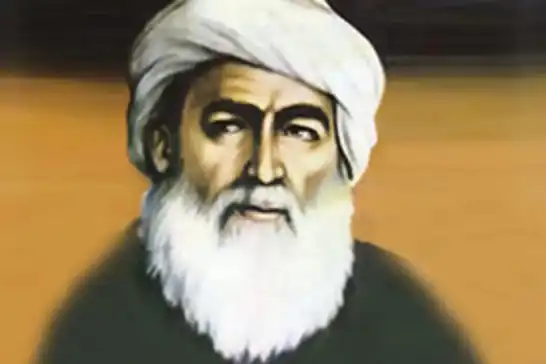
Today marks the 101st anniversary of the martyrdom of Sheikh Said and his companions, who led an uprising aimed at defending Islam, protecting religious institutions, and resisting policies that threatened the Islamic character of Anatolia.