Türkiye develops secure domestic AI ecosystem for public sector, communications chief says
 13 oC
13 oC 
Güneşli

Türkiye has established a secure, domestically developed, and publicly accessible artificial intelligence ecosystem within the Presidency's Directorate of Communications, marking what officials describe as a pioneering model for the use of AI in public administration.
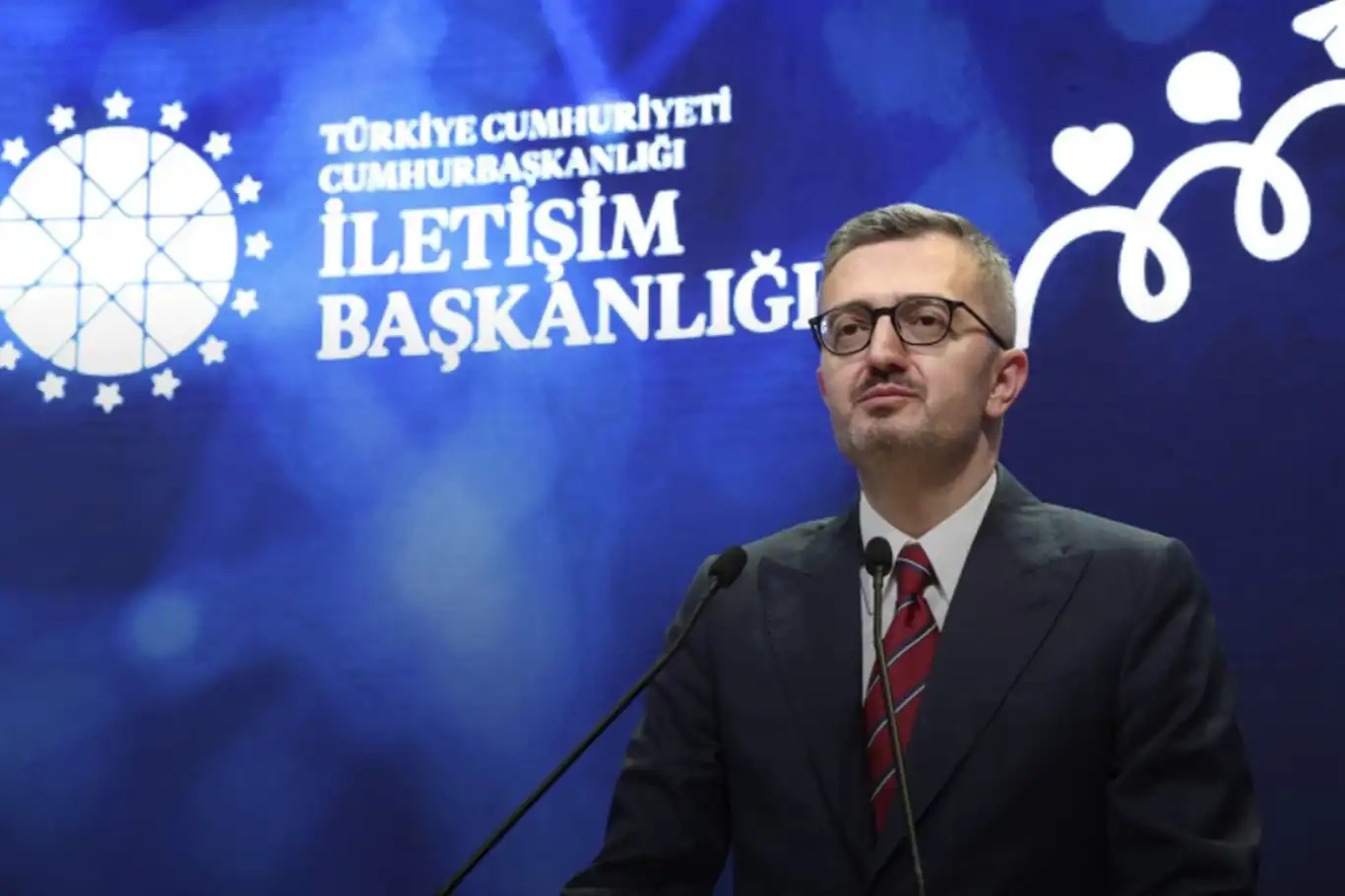
In a statement outlining the institution's digital transformation efforts, Head of Communications Burhanettin Duran said the initiative prioritizes data security, technological independence, institutional efficiency, and human-centred innovation.
Duran stated that the project aligns with the technology and digital transformation goals envisioned under President Recep Tayyip Erdoğan's "Century of Türkiye" vision, aiming to build a resilient ecosystem capable of producing its own infrastructure, safeguarding national data, and employing artificial intelligence for the public good.
According to Duran, the Directorate has developed an autonomous AI architecture powered by its own GPU servers and infrastructure, ensuring that institutional data remains within the organization and is protected from external exposure.
He also revealed that domestically deployed large language models (LLMs) and vision-language models (VLMs) have been implemented through air-gapped systems and institution-specific fine-tuning, allowing sensitive information to be processed securely.
Among the flagship initiatives introduced by the Directorate is "CibGPT," a closed-loop artificial intelligence platform designed exclusively for personnel use. Officials say the system enhances productivity while maintaining strict security standards.
The institution has also launched "İlgen," an AI-powered coding assistant intended to accelerate software development processes and improve operational efficiency.
Duran noted that, through the ULAK project, modern databases capable of natural language interaction with legacy systems have been established. The system enables users without technical expertise to communicate with older digital infrastructures through conversational interfaces.
In the field of media and communications, the Directorate has adopted VLM-based video generation technologies to facilitate scalable and multilingual content production. Artificial intelligence has also been integrated into international media monitoring operations to improve the speed and accuracy of risk assessments, crisis response, and agenda analysis.
The Directorate further expanded AI applications into citizen services by incorporating the technology into CİMER processes. According to Duran, AI systems now assist in classifying public applications and transforming large volumes of data into actionable insights.
Highlighting the institution's contribution to collaborative innovation, Duran said the Directorate had joined the open-source community by establishing an official presence on the Hugging Face platform and sharing selected datasets with developers and researchers.
He added that all institutional publications have been secured using blockchain technology, creating what he described as a transparent and immutable archive.
Beyond its own operations, the Directorate has sought to expand this transformation across the broader public sector by preparing integration guides aimed at helping other government institutions adopt similar AI practices.
"We are building the future through productive, transparent, secure, and human-centred artificial intelligence," Duran said, emphasizing that Türkiye's approach seeks to balance technological advancement with public trust, sovereignty, and institutional responsibility.
The initiative represents one of the most comprehensive efforts by a Turkish public institution to integrate domestically controlled artificial intelligence technologies into governance and public services, reflecting Ankara's broader ambitions to strengthen digital sovereignty and reduce dependence on foreign technological infrastructure. (ILKHA)
LEGAL WARNING: All rights of the published news, photos and videos are reserved by İlke Haber Ajansı Basın Yayın San. Trade A.Ş. Under no circumstances can all or part of the news, photos and videos be used without a written contract or subscription.

A new assessment published in the journal Nature has raised concerns that advances in artificial intelligence could lower barriers to the development of biological weapons, as AI-powered biotechnology tools become increasingly capable of designing and analyzing complex biological systems.
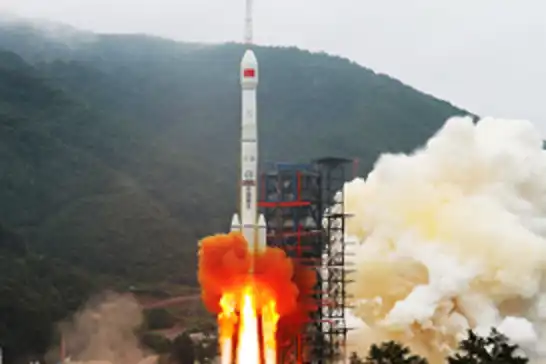
China launched a new communication test satellite on Thursday, marking a key step in the country’s efforts to advance next-generation orbital communication technologies.
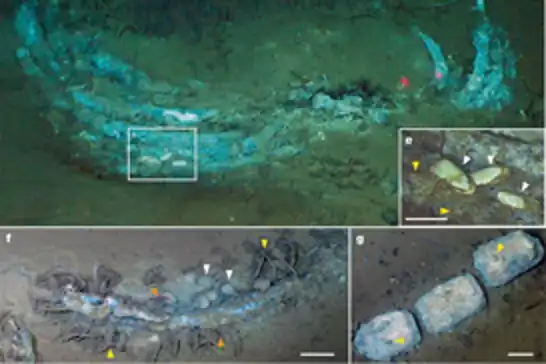
Scientists have discovered what is believed to be the world's deepest and largest collection of whale remains on the floor of the southeastern Indian Ocean, uncovering both ancient fossils and active whale-fall ecosystems that have existed for at least 5.3 million years.