Africa CDC convenes emergency ministers' meeting after Nigeria confirms first Ebola case
 13 oC

Güneşli

The Africa Centres for Disease Control and Prevention (Africa CDC) has convened an extraordinary virtual meeting of African health ministers for 28 October after Nigeria confirmed its first Ebola case, as the outbreak continues to spread across multiple regions of the continent and raises concerns over cross-border transmission.
Africa CDC Director-General Dr. Jean Kaseya said the emergency meeting aims to strengthen coordination among African countries and reinforce the continent's collective response to the rapidly evolving outbreak.
"Ebola is now affecting three regions of Africa. The situation demands urgent action and political leadership at the highest level," Kaseya said.
The meeting is expected to focus on strengthening cross-border surveillance, improving coordination among health authorities, mobilising resources for affected countries and enhancing preparedness across the continent as the outbreak continues to expand.
Nigeria launches contact tracing
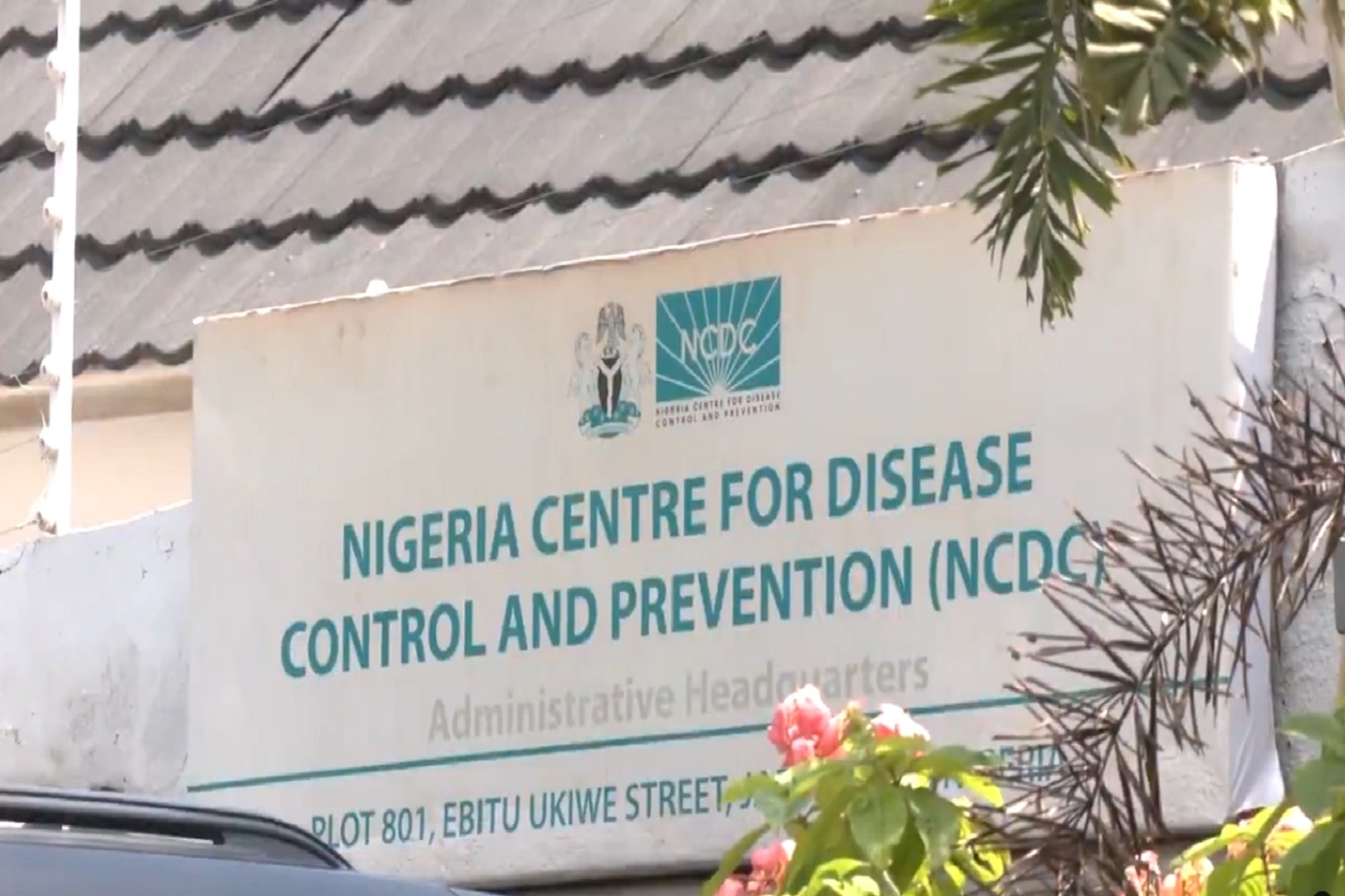
Nigerian authorities announced on Tuesday that the country's first confirmed Ebola case had been detected in the Federal Capital Territory (FCT), centred on Abuja.
Health officials said the patient, a foreign national who entered Nigeria on 5 October after travelling through Uganda, initially received treatment for suspected malaria before laboratory tests confirmed Ebola infection. The patient remains in isolation and is receiving medical care.
According to the Nigeria Centre for Disease Control (NCDC), 44 close contacts have been identified and placed under monitoring. Most are healthcare workers, while the patient's Swiss spouse is also among those being monitored. Nigerian authorities have intensified surveillance, infection-control measures and screening at ports of entry to prevent further transmission.
Uganda rejects claims linking outbreak
Nigerian officials said the patient had recently travelled through Uganda, prompting suggestions that the infection may have originated there.
Ugandan authorities, however, rejected those claims, noting that the country officially declared its Ebola outbreak over after recording 20 cases earlier this year and stressing that investigations into the source of the Nigerian case remain ongoing.
Kenya has also reported nine Ebola cases linked to the regional outbreak, while France has confirmed an imported case associated with the same epidemic.
DRC outbreak continues to worsen
The current outbreak was first detected in the Democratic Republic of the Congo (DRC) in May after circulating undetected for months.
According to the World Health Organization (WHO), more than 9,500 people have been infected and nearly half have died, making it the fastest-growing Ebola outbreak on record. Health officials say the epidemic remains particularly difficult to contain in parts of North Kivu, where insecurity, community transmission and challenges in contact tracing continue to hamper response efforts.
The outbreak is caused by the Bundibugyo strain of the Ebola virus, for which there is currently no approved vaccine or specific treatment, further complicating efforts to control its spread.
The WHO has urged all countries in the region to maintain a high level of preparedness, warning that the evolving outbreak requires sustained vigilance, rapid detection and close international cooperation to prevent further cross-border transmission.(ILKHA)
LEGAL WARNING: All rights of the published news, photos and videos are reserved by İlke Haber Ajansı Basın Yayın San. Trade A.Ş. Under no circumstances can all or part of the news, photos and videos be used without a written contract or subscription.
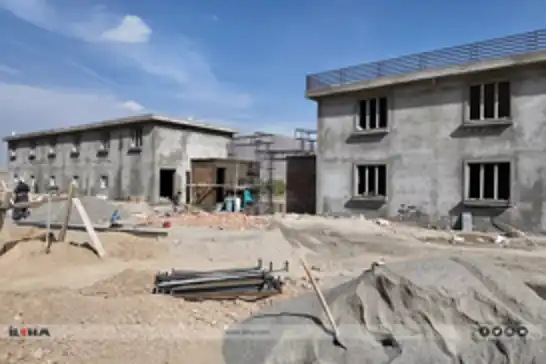
The Orphan Foundation has launched the third phase of construction of its Orphanage Complex Project in Afghanistan after completing the first two stages, while appealing for continued public support to help bring the project to completion.

One person was killed and eight others injured after an attack targeted King Fahd International Airport in the Saudi city of Dammam, according to the Kingdom's General Authority of Civil Aviation (GACA).

Iran’s Islamic Revolutionary Guard Corps (IRGC) Navy said seven vessels were hit by strikes or naval mines in the Persian Gulf and west of the Strait of Hormuz, as Tehran reaffirmed its determination to maintain control over the strategic waterway amid escalating confrontation with the United States.