Argentine unions brace for 24-hour general strike after Senate approves labour reform
 13 oC
13 oC 
Güneşli

Argentina’s main union federation, the Confederation of General Workers (CGT), is preparing to call a 24-hour nationwide general strike in response to the Senate’s recent approval of sweeping labour reform legislation advanced by far-right President Javier Milei. The move marks a major escalation in the escalating conflict between the government and organised labour over proposed changes critics say would erode fundamental worker protections.
The Senate last week voted 42-30 to pass a key labour reform bill that forms part of Milei’s broader pro-market agenda, designed to “modernise” Argentina’s heavily regulated labour market and stimulate investment and formal employment. The legislation now heads to the lower house for further debate before March 1, when the president is scheduled to open the 2026 ordinary legislative session.
In a statement, the CGT said it opposes the labour reform bill “in its entirety,” asserting that the legislation is “contrary to the National Constitution and international treaties with constitutional rank” and would be “harmful to workers and regressive.” The federation said it planned to hold an executive council meeting on Monday to formalise a call for a 24-hour general strike.
One of the most controversial elements of the proposed legislation is an amendment introduced by conservative lawmakers that would reduce wage payments during periods of sick leave unrelated to workplace injuries. According to union leaders, the reform would force workers to endure salary cuts of 50% or 75% precisely when they are most in need, imposing “additional financial hardship during medical recovery.”
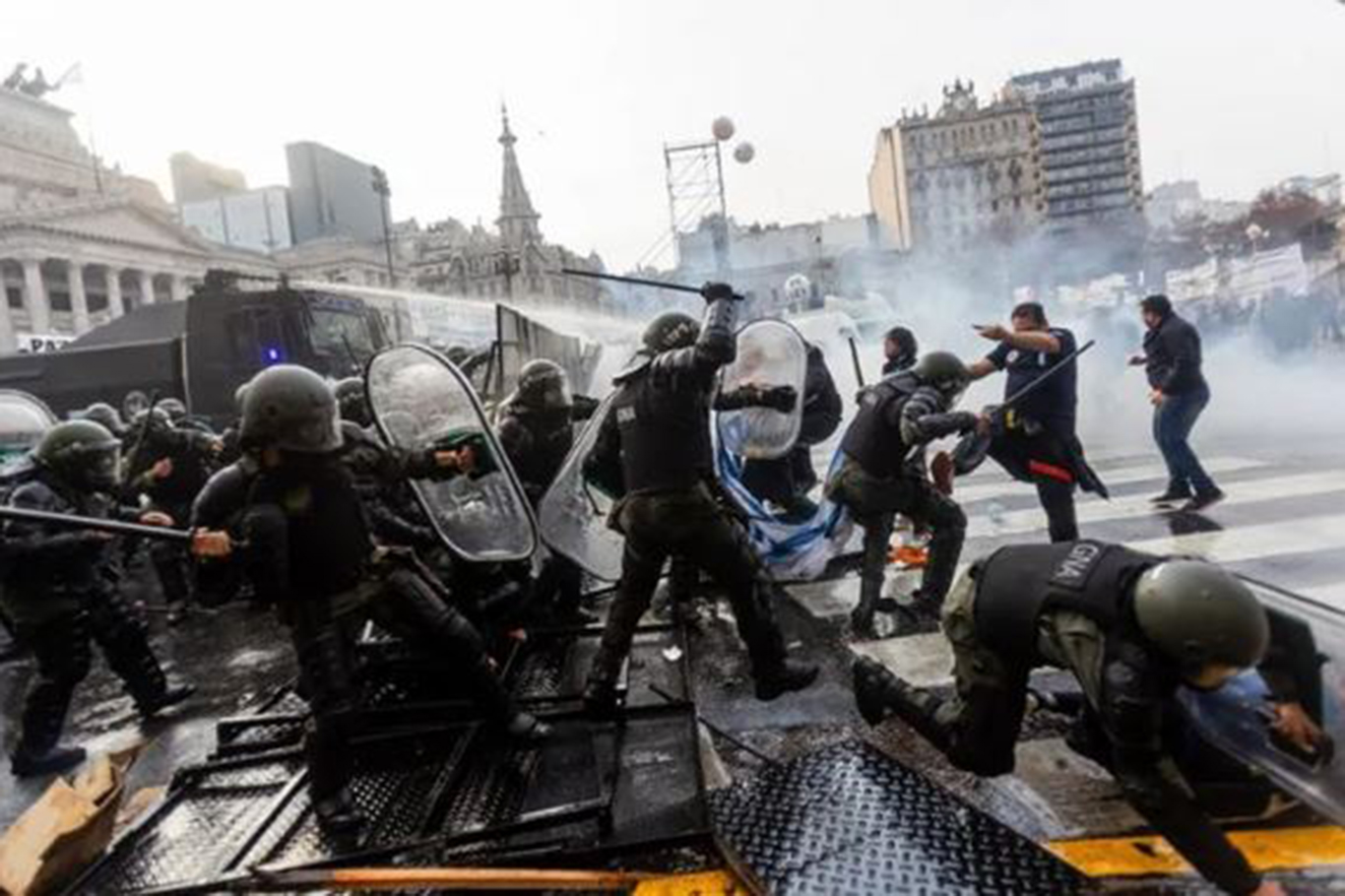
The protests and potential strike planning come amid already intense opposition on the streets and in labour strongholds across the country. Demonstrations erupted in Buenos Aires and other cities following the Senate vote, with reports of clashes between protesters and police and hundreds detained during protests against the reform.
The labour reform is part of President Milei’s broader economic transformation agenda, which supporters argue is necessary to reinvigorate Argentina’s stagnating economy, attract investment, and reduce chronic unemployment. However, powerful labour unions, left-wing parties, and social movements have argued that the reforms represent an attack on hard-won worker protections and could weaken collective bargaining, lengthen workdays, and restrict the right to strike.
Mass union mobilisation has a history in Argentina, where general strikes and large demonstrations have repeatedly challenged governments over labour policies and austerity measures. Recent weeks’ protests reflect deep public concern that the reform, if passed, will entrench inequality and reduce protections at a time of widespread social and economic pressure.
If the CGT formalises the strike call, the action could see major disruptions to transportation, public services, and economic activity, underscoring labour unions’ capacity to mobilise and contest the government’s policy direction.
The lower house is expected to debate the reform bill in the coming weeks, setting up a potentially defining clash between President Milei’s government and Argentina’s powerful labour movement. Unions are also calling for renewed collective bargaining negotiations, including wage increases tied to inflation and protections against layoffs and reductions in benefits.
Observers say the outcome could have significant political and social implications for Argentina, where labour politics have traditionally played a central role in national life. (ILKHA)
LEGAL WARNING: All rights of the published news, photos and videos are reserved by İlke Haber Ajansı Basın Yayın San. Trade A.Ş. Under no circumstances can all or part of the news, photos and videos be used without a written contract or subscription.
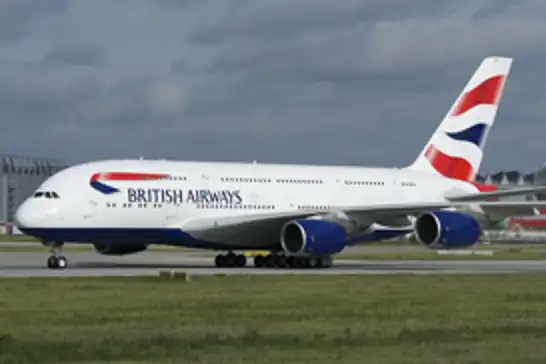
Flights were disrupted across parts of the United Kingdom on Monday after a technical problem at the National Air Traffic Services (NATS) control centre in Prestwick, Scotland, marking the second significant air traffic control failure to affect passengers in less than two weeks.
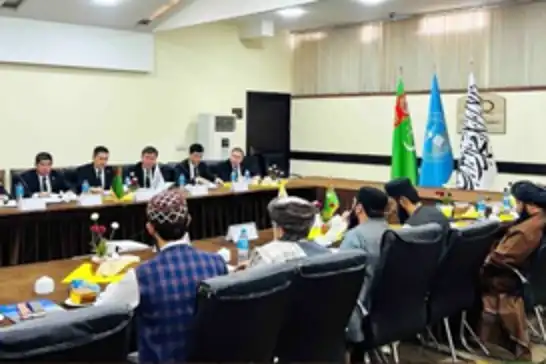
Delegations from Afghanistan and Turkmenistan held a two-day meeting in the western Afghan city of Herat to discuss ways to strengthen transit and transport cooperation between the two neighboring countries.

Two crew members were injured after a tanker transiting the Strait of Hormuz was struck by an unidentified object, the United Kingdom Maritime Trade Operations (UKMTO) said.
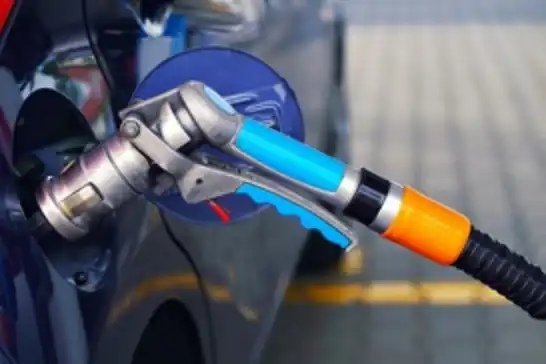
Fuel prices in Portugal have climbed to record highs despite government tax relief measures aimed at cushioning motorists from rising energy costs, local media reported.