At least 200 killed in coltan mine collapse in DR Congo

 13 oC
13 oC 
Güneşli

A landslide at a major coltan mining site in eastern Democratic Republic of Congo has killed at least 200 people, after several artisanal mines collapsed in an area controlled by the M23 rebel group.
Authorities warned that the death toll is expected to rise as search and recovery operations continue.
The incident occurred on Wednesday at the Rubaya mines in North Kivu province. Heavy rainfall triggered the collapse, according to Lumumba Kambere Muyisa, spokesperson for the rebel-appointed governor of the province.
“At this stage, more than 200 people are confirmed dead, and some bodies remain buried in the mud,” Muyisa said on Saturday.
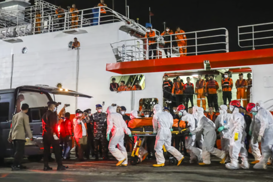
Several injured miners were taken to three health centers in Rubaya, while those in critical condition were to be transferred to Goma, the provincial capital about 50 kilometers (30 miles) away. Local medical sources said facilities in Rubaya are overwhelmed and lack adequate supplies to cope with the influx of patients.
Rescue efforts continued through the weekend but were slowed by unstable terrain, persistent rainfall, and the fragile, hand-dug mine tunnels. Officials said many miners were underground at the time of the collapse, raising fears that the number of casualties could increase.
In response, the rebel-appointed governor ordered an immediate suspension of artisanal mining at the site and instructed residents living near the mines to relocate. Authorities have also announced an initial assessment of mining conditions, though no date has been set for a possible resumption of operations.
Former miners say such accidents are common at Rubaya due to unsafe and unregulated practices.
“Mining is done without any safety standards,” said Clovis Mafare, who previously worked at the site. “Hundreds of miners can be working in a single pit, and because tunnels often run parallel, one collapse can trigger several others.”
Rubaya is located in eastern Congo’s mineral-rich region, which has endured decades of conflict involving government forces and multiple armed groups. The renewed offensive by the Rwanda-backed M23 rebels has further intensified fighting, worsening an already dire humanitarian situation.
The Democratic Republic of Congo is a key global supplier of coltan, a metallic ore used to extract tantalum, an essential component in smartphones, computers, medical equipment, and aircraft engines. The country accounted for around 40 percent of global coltan production in 2023, according to the U.S. Geological Survey, with more than 15 percent of the world’s tantalum coming from the Rubaya mines.
M23 fighters seized control of Rubaya and its mines in May 2024. A United Nations report has since found that the group taxes coltan production and transport, earning an estimated $800,000 per month.
Eastern Congo remains one of the world’s most severe humanitarian crises, with more than 7 million people displaced. Although Congo and Rwanda signed a U.S.-brokered peace agreement and talks with rebel groups are ongoing, fighting continues across several areas, regularly claiming civilian lives.
The deal between Kinshasa and Kigali also grants the United States and American companies increased access to critical minerals, highlighting the strategic importance of mining sites such as Rubaya — even as miners continue to work in hazardous and poorly regulated conditions. (ILKHA)
LEGAL WARNING: All rights of the published news, photos and videos are reserved by İlke Haber Ajansı Basın Yayın San. Trade A.Ş. Under no circumstances can all or part of the news, photos and videos be used without a written contract or subscription.

Nearly 1,000 people have been arrested across France during Saturday’s demonstrations over rising living costs and deteriorating education standards, Interior Minister Laurent Nunez said, warning that the figure was expected to increase.
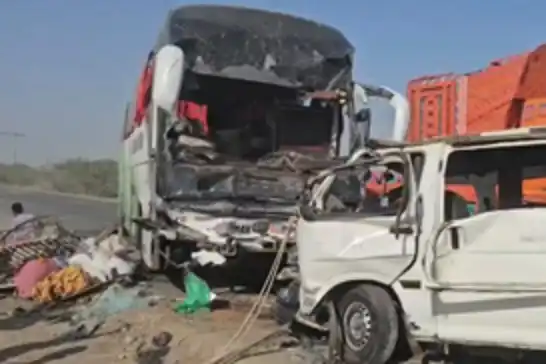
At least 12 people were killed and more than 20 others injured when a passenger coach collided head-on with a minibus in Pakistan’s southwestern Balochistan province on Friday, police said.
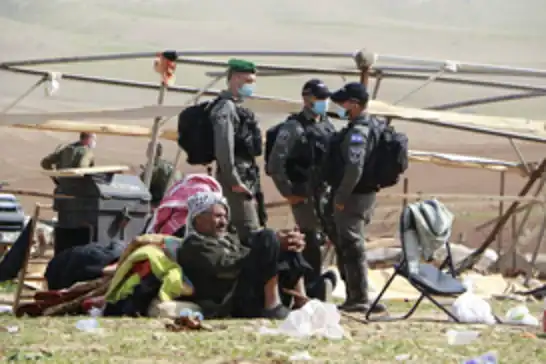
Israeli occupation forces began evacuating Palestinians from the al-Jalda area of Al-Khalil early Saturday as the military launched a multi-day operation involving mass deployments, movement restrictions, arrests and demolitions across the occupied West Bank.

A powerful earthquake struck waters off Vanuatu in the South Pacific on Saturday, prompting a tsunami warning for nearby coastal areas before the alert was lifted, according to seismic monitoring agencies.