Australia approves uranium exports to India, ending years-long deadlock
 13 oC
13 oC 
Güneşli

Australia has removed the final administrative obstacles to uranium exports to India, despite New Delhi not being a party to the Treaty on the Non-Proliferation of Nuclear Weapons (NPT).
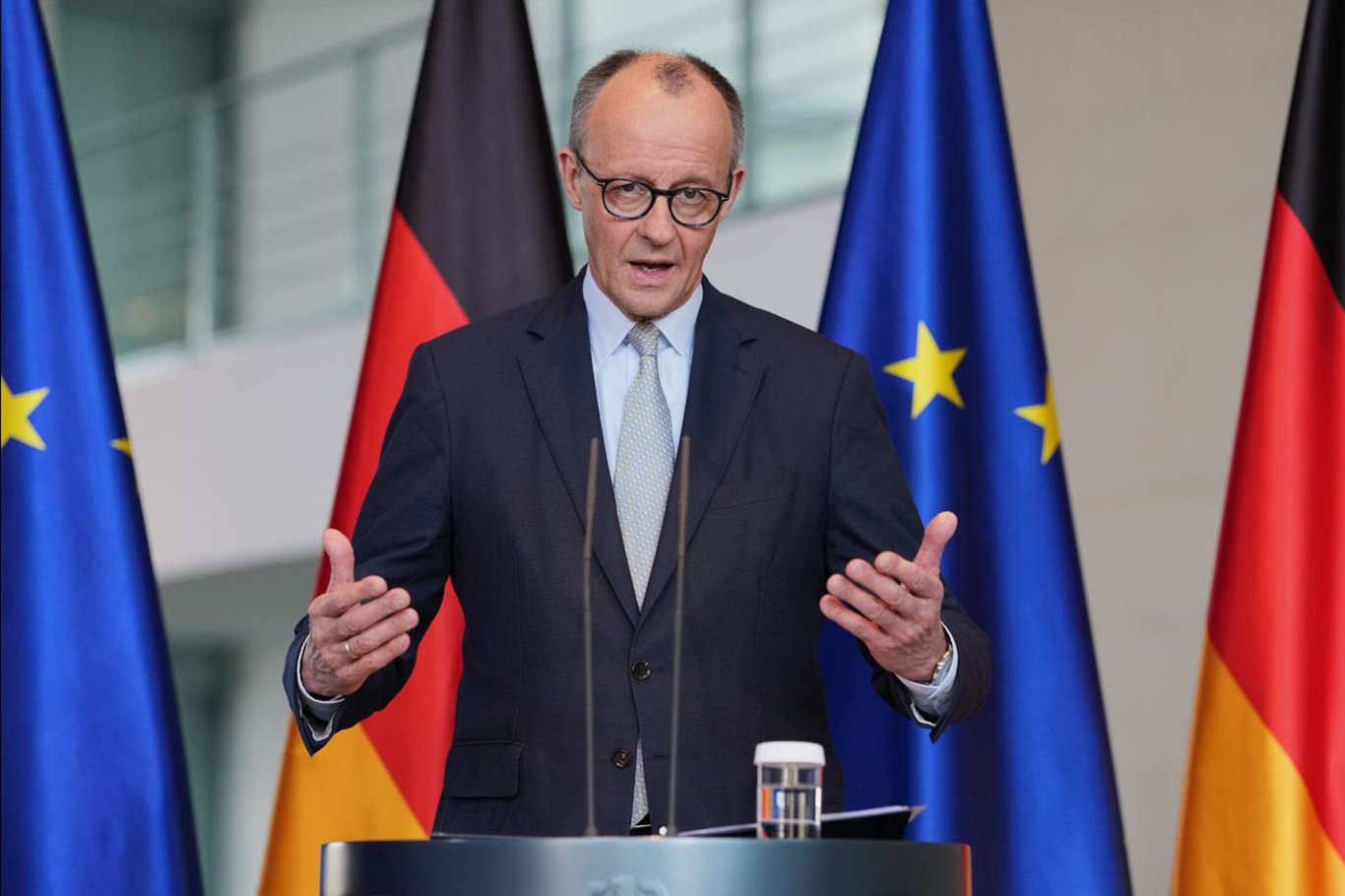
The move was formalized through an administrative agreement signed by Australian Prime Minister Anthony Albanese and Indian Prime Minister Narendra Modi in Melbourne, paving the way for uranium exports that had been delayed for years over nuclear proliferation concerns.
The two sides did not disclose how much uranium would be supplied or when shipments would begin.
Long-delayed agreement
Australia and India first signed a uranium export agreement in 2014, but its implementation was postponed because of international concerns that the material could potentially be diverted for military purposes.
Australia, which holds the world's largest known uranium reserves, exports all of its uranium while operating neither nuclear power plants nor possessing nuclear weapons.
India, meanwhile, aims to expand its nuclear power capacity to 100 gigawatts by 2047. Although the country has doubled its nuclear generating capacity over the past decade, nuclear energy still accounts for only about 3 percent of its electricity production.
NPT and international concerns
India remains one of the few nuclear-armed states outside the NPT. New Delhi has long rejected the treaty as discriminatory because it formally recognizes only the United States, Russia, China, the United Kingdom and France as nuclear-weapon states.
India's 1998 nuclear tests triggered international technology sanctions and restrictions on uranium trade. In 2008, however, the Nuclear Suppliers Group (NSG) granted India a waiver, allowing member states to engage in civilian nuclear trade with the country. India subsequently signed uranium supply agreements with several countries, including Canada.
Australia had maintained a long-standing policy of refusing uranium exports to countries outside the NPT. That policy was later eased on the condition that the International Atomic Energy Agency (IAEA) monitor India's civilian nuclear facilities separately from its military nuclear program. The latest administrative agreement removes the final procedural barriers to implementing that policy.
Australian authorities also stressed that uranium exports to India will remain subject to strict safeguards and IAEA verification to ensure the material is used exclusively for peaceful civilian purposes.
Broader strategic partnership
During their meeting, Albanese and Modi also agreed to strengthen cooperation in critical minerals, renewable energy, green hydrogen, resilient supply chains, and defense and security as part of their broader strategic partnership in the Indo-Pacific.
India is Australia's fifth-largest trading partner, with bilateral trade reaching approximately A$54.4 billion in the 2024-25 financial year, underscoring the growing economic importance of the relationship.
In a joint statement, the two leaders pledged to further expand their strategic partnership, although they did not take questions from reporters.
The decision is seen as a significant step in expanding India's uranium supply network at a time when international concerns over nuclear non-proliferation remain high. (ILKHA)
LEGAL WARNING: All rights of the published news, photos and videos are reserved by İlke Haber Ajansı Basın Yayın San. Trade A.Ş. Under no circumstances can all or part of the news, photos and videos be used without a written contract or subscription.
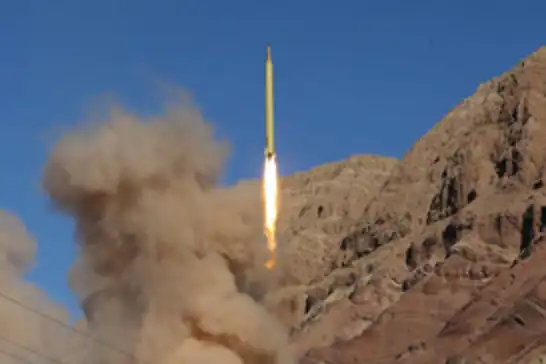
Iran launched what it described as a "swift and decisive" military response against the United States on Wednesday, targeting American military positions across the Persian Gulf with missiles and drones following what Tehran condemned as continued US aggression against the Islamic Republic.

A massive fire swept through a multi-storey shoe factory in southeastern China's Fujian Province on Thursday, leaving an unspecified number of casualties as firefighters raced to rescue workers trapped inside the burning building.
Front-line healthcare workers battling the Ebola outbreak in the Democratic Republic of Congo (DRC) have launched a strike over months of unpaid wages and allowances, raising fears that efforts to contain the deadly virus could be severely disrupted as infections continue to rise.