Unpaid health workers strike as Ebola outbreak worsens in DR Congo
 13 oC
13 oC 
Güneşli

Front-line healthcare workers battling the Ebola outbreak in the Democratic Republic of Congo (DRC) have launched a strike over months of unpaid wages and allowances, raising fears that efforts to contain the deadly virus could be severely disrupted as infections continue to rise.
The walkout is centered in Ituri Province, the region hardest hit by the current outbreak, where doctors, epidemiologists, laboratory technicians, burial teams, and community outreach workers say they have not received salaries or bonuses since the outbreak was declared on May 15.
Health workers also complained of inadequate protective equipment and poor working conditions, saying they have been left to confront one of the world's deadliest diseases without sufficient support.
"Since the Ebola virus disease outbreak was declared, we've been demanding payment for our work," Dr. Biensi Kano, a member of the epidemiological surveillance committee in Bunia, the capital of Ituri Province, told The Associated Press.
According to the latest figures released by Congolese health authorities, the outbreak has resulted in 1,708 confirmed cases, including 580 deaths, making its first month the deadliest initial phase of any Ebola outbreak recorded in the country.
The strike coincides with the launch of clinical trials evaluating treatments for the Bundibugyo strain of the Ebola virus, the variant responsible for the current outbreak.
WHO warns outbreak is spreading faster than response
The World Health Organization (WHO) has warned that the virus continues to spread rapidly, driven by population movements, insecurity, and increasing pressure on treatment facilities.
WHO Representative in the DRC Dr. Anne Ancia said several Ebola treatment centers are operating close to full capacity, underscoring the urgent need to maintain a fully functioning public health response.
Health workers argue that months without pay have left them unable to support their families while risking their lives on the front lines.
"The non-payment of benefits exposes us and our families to significant socio-economic difficulties and seriously undermines our living conditions," Kano said.
Over the weekend, front-line workers issued a formal notice to national and provincial authorities demanding payment within 24 hours. When no payments arrived, many workers suspended their duties.
Protest highlights growing frustration
The industrial action has affected a broad range of response teams, including contact tracers, security personnel, community educators, and specialized burial teams responsible for safely handling victims of Ebola.
On Monday, dozens of workers staged a protest outside the Rwampara Ebola Treatment Center in Bunia, burning tires and briefly disrupting activity before police intervened.
Congolese authorities acknowledged the payment delays but attributed part of the problem to logistical challenges.
Akilimali Pierre, incident manager at the National Institute of Public Health, said the temporary closure of Bunia Airport had complicated the transfer of operational funds to the response teams.
Officials in Ituri said discussions with striking workers were ongoing and pledged to address their concerns.
Health workers cite security risks and lack of support
Beyond financial concerns, medical personnel say they continue to face violence and hostility while responding to the outbreak.
Dr. Ben Bakule, a community investigator, said he narrowly escaped being killed in late May after a group of residents attacked him and his colleagues while they were tracing contacts of an infected patient in Djugu Territory.
"We spend money on transport to get to work. We thought we'd be rewarded. At the moment, nothing is going right because we're not being paid," Bakule said.
"We might have to give up our jobs. These are risks we're taking. We risk dying for nothing."
Health Minister Roger Kamba had previously assured response teams during a visit to the Ebola hotspot of Mongbwalu that the government had secured sufficient funding to fully support all personnel involved in the outbreak response.
However, many workers say those promises have yet to materialize.
"We are working day and night without being paid," said epidemiologist Dr. Ghislain Maneba. "I came here to save people's lives, but this is how I am being thanked."
Residents fear impact on outbreak response
The strike has heightened anxiety among residents of Ituri, where Ebola containment measures have already disrupted daily life and local economic activity.
Many fear that any prolonged interruption in surveillance, treatment, and contact tracing could allow the virus to spread further.
"I would ask the authorities to resolve this situation before things get any worse," Bunia resident Anifa Kito said.
Public health experts warn that maintaining an effective response will depend not only on medical resources and new treatments but also on ensuring that the healthcare workers leading the fight against Ebola receive the financial and logistical support needed to continue their lifesaving work. (ILKHA)
LEGAL WARNING: All rights of the published news, photos and videos are reserved by İlke Haber Ajansı Basın Yayın San. Trade A.Ş. Under no circumstances can all or part of the news, photos and videos be used without a written contract or subscription.
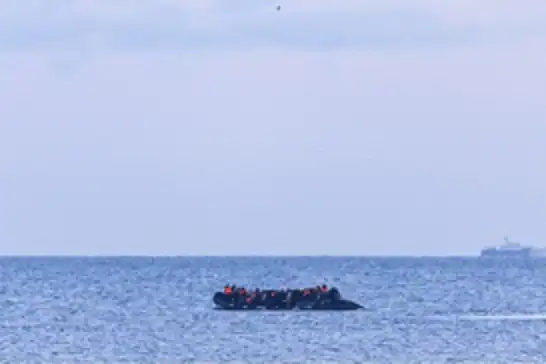
Three migrants, including a 10-year-old child, died Monday after a small boat carrying more than 100 people encountered difficulties while attempting to cross the English Channel from northern France to the United Kingdom, French authorities said.
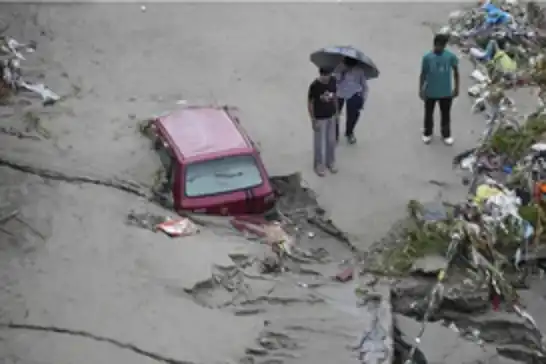
The death toll from severe flooding triggered by heavy monsoon rains in India's northern Uttar Pradesh state has risen to 81, while 62 others have been injured.
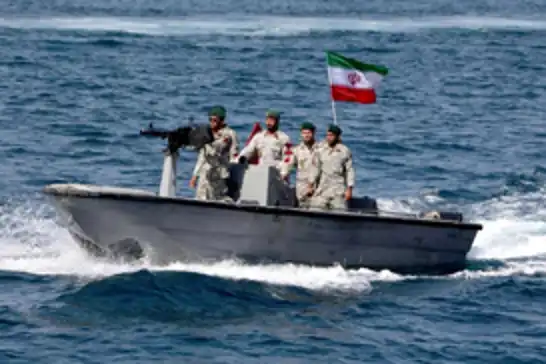
Eight US Marines were injured during an operation carried out by the Islamic Republic of Iran against a vessel in the Strait of Hormuz on September 14, according to reports.
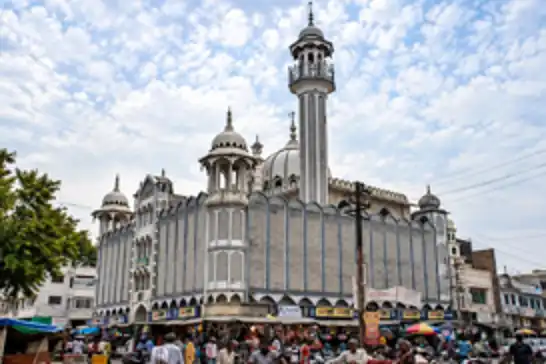
Hundreds of Muslims gathered inside the historic Shahi Masjid in Ujjain, Madhya Pradesh, to oppose plans to remove part of the mosque as part of a road-widening project being carried out ahead of the 2028 Simhastha Kumbh pilgrimage.