Belgium joins South Africa's genocide case against Israel
 13 oC
13 oC 
Güneşli

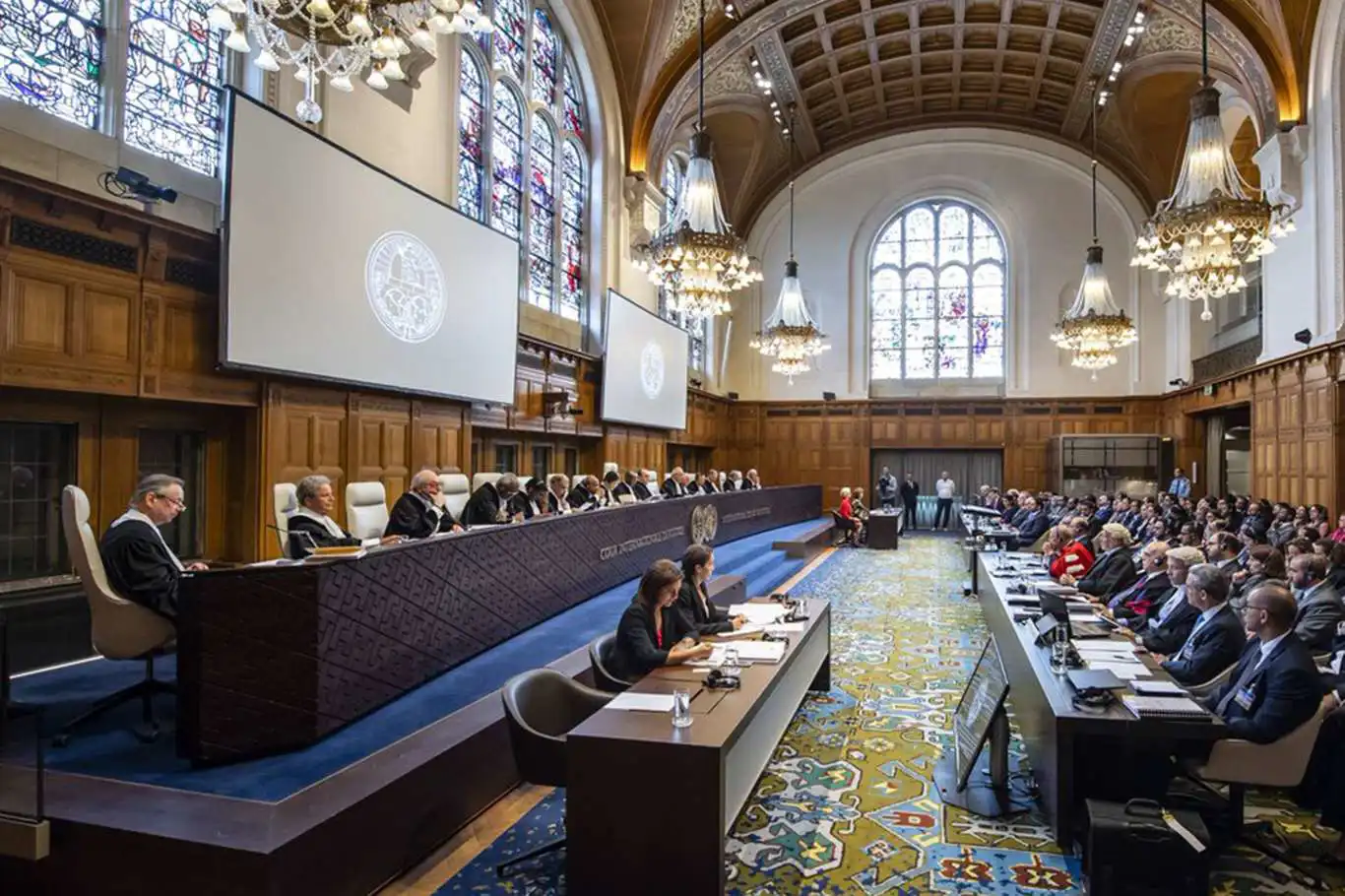
Belgium has formally intervened in the landmark case against Israel at the International Court of Justice (ICJ), marking a significant procedural development in the proceedings initiated by South Africa over Israel’s military campaign in Gaza.
In a statement released on Tuesday, the ICJ confirmed that Belgium lodged its declaration of intervention on December 23, exercising its right as a state party to the 1948 Convention on the Prevention and Punishment of the Crime of Genocide. The move allows Belgium to participate in the case in order to offer its legal interpretation of key provisions of the convention.
Belgium’s intervention is narrowly focused on Article II of the Genocide Convention, which defines the crime of genocide and sets out its core legal elements. Central to this article is the requirement to establish “specific intent” (dolus specialis) — the intention to destroy, in whole or in part, a national, ethnic, racial, or religious group.
By intervening on this specific point, Belgium aims to contribute its interpretation of what constitutes genocidal intent, an issue that lies at the heart of South Africa’s case against Israel and remains one of the most legally contested aspects of genocide allegations. The ICJ has invited both South Africa and Israel to submit written observations in response to Belgium’s declaration.
South Africa filed its application against Israel at the ICJ on December 29, 2023, accusing Israel of breaching its obligations under the Genocide Convention in the course of its military operations in the Gaza Strip. The case has drawn intense global attention amid mounting civilian casualties, widespread destruction, and an escalating humanitarian crisis in Gaza.
In a series of preliminary rulings, the ICJ has already issued provisional measures — legally binding orders — requiring Israel to take all measures within its power to prevent acts that could fall under the scope of the Genocide Convention. These measures also obligate Israel to facilitate humanitarian assistance to civilians in Gaza and to preserve evidence related to the alleged violations.
Israel has rejected the genocide allegations, insisting that its military actions constitute self-defense following the Hamas-led attacks of October 7. However, the court’s provisional measures indicated that at least some of South Africa’s claims were plausible under international law, a finding that significantly raised the legal and political stakes of the case.
Interventions by third-party states in ICJ cases are relatively rare and are generally seen as a sign that the legal questions involved carry far-reaching implications beyond the immediate dispute. Belgium’s decision to intervene signals concern among some states that the court’s interpretation of genocidal intent could shape the future application of international humanitarian and criminal law.
As the principal judicial organ of the United Nations, the ICJ issues rulings that are legally binding on the parties involved, though the court lacks direct enforcement mechanisms. Nonetheless, a final judgment against Israel would carry substantial moral, legal, and diplomatic weight, potentially influencing international policy decisions, arms transfers, sanctions debates, and proceedings in other legal forums.
Belgium’s entry into the case adds a European voice to proceedings that have already exposed deep global divisions over Israel’s actions in Gaza. As the case moves forward, the growing involvement of additional states underscores the broader international significance of the court’s eventual interpretation of the Genocide Convention and its application to one of the most contentious conflicts of the current era. (ILKHA)
LEGAL WARNING: All rights of the published news, photos and videos are reserved by İlke Haber Ajansı Basın Yayın San. Trade A.Ş. Under no circumstances can all or part of the news, photos and videos be used without a written contract or subscription.
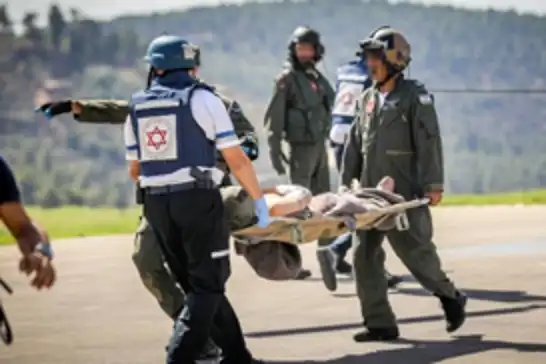
An Israeli soldier was killed and three others lightly wounded in southern Lebanon on Thursday, the Israeli army said, as Israeli forces continue their military presence on Lebanese territory despite a ceasefire agreement and diplomatic efforts to stabilize the region.
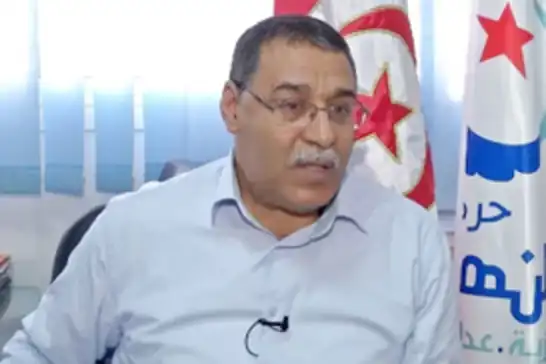
A growing wave of hunger strikes in Tunisian prisons has raised serious concerns over the health and safety of detained political opponents, pro-Palestinian activists and civil society figures, as rights groups warn of an intensifying crackdown under President Kais Saied.
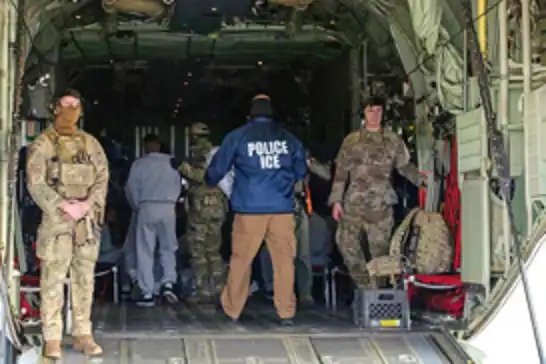
Human Rights Watch (HRW) has condemned the Trump administration’s deportation of migrants from the United States to African countries where they have no citizenship or prior ties, describing the policy as unlawful and warning that it deliberately exploits human suffering to deter migration.
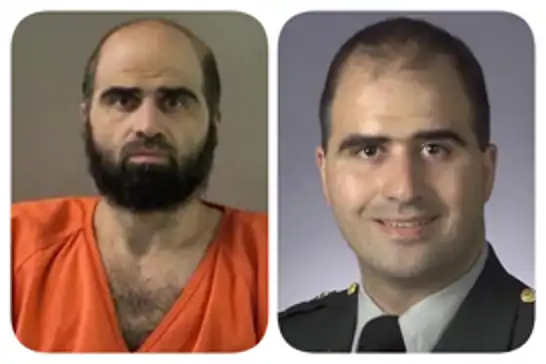
US Defense Secretary Pete Hegseth has announced that the execution of former Army psychiatrist Nidal Malik Hasan, who was sentenced to death for killing 13 people in the 2009 Fort Hood shooting, will be carried out by firing squad on December 3 and broadcast live to the public.