Brazil’s death toll from coronavirus rises to 133,207

 13 oC
13 oC 
Güneşli

1,090 more people have died from coronavirus in Brazil over the past 24 hours, bringing the country’s death toll from the virus to 133,207.
Brazil is the third-hardest hit by the virus worldwide after the United States and India.
The number of confirmed cases has reached 4,384,299 in the country, an increase of 34,755 cases in the last 24 hours.
While at least 8,318 patients are being treated in intensive care units, more than 3,671,128 patients suffering from coronavirus have fully recovered and been discharged from hospital.
So far, at least 14,505,652 tests have been conducted to detect infections in the country.
Sao Paulo, the country’s most-populated state, continues to be the epicenter of the coronavirus pandemic in Brazil.
The state has so far reported more than 901,000 confirmed coronavirus cases, with at least 32,963 deaths. (ILKHA)
LEGAL WARNING: All rights of the published news, photos and videos are reserved by İlke Haber Ajansı Basın Yayın San. Trade A.Ş. Under no circumstances can all or part of the news, photos and videos be used without a written contract or subscription.

The United States has approved a potential $2.68 billion military sale to Ukraine aimed at strengthening its air defense capabilities, as Kyiv faces sustained Russian drone and missile attacks and a shortage of interceptors for ballistic missiles.

Ukrainian President Volodymyr Zelensky said Saturday that he had approved new long-range operations against Russia in response to continued Russian strikes, as Kyiv seeks to expand its ability to conduct deep strikes and counter Moscow's growing use of jet-powered drones.
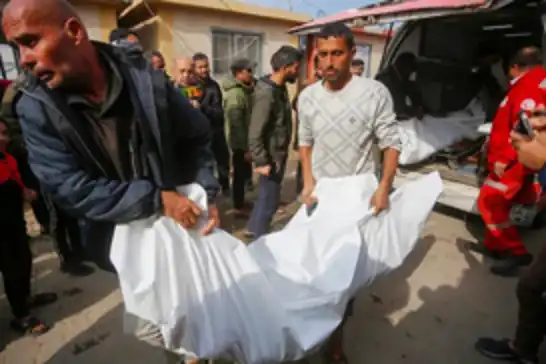
Three Palestinian civilians were martyred and several others wounded, some critically, in fresh Israeli attacks across the Gaza Strip on Saturday, while a 10-year-old girl died from injuries sustained in an earlier shooting.

Israeli police officers stormed the Bab al-Rahma prayer hall at the Aqsa Mosque compound during Friday prayers, according to Jerusalem affairs researcher Ziyad Abhais.