China retaliates against Trump’s tariffs, raises levies on U.S. goods to 125%
 13 oC
13 oC 
Güneşli

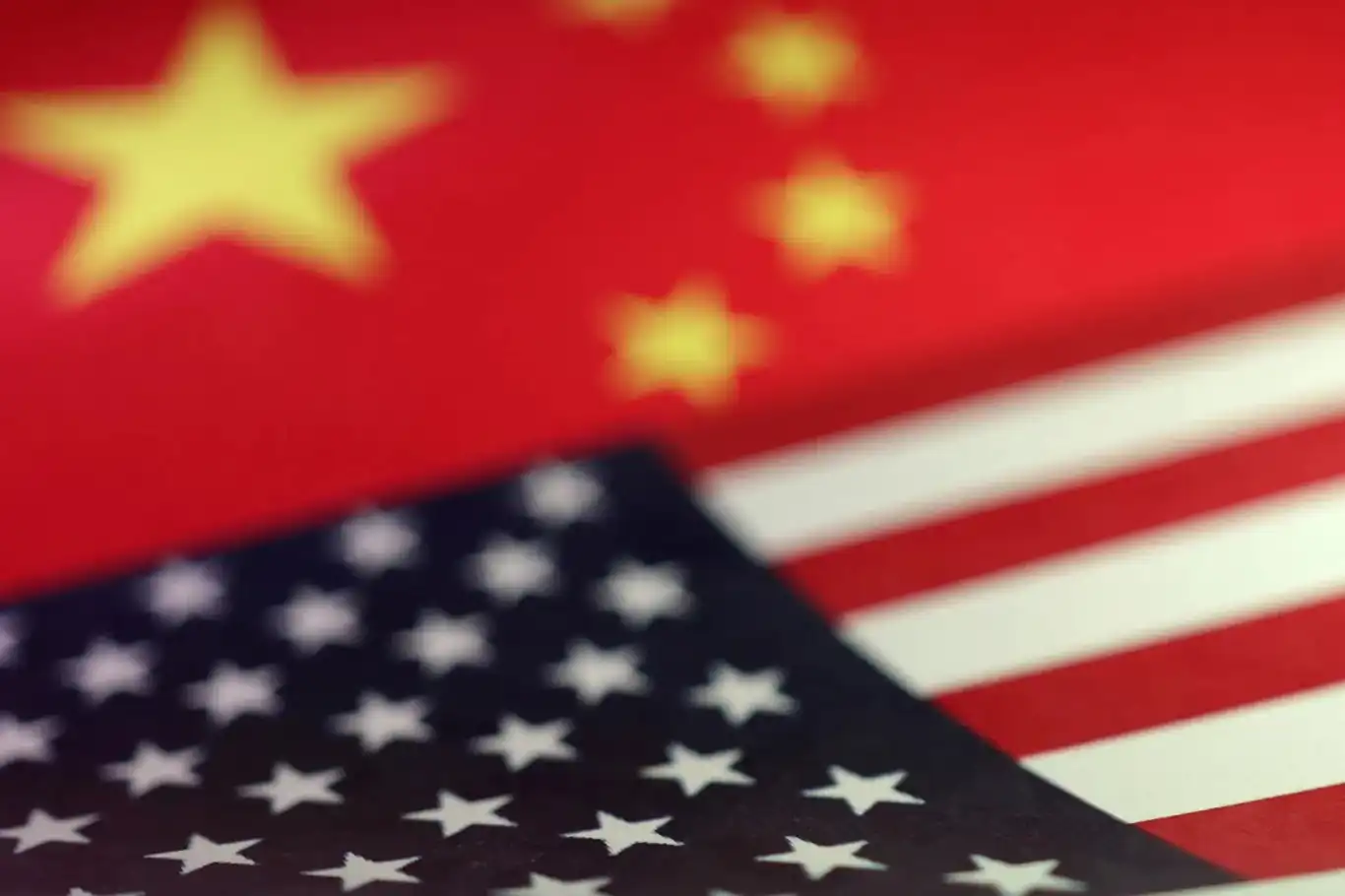
China intensified its trade war with the United States on Friday, announcing a sharp increase in tariffs on American goods to 125%, up from 84%, in retaliation for new U.S. duties imposed by former President Donald Trump.
The escalation deepens the rift between the world’s two largest economies, with both sides digging in amid fading hopes for a resolution.
The Chinese Finance Ministry condemned the U.S. tariff hikes as “economically irrational,” labeling them a “joke in the history of world economy.” Signaling growing frustration, the ministry hinted that Beijing may cease responding to further U.S. provocations, stating, “If the U.S. government continues to increase tariffs on China, Beijing will ignore.”
The Trump administration confirmed Thursday that U.S. tariffs on Chinese imports now total an effective rate of 145%, driven by a recent executive order raising duties to 125% and compounded by earlier fentanyl-related tariffs introduced in 2024.
Despite the heated rhetoric, China refrained from broader measures like export controls or expanding its unreliable entity list, which could further restrict U.S. firms in China. A Commerce Ministry spokesperson emphasized Beijing’s openness to negotiations “on an equal footing,” leaving room for potential dialogue.
Analysts, however, expressed skepticism about de-escalation. “This marks the end of the current phase of the trade war,” said Zhiwei Zhang, president of Pinpoint Asset Management. “Both sides have drawn a line—further tariff hikes are pointless. Now, the focus will shift to assessing the economic fallout, particularly on global supply chains.”
U.S. Treasury Secretary Scott Bessent blamed China for the standoff, calling it “the worst offender in the international trading system” in a Fox Business interview. He argued that China’s economy, which he described as “the most imbalanced in modern history,” would suffer more from the escalation.
The economic toll is already evident. Goldman Sachs downgraded China’s 2025 GDP growth forecast to 4%, citing worsening U.S.-China trade ties and declining global demand. With 10 to 20 million Chinese workers employed in U.S.-linked export sectors, the tariffs threaten significant job losses.
China vowed to “resolutely counter-attack and fight to the end” if its interests face further threats. During a Friday meeting with Spanish Prime Minister Pedro Sánchez, President Xi Jinping warned that “there is no winner in a tariff war” and cautioned against unilateral actions leading to isolation. The leaders committed to deepening China-Spain cooperation in trade, investment, and technology to counter global protectionism.
The White House has yet to formally respond to China’s latest tariff hike, leaving markets and policymakers bracing for the next move in this high-stakes trade conflict. (ILKHA)
LEGAL WARNING: All rights of the published news, photos and videos are reserved by İlke Haber Ajansı Basın Yayın San. Trade A.Ş. Under no circumstances can all or part of the news, photos and videos be used without a written contract or subscription.
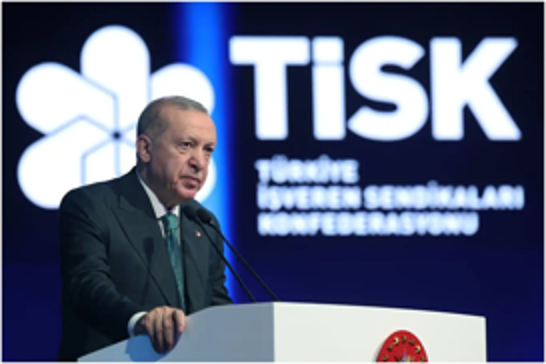
President Recep Tayyip Erdoğan pledged that Türkiye will bring inflation down to single digits, emphasizing that the government’s economic roadmap is already yielding positive signs.
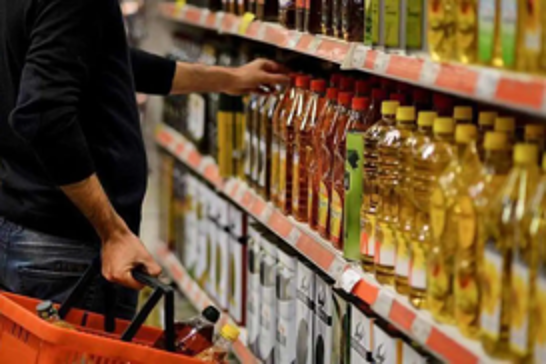
The Turkish Statistical Institute (TurkStat) reported on Thursday a mixed picture for the country's trade sector in October 2025, with retail sales showing robust annual growth while overall trade volume contracted slightly on a monthly basis.
Türkiye’s industrial production showed mixed performance in October 2025, posting an annual increase while declining on a monthly basis, according to data released on Wednesday by the Turkish Statistical Institute.

Türkiye’s construction sector faced continued cost pressures in October 2025, with the construction cost index (CCI) rising both on a monthly and annual basis, according to data released Wednesday by the Turkish Statistical Institute.