China startup unveils electric “flying taxi” at import expo

 13 oC
13 oC 
Güneşli

Chinese electric vertical take-off and landing (eVTOL) manufacturer Vertaxi unveiled a new “flying taxi” model at the 8th China International Import Expo (CIIE).
The aircraft, displayed in a dedicated “future low-altitude mobility” zone, is designed to transform short-haul travel. According to company specifications, it can cover a typical 40-minute car journey in just 10 minutes. With an estimated cost of just $8 per flight, the five-passenger vehicle boasts a maximum cruising speed of 200 km/h (124 mph) and a range of approximately 250 km (155 miles).
The demonstration proved more than a static display; it included a full-scale mock vertiport, allowing expo visitors to experience first-hand the process of boarding and navigating a future urban air-taxi system.
The company’s vision garnered significant commercial backing during the event. Vertaxi announced it secured 200 new global orders for its upgraded “M1” model. The deals include a 100-unit order from a Saudi Arabian low-altitude mobility provider and a further 100-unit order from a Chinese financial leasing firm, highlighting demand both internationally and domestically.
Vertaxi’s leadership emphasized that the model is designed for integration into daily life. The company aims to achieve regulatory type-certification for cargo versions by 2026, with a target for certified passenger operations between 2027 and 2028.
Company executives attribute the competitive $8 per-flight cost to efficient electric propulsion systems, a robust domestic supply chain, and the increasing scale of orders.
This initiative aligns with China’s broader national strategy to foster a “low-altitude economy,” backed by policy and infrastructure support to transform urban skies into new transport corridors. Analysts suggest that the widespread adoption of eVTOLs could alleviate road congestion, slash travel times between urban centers, and offer a lower-emission alternative to cars.
Despite the promising outlook, significant hurdles remain. Vertaxi executives acknowledge that a full commercial rollout is contingent on progress in several key areas, including complex certification procedures, the development of urban air traffic management systems, and the widespread deployment of infrastructure like vertiports. Public acceptance and safety assurance are also critical.
Vertaxi’s growing global order book points to rising demand for eVTOL services beyond China, particularly in Asia and the Middle East. The substantial order from Saudi Arabia underscores the region’s strategic push into advanced air mobility.
The unveiling at CIIE 2025 marks a notable milestone, positioning Vertaxi, and China more broadly, as a formidable competitor in the emerging global eVTOL sector. While the technology is still in its early commercial stages, it offers a compelling glimpse into a future of commuting that is faster, cleaner, and airborne. (ILKHA)
LEGAL WARNING: All rights of the published news, photos and videos are reserved by İlke Haber Ajansı Basın Yayın San. Trade A.Ş. Under no circumstances can all or part of the news, photos and videos be used without a written contract or subscription.

Hamas spokesperson Hazem Qassem announced that the Palestinian resistance movement is open to the presence of international forces in the Gaza Strip, provided such forces serve a clear humanitarian and stabilizing role centered on protecting civilians and ending the cycle of violence imposed on the besieged population.

South Africa has suspended the 90-day visa exemption previously granted to holders of Palestinian passports, citing intelligence findings that the policy was being exploited by Israeli-linked actors to push Palestinians out of Gaza under the pretext of “voluntary migration.”

US President Donald Trump expressed disappointment after Ukrainian President Volodymyr Zelenskyy had not yet reviewed Washington’s proposal aimed at ending the Russia-Ukraine war, despite days of negotiations between American and Ukrainian delegations.
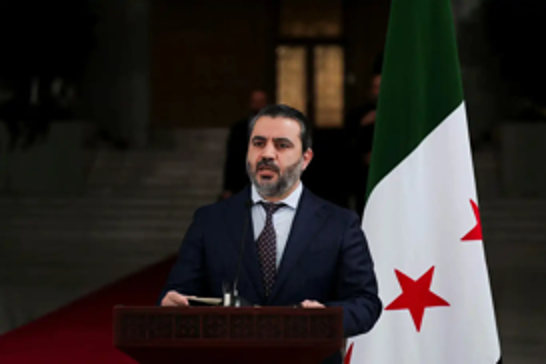
Syrian Foreign Minister Asaad Al-Shibani said Israel’s continued control of Syrian territory has made any genuine peace agreement impossible, reaffirming that Damascus cannot accept negotiations while occupation persists on its land.