Death toll from Beirut explosion rises to 177, the Health Ministry says
 13 oC
13 oC 
Güneşli
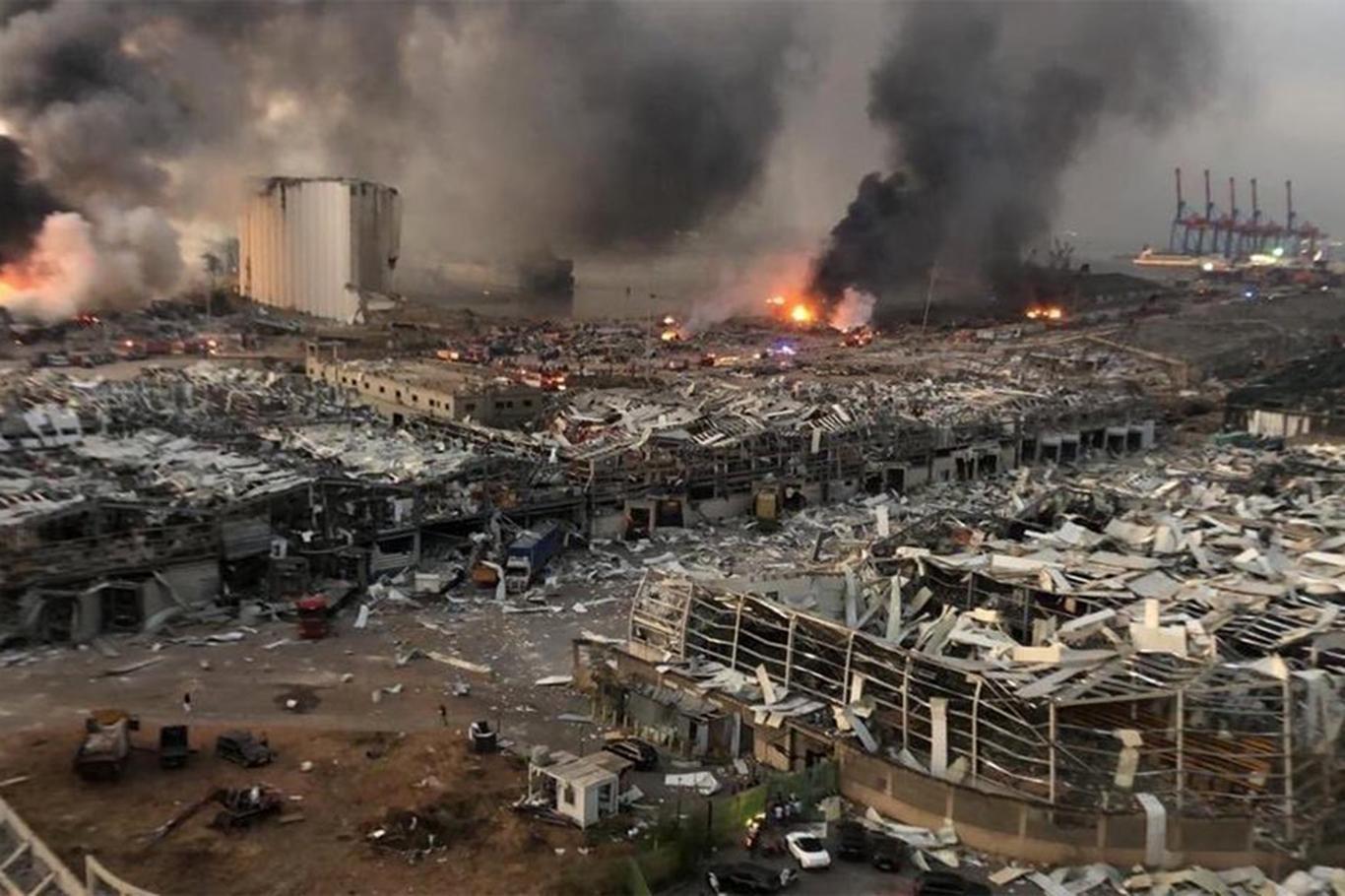
The number of people who lost their lives in the large blast in the Lebanese capital, Beirut, has risen to 177, the country's Health Ministry Hamad Hassan said.
Hamad Hassan put the number of missing people at 38.
More than 6,000 people have been injured in the blast, which was heard 240km (150 miles) away on the island of Cyprus in the eastern Mediterranean.
Search and rescue teams are continuing to search for victims who remain trapped under rubble.
Beirut Governor Marwan Abboud estimated that up to 300,000 people were left homeless by the explosions.
The damage extended over half of Beirut, with 90% of hotels in the city were damaged and three hospitals completely destroyed, while two more suffered damage.
The main explosion was linked to approximately 2,750 tons of ammonium nitrate that had been confiscated by the government from an abandoned ship and stored in the port without proper safety measures for the previous six years, Lebanese Prime Minister Hassan Diab said. (ILKHA)
LEGAL WARNING: All rights of the published news, photos and videos are reserved by İlke Haber Ajansı Basın Yayın San. Trade A.Ş. Under no circumstances can all or part of the news, photos and videos be used without a written contract or subscription.

A U.S. Immigration and Customs Enforcement officer pleaded not guilty Friday to federal charges accusing him of lying to investigators about being attacked before he shot and wounded a Venezuelan man during an immigration enforcement operation in Minneapolis earlier this year.
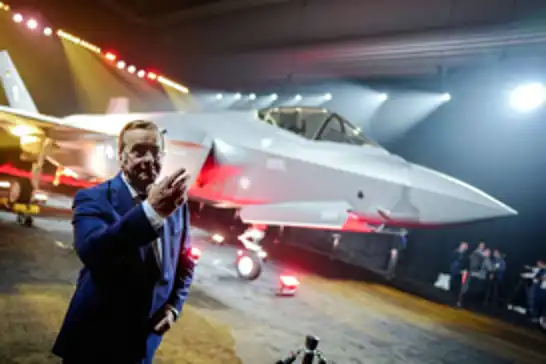
Germany has received its first F-35A Lightning II fighter jet from U.S. defense giant Lockheed Martin, marking a major step in Berlin’s plan to replace its aging Tornado fleet with fifth-generation combat aircraft.
Australia has announced new migration measures that will restrict the ability of many international students and temporary graduates to bring their partners and children to the country.
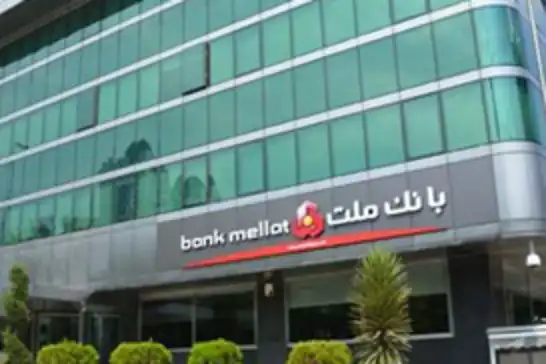
Türkiye’s Banking Regulation and Supervision Agency (BDDK) has revoked the operating licence of Iranian lender Bank Mellat’s Istanbul branch, according to a decision published in the Official Gazette, as the United States continues to press other countries to increase economic pressure on Tehran.