Economic hardship remains a major challenge for Muslims in northern Nigeria
 13 oC
13 oC 
Güneşli

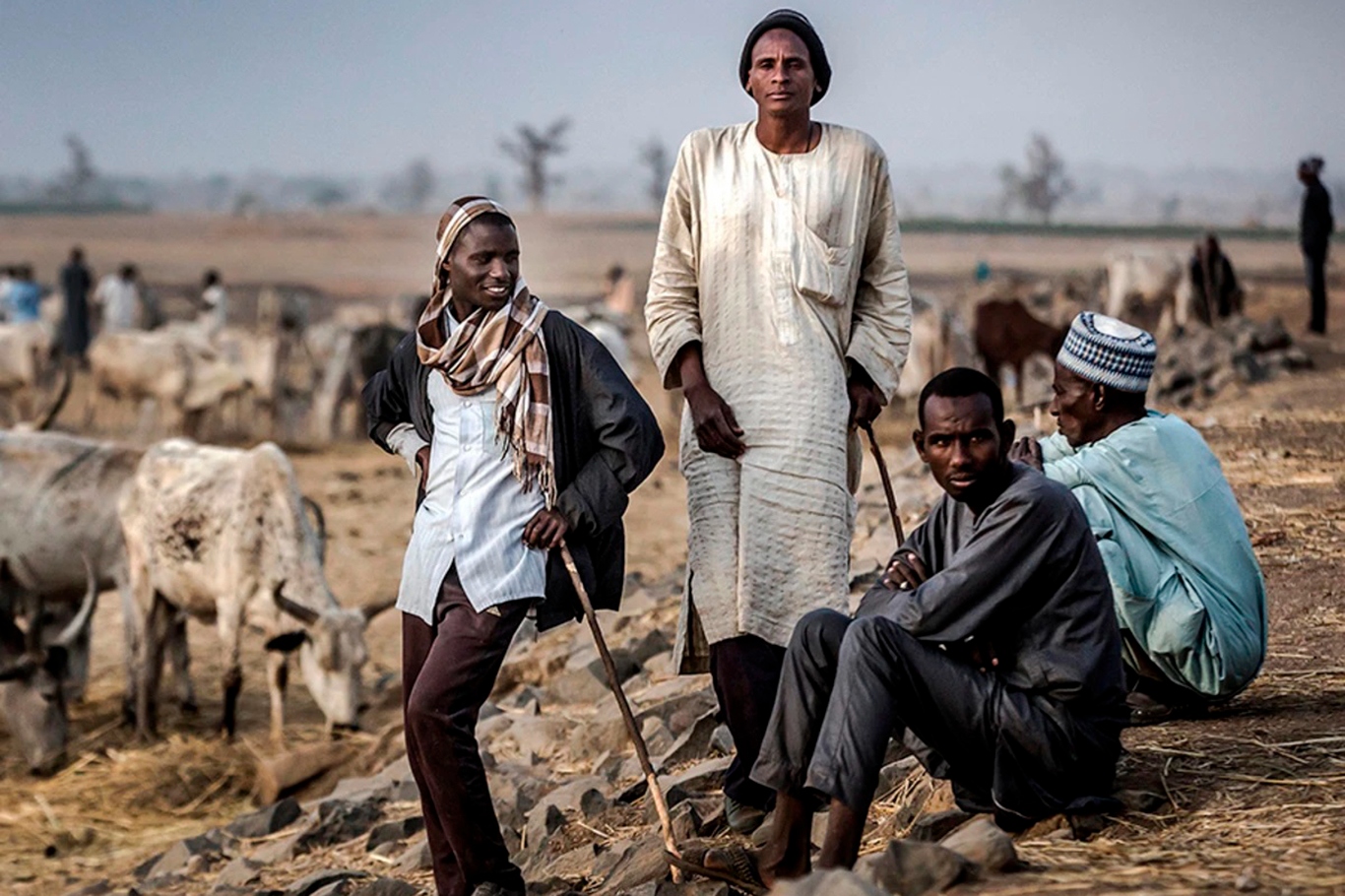
Millions of Muslims in northern Nigeria continue to face poverty, unemployment and limited access to education despite making up a significant share of the country's population, highlighting deep economic disparities that experts say are at the root of many of the region's challenges.
Nigeria, Africa's most populous nation, is home to one of the world's largest Muslim populations. More than 100 million Muslims live in the country, with the majority concentrated in the northern states, while Christians are predominantly located in the south.
Analysts say the economic divide between the two regions has shaped Nigeria's development for decades. Although religious and ethnic tensions have periodically emerged, many observers argue that poverty, weak infrastructure, limited public services and a lack of economic opportunities have become more significant drivers of instability in recent years.
The country's northern regions have been particularly affected by insecurity linked to armed groups, banditry and kidnappings. Local officials and researchers increasingly view these challenges through the lens of underdevelopment and governance deficits rather than solely as religious conflicts.
Many of the victims of violence in the north have themselves been Muslims, underscoring the complex nature of the security crisis. Attacks on villages, schools and transportation routes have disrupted daily life and further weakened economic activity across large parts of the region.
Education remains one of the most pressing concerns. Differences between traditional Islamic education systems and the state-recognized school system have contributed to lower levels of formal educational attainment in some northern communities, limiting employment opportunities for young people and affecting long-term economic prospects.
Nigeria has sought to maintain political balance between its Muslim and Christian populations through an informal power-sharing tradition that alternates leadership between candidates from the country's major religious communities. Nevertheless, many northern states continue to record some of the highest poverty and unemployment rates in the country.
Experts warn that rapid population growth, insufficient investment and limited job creation are increasing pressure on local communities, particularly among young people. They argue that sustainable progress will require greater investment in education, infrastructure and economic development alongside security measures.
Many religious, community and civil society leaders across Nigeria maintain that lasting stability will depend not only on improving security but also on reducing poverty, expanding opportunities and addressing long-standing regional inequalities.(ILKHA)
LEGAL WARNING: All rights of the published news, photos and videos are reserved by İlke Haber Ajansı Basın Yayın San. Trade A.Ş. Under no circumstances can all or part of the news, photos and videos be used without a written contract or subscription.

The New South Wales government has formally admitted that a police officer punched pro-Palestine protester Hannah Thomas in the eye while holding a torch, and has agreed to cover her medical costs following the incident.
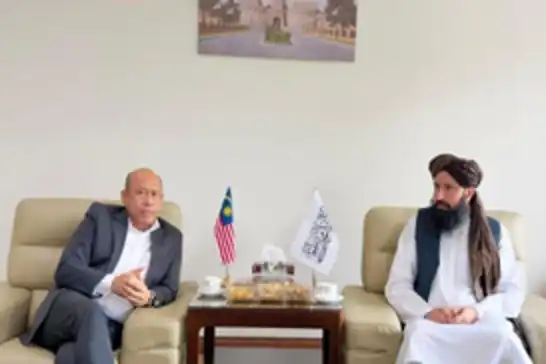
The Islamic Emirate of Afghanistan and Malaysia have held discussions aimed at strengthening bilateral relations and expanding cooperation in defense and institutional development, officials said.

The British government is set to introduce new measures aimed at protecting children from dog attacks, making it illegal to leave children under the age of 12 unsupervised with certain high-risk dog breeds in England and Wales.

A former Air Canada pilot has been charged with criminal offenses after allegedly flying commercial aircraft for nearly 17 years using a fraudulent pilot’s license, Canadian authorities said on Tuesday.