EU and Armenia launch visa liberalization dialogue
 13 oC
13 oC 
Güneşli

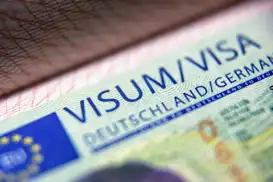
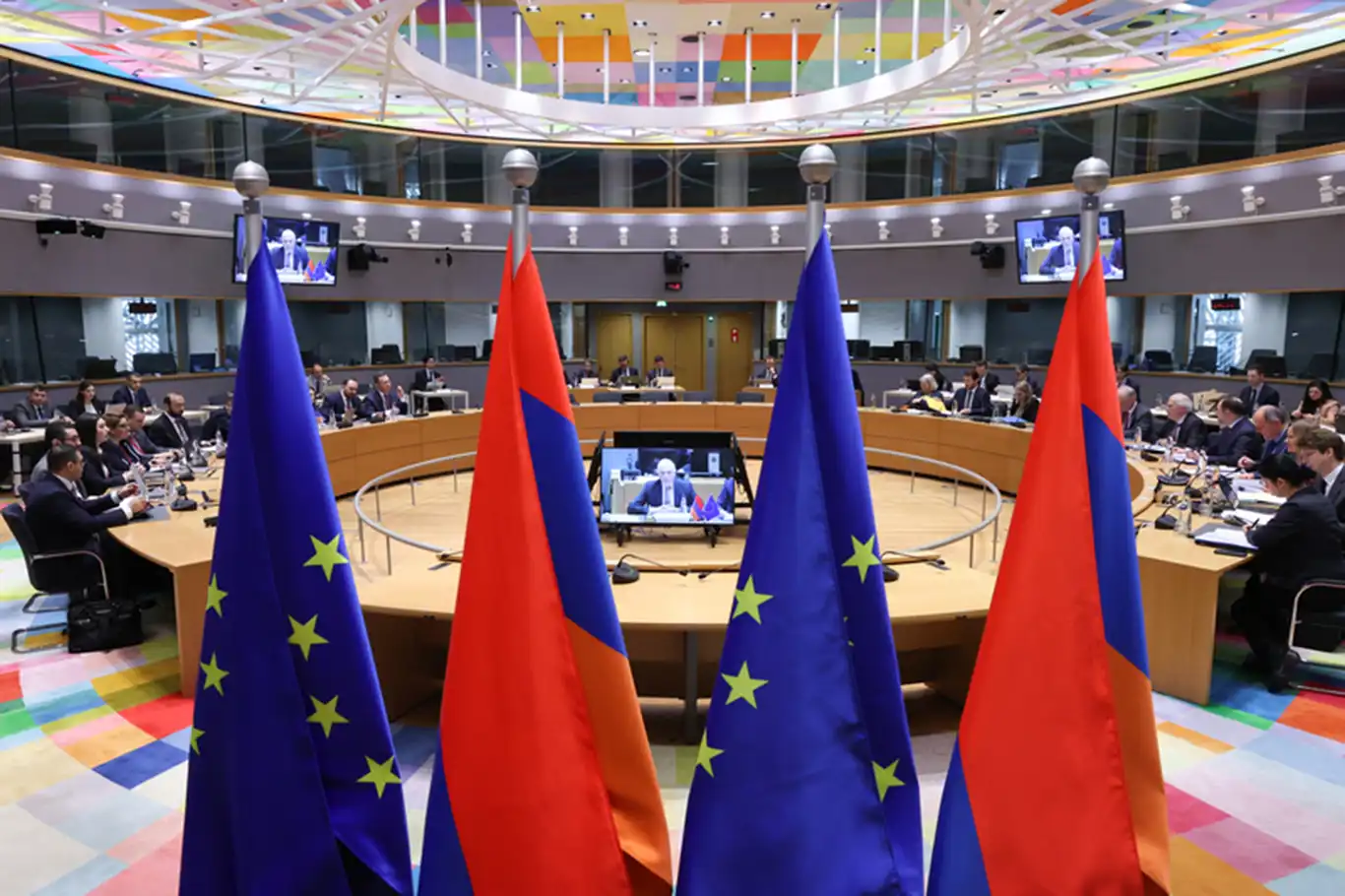
The European Union (EU) and the Republic of Armenia have officially commenced a visa liberalization dialogue, marking a significant step towards a visa-free regime for short-term travel between the two entities.
The dialogue, announced Monday, aims to support Armenia in meeting the necessary conditions for well-managed mobility and security, paving the way for visa-free travel to the EU. This initiative builds upon the existing EU-Armenia Comprehensive and Enhanced Partnership Agreement (CEPA) and the successful implementation of the Visa Facilitation and Readmission Agreements.
The visa liberalization process will focus on areas such as document security, border and migration management, the fight against corruption and organized crime, and upholding fundamental rights. The EU and Armenia will work closely to ensure the dialogue is conducted efficiently, with progress monitored rigorously.
The launch of the dialogue follows several initiatives aimed at strengthening EU-Armenia relations, including the European Commission's Resilience and Growth Plan for Armenia, which aims to build up the country's socio-economic resilience.
The EU and Armenia expressed their commitment to working together to achieve the goal of visa-free travel, emphasizing the importance of meeting all necessary benchmarks before a final decision is made by the Council of the EU and the European Parliament. (ILKHA)
LEGAL WARNING: All rights of the published news, photos and videos are reserved by İlke Haber Ajansı Basın Yayın San. Trade A.Ş. Under no circumstances can all or part of the news, photos and videos be used without a written contract or subscription.
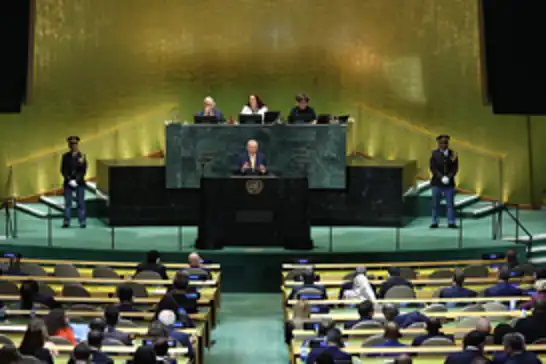
Turkish President Recep Tayyip Erdoğan concluded a four-day visit to New York for the 81st session of the United Nations General Assembly after holding a series of bilateral meetings with world leaders and senior international officials, with Gaza, regional security, the Russia-Ukraine war, Iran, Iraq and economic cooperation among the main issues on his agenda.
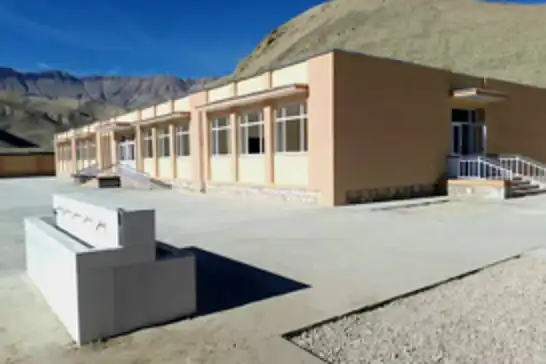
Afghanistan has continued efforts to expand its education infrastructure with the construction of a new school building worth $300,000 in the northern province of Kunduz.
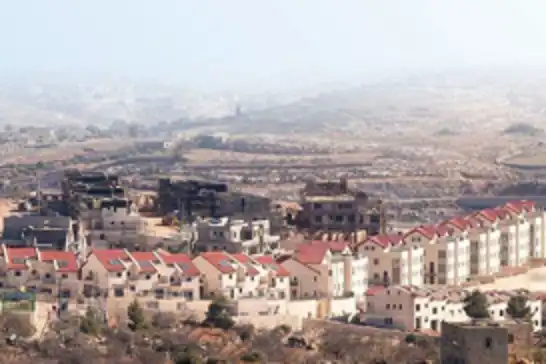
The Israeli regime has approved plans for the construction of 567 new settlement units in two settlements in the Hebron (Al-Khalil) governorate in the occupied West Bank.
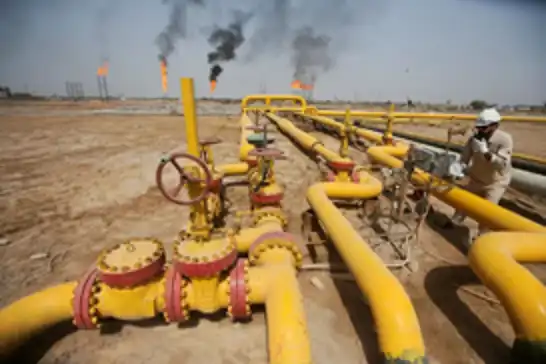
Djibouti and Ethiopia have launched the "Horn of Africa Energy Corridor" project to strengthen energy supply security and reduce costs and logistical risks in the transportation of petroleum products between the two countries.