EU and Mercosur sign historic trade deal after 25 years of negotiations
 13 oC
13 oC 
Güneşli

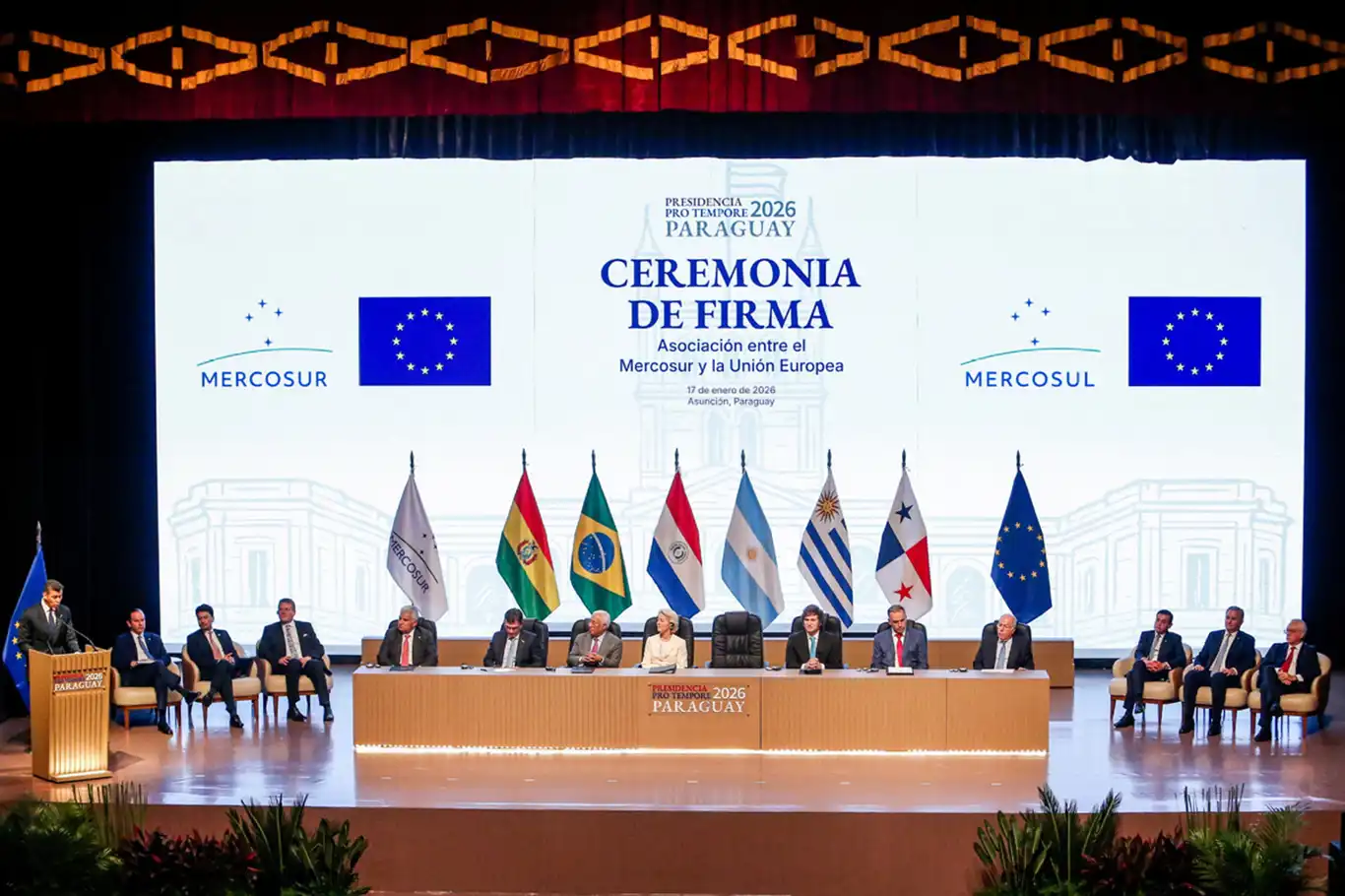
The European Union and the Mercosur bloc on Saturday signed a comprehensive Partnership Agreement and an Interim Trade Agreement, marking a historic milestone in relations between the two regions and paving the way for deeper economic, diplomatic and geopolitical cooperation.
The agreements will create one of the largest free trade areas in the world, covering a combined market of around 700 million consumers. EU officials say the deal is expected to significantly boost trade flows, with EU exports to Mercosur projected to rise by an estimated 39% annually, equivalent to roughly €49 billion, while supporting hundreds of thousands of jobs across the bloc.
Beyond trade, the agreement is being presented as a strong geopolitical statement at a time of growing global uncertainty. The EU and Mercosur said the deal reflects their shared commitment to multilateralism and a rules-based international order, underscoring the importance of cooperation and dialogue amid rising global fragmentation.
The signing ceremony was witnessed by European Commission President Ursula von der Leyen, European Council President Antonio Costa, and leaders from Mercosur countries. The agreements were formally signed by EU Trade Commissioner Maroš Šefčovič and his counterparts from the South American bloc.
“Today, two like-minded regions open a new chapter of opportunity for more than 700 million citizens,” von der Leyen said. “With this win-win partnership, we both stand to gain – economically, diplomatically and geopolitically. Our companies will create exports, growth and jobs. We will support each other in our clean and digital transitions. And our signal to the rest of the world is clear: the EU and Mercosur are choosing cooperation over competition, and partnership over polarisation.”
Tariff cuts and export growth
The agreements will remove tariffs on a wide range of EU exports to Mercosur, including agri-food products and key industrial goods such as cars, machinery and pharmaceuticals. EU businesses are expected to save around €4 billion per year in duties as a result.
The deal is also designed to facilitate safer and faster investment in strategic supply chains, including critical raw materials, while strengthening economic security and supporting the green and digital transitions on both sides. EU officials say it will also help shape global trade rules in line with high European standards.
Safeguards for EU agriculture
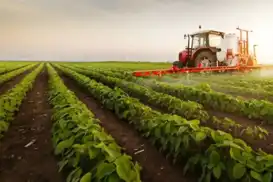
European farmers and food producers are expected to gain unprecedented access to Mercosur markets. The European Commission estimates that EU agri-food exports to the region could increase by up to 50%, driven by reduced tariffs on products such as wine, spirits, dairy and olive oil. The agreement also provides protection for 344 EU Geographical Indications, safeguarding traditional food and drink products from imitation and unfair competition.
At the same time, the EU has included measures to protect sensitive agricultural sectors. These include carefully calibrated tariff rate quotas limiting imports of sensitive products, a legally binding safeguard mechanism to address sudden surges in imports, and strengthened controls to prevent non-compliant products from entering the EU market.
Additional steps include closer alignment of production standards, particularly on pesticides and animal welfare, and the creation of a €6.3 billion “Unity Safety Net” fund from 2028 to support farmers in the event of market disruptions.
Strong sustainability commitments
The agreement is among the EU’s most ambitious in terms of sustainable development. It includes enforceable commitments on climate action, with the Paris Agreement designated as an essential element, as well as provisions on labour rights and women’s economic empowerment. Both sides have pledged to work toward climate neutrality by 2050, with trade positioned as a key driver of the green transition.
Ratification process ahead
Following the signing, the EU and Mercosur will begin their respective ratification procedures. On the EU side, the Partnership Agreement will require approval by all EU member states in line with national processes. The Interim Trade Agreement, which falls under EU exclusive competence, will require the consent of the European Parliament and formal adoption by the Council before it can enter into force.
The Interim Trade Agreement will remain in effect until the full Partnership Agreement is ratified and comes into force. (ILKHA)
LEGAL WARNING: All rights of the published news, photos and videos are reserved by İlke Haber Ajansı Basın Yayın San. Trade A.Ş. Under no circumstances can all or part of the news, photos and videos be used without a written contract or subscription.
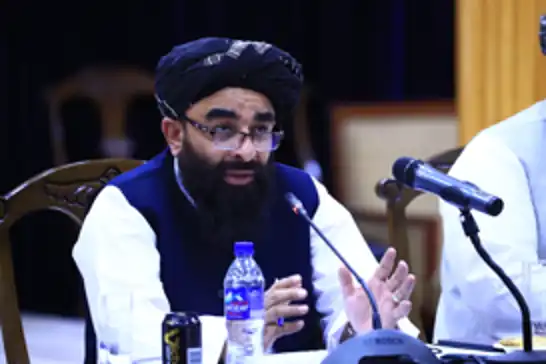
The spokesperson for Afghanistan’s Islamic Emirate has sharply criticized the United Nations Assistance Mission in Afghanistan (UNAMA) for its performance over the past five years, accusing the mission of focusing on secondary issues while failing to effectively bridge relations between the Islamic Emirate and the international community.
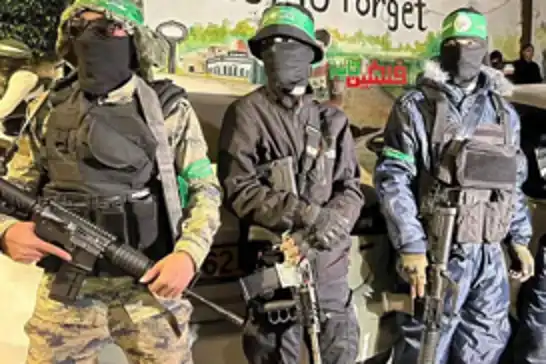
Palestinian resistance factions have reaffirmed that the Battle of Al-Aqsa Flood marked a historic turning point in the Palestinian struggle for liberation, describing the operation as a legitimate response to decades of occupation, siege, settlement expansion, and aggression against the Palestinian people.

At least 11 people were killed in a devastating traffic accident on the Dushanbe-Kulob-Khorog highway in Tajikistan on Thursday morning, according to the country's Interior Ministry.

As Gaza marked 1,000 days of Israel's devastating military campaign, humanitarian organization Save the Children revealed that at least 21,000 Palestinian children have been confirmed killed, while hundreds of thousands more have been displaced, traumatized, and deprived of their basic rights, including access to education.