EU plans to impose entry ban on Russian veterans as part of new sanctions package
 13 oC
13 oC 
Güneşli

The European Union has proposed banning all Russian military personnel who have served since the start of the war in Ukraine from entering the bloc, as part of a sweeping new round of sanctions targeting Moscow’s banks, cryptocurrency firms, and oil revenues.
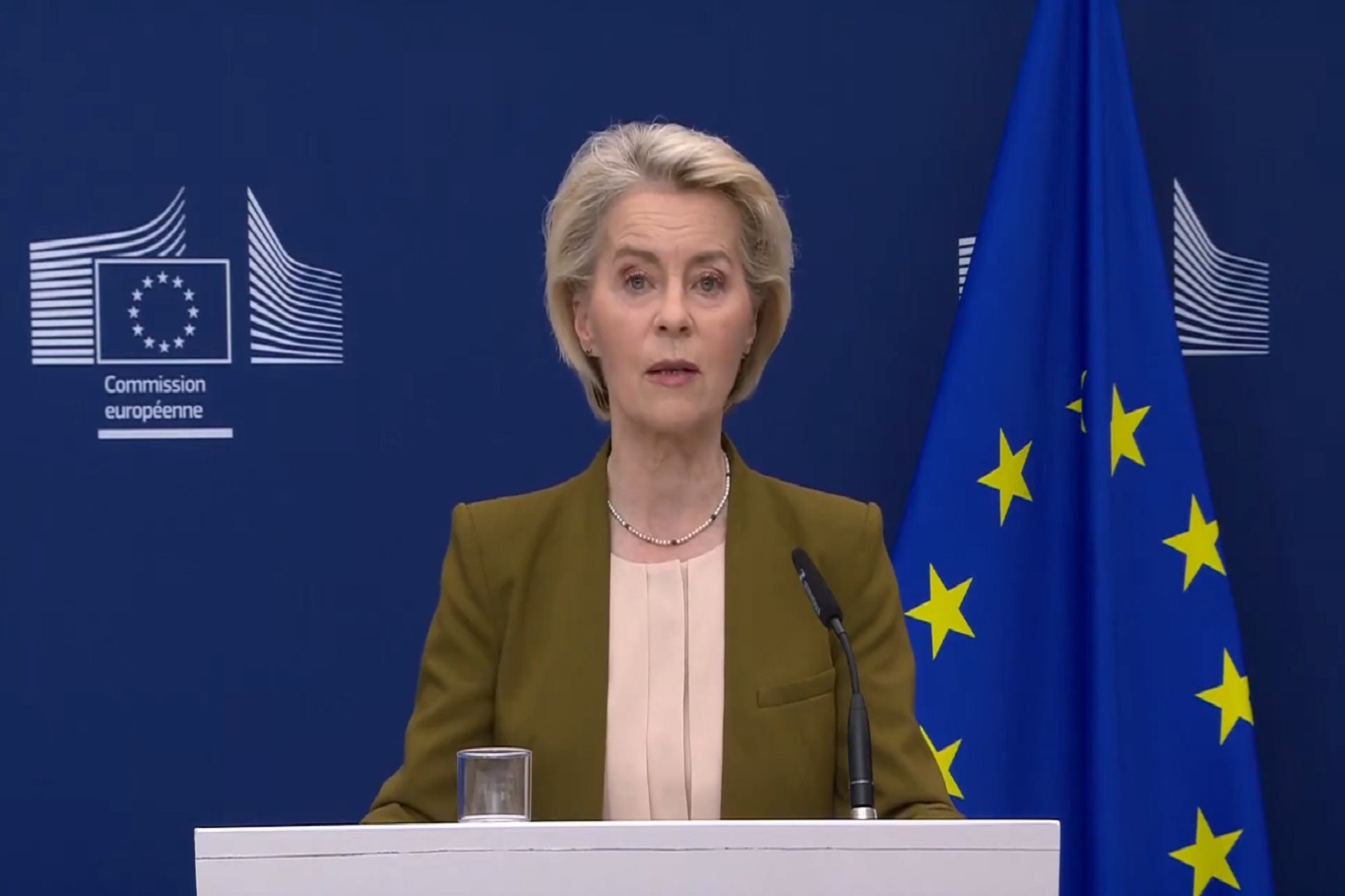
Announcing the measures on Tuesday, European Commission President Ursula von der Leyen described the proposals as part of the bloc's continuing effort to increase pressure on Russia more than four years after the start of the Ukraine war.
“We propose for the first time to ban from entry into the European Union anyone who has served in the Russian armed forces since the beginning of the war,” von der Leyen said. “Europe stays off limits for anyone who has participated in the invasion of Ukraine.”
The proposed restrictions form part of the European Union's 21st sanctions package since Russia launched its full-scale military operation in Ukraine in February 2022. The measures must still receive unanimous approval from all 27 EU member states before they can take effect.
The proposed entry ban would represent one of the most politically significant measures adopted by the EU since the outbreak of the conflict.
European officials argue that individuals who participated in military operations in Ukraine should not be granted access to the bloc, citing both security concerns and political considerations.
The idea gained momentum after Estonia raised the issue earlier this year. Estonian Foreign Minister Margus Tsahkna argued that large numbers of former combatants could pose security challenges if allowed unrestricted access to Europe.
Supporters of the measure say it would reinforce the EU's broader strategy of isolating Russia and those directly involved in the war effort.
The European Commission also proposed maintaining the existing price cap on Russian oil exports at $44 per barrel until January 2027.
Officials say the measure is designed to limit Moscow's ability to benefit from potential spikes in global oil prices, particularly amid ongoing instability surrounding the Strait of Hormuz, one of the world's most important energy shipping routes.
“We want to maintain the full intensity of our sanctions,” von der Leyen said while presenting the package.
The oil price cap was originally introduced by Western nations to restrict Russia's energy revenues while attempting to avoid major disruptions to global oil markets.
Another key component of the sanctions package targets Russia's so-called "shadow fleet" of vessels accused of helping transport Russian oil outside Western restrictions.
The European Commission wants to blacklist an additional 30 vessels, adding to more than 630 ships already under sanctions.
European authorities argue that these vessels have played a crucial role in helping Russia maintain energy exports despite years of economic restrictions.
Brussels is also proposing sanctions against 20 banks, cryptocurrency firms, oil traders, and other entities in third countries that it believes are facilitating Russian financial transactions and helping Moscow circumvent restrictions on access to Western capital markets.
The inclusion of cryptocurrency companies reflects growing concerns among EU policymakers that digital assets have become an increasingly important channel for sanctions evasion.
The latest proposals would further reduce economic ties between the EU and Russia through additional trade restrictions.
For the first time, sanctions could extend to Russian fish exports, including a potential ban on imports of cod and limitations on other seafood products entering European markets.
The Commission is also seeking to prohibit imports of Russian metals, ores, and automotive parts worth an estimated €60 million annually.
At the same time, export controls would be tightened on advanced materials, metals, alloys, drone components, launch systems, and technologies with potential military or aerospace applications.
European officials say these measures are intended to restrict Russia's access to goods that could support its defense and industrial sectors.
Alongside the sanctions announcement, von der Leyen confirmed that the European Union intends to move forward with Ukraine's accession negotiations.
EU officials expect to formally open the first negotiation chapters with both Ukraine and Moldova in the coming days, focusing initially on rule-of-law reforms, democratic governance, and institutional standards.
“This basically opens the door to the next phase of the accession process, the formal start of negotiations,” von der Leyen said.
The move is expected to mark a significant milestone in Ukraine's long-term effort to join the European Union, although officials acknowledge that full membership remains a lengthy and complex process.
While broad support exists within the EU for maintaining pressure on Russia, discussions among member states are expected to continue in the coming weeks regarding the scope and implementation of the new measures.
Several governments have called for tougher action against sanctions evasion networks, while others have expressed concerns about the economic impact of additional trade restrictions.
If approved unanimously, the package would represent one of the most comprehensive expansions of EU sanctions since the beginning of the conflict, further tightening restrictions on Russia's financial system, energy sector, trade relationships, and international mobility.
The proposals come as European leaders prepare for upcoming NATO and G7 meetings, where support for Ukraine and the future of Western sanctions policy are expected to remain high on the agenda. (ILKHA)
LEGAL WARNING: All rights of the published news, photos and videos are reserved by İlke Haber Ajansı Basın Yayın San. Trade A.Ş. Under no circumstances can all or part of the news, photos and videos be used without a written contract or subscription.

Microsoft co-founder Bill Gates is set to appear voluntarily before a congressional committee on Wednesday to answer questions regarding his past relationship with the late financier and convicted sex offender Jeffrey Epstein.

Gaza's Health Ministry said the number of Palestinians martyred since Oct. 7, 2023, has risen to 72,991, while the number of wounded reached 173,212.
A landmark survey published Wednesday by the European Council on Foreign Relations (ECFR) has exposed a historic low in transatlantic relations, with just 11% of Europeans across 15 countries considering the United States an ally.