EU reaffirms strong support for Syria’s reconstruction and stability

 13 oC
13 oC 
Güneşli

The European Union has reaffirmed its support for Syria’s transition “from crisis to recovery,” as senior European and Syrian officials met in Brussels to discuss reconstruction, economic cooperation, and long-term stability efforts.
Speaking at the EU-Syria Partnership Forum, European Commissioner for the Mediterranean Dubravka Šuica said Syria’s reconstruction would require extensive international coordination due to the scale of destruction caused by years of conflict.
“Syria is one of the most important countries in the eastern Mediterranean, and its reconstruction requires working together because the needs are extensive and enormous,” Šuica said during a joint press conference with Syrian Foreign Minister Asaad Hassan al-Shaibani.
She said the EU is currently supporting Syria through assistance to health institutions, infrastructure rehabilitation, and broader efforts aimed at economic and social recovery. According to Šuica, these initiatives are designed to strengthen institutions and lay the groundwork for what she described as “a prosperous Syria for all.”
The commissioner added that Syria appears to be moving in the right direction, but stressed that rebuilding the country would be a long-term process requiring sustained international engagement, resilience-building, and efforts to restore hope among the Syrian population.
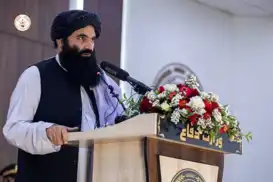
For his part, al-Shaibani said Syria is entering a new phase focused on rebuilding state institutions and shifting from humanitarian aid dependency toward structured international partnerships based on mutual interests.
He emphasized that Damascus is engaging with European partners “with the utmost seriousness” and hopes the Brussels discussions will establish a foundation for long-term cooperation.
“We expect this meeting to lay a solid foundation for mutual understanding with our partners,” he said.
Al-Shaibani also underlined Syria’s efforts to support the voluntary return of refugees and rebuild national infrastructure, while stressing a vision of equal citizenship.
“In Syria, we do not have minorities and majorities. Everyone is Syrian under Syrian law and the Syrian constitution,” he said.
The Syrian foreign minister described the current regional and global environment as a rare opportunity for economic engagement between Europe and the Middle East, warning that “historic windows close if they are not utilized at the right time.”
He said Syria’s geographic position could allow it to serve as a key transit hub for international supply chains, presenting opportunities for regional trade and stability.
“Syria today can become one of the secure routes for global supply chains,” al-Shaibani said.
He also identified the European Union, the United States, and Gulf countries as potential partners in Syria’s reconstruction process, while describing Lebanon as a neighboring state with ongoing economic cooperation ties.
Addressing security concerns, al-Shaibani said Syria continues to face challenges linked to armed groups outside state control, while emphasizing ongoing efforts to strengthen bilateral relations and move beyond the legacy of the former regime.
He further accused Israel of attempting to destabilize Syria over the past year and a half, while reaffirming Damascus’ commitment to the 1974 Disengagement Agreement and cooperation with the United Nations Disengagement Observer Force (UNDOF).
Al-Shaibani also stated that Syria has engaged in negotiations under U.S. sponsorship, saying the country’s priority remains reconstruction, stability, and enabling the safe return of displaced Syrians. (ILKHA)
LEGAL WARNING: All rights of the published news, photos and videos are reserved by İlke Haber Ajansı Basın Yayın San. Trade A.Ş. Under no circumstances can all or part of the news, photos and videos be used without a written contract or subscription.
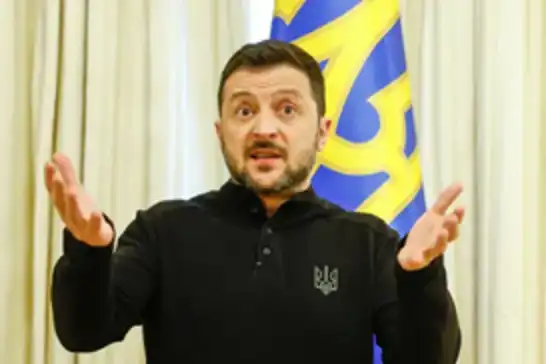
Ukraine had no information about an energy ceasefire between Kyiv and Moscow announced by U.S. President Donald Trump on Sunday, a senior Ukrainian official told the Kyiv Independent, casting doubt on whether an agreement had been reached.
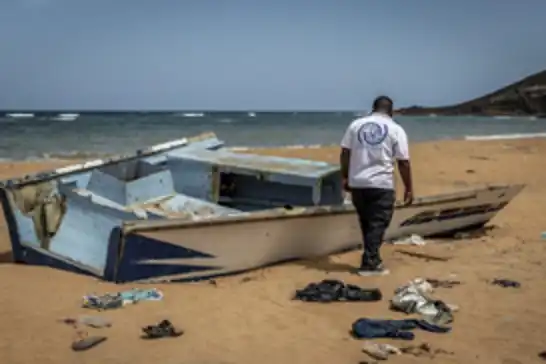
At least 139 migrants have died and 84 others remain missing after a boat carrying 305 people capsized off the coast of Djibouti while travelling to Yemen, the International Organization for Migration (IOM) said.
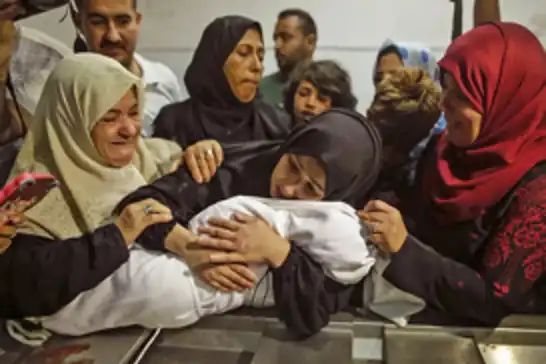
Nearly 22,000 Palestinian children have been killed in Israel’s war on the Gaza Strip, including 1,125 infants under the age of one, while hundreds of thousands face hunger, displacement and the collapse of essential services, Gaza’s Government Media Office said on Sunday.
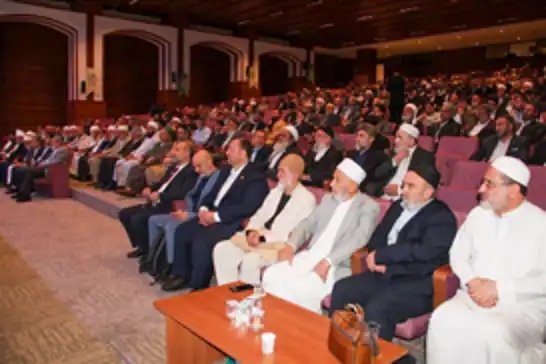
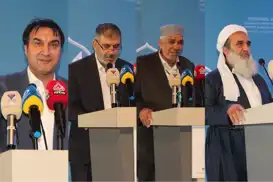
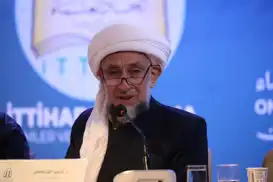
The 11th Scholars’ Meeting, organized by the Union of Scholars and Madrasas (İTTİHADUL ULEMA), is continuing in Diyarbakır on its second and final day, bringing together Islamic scholars, academics and preachers from Türkiye and several countries.