Islamic scholars urge Muslim unity, respect for differences at Diyarbakır meeting
 13 oC
13 oC 
Güneşli

Islamic scholars have called on Muslims to strengthen unity, respect differences of opinion and preserve brotherhood, warning that extremism and sectarian divisions threaten the Muslim community.
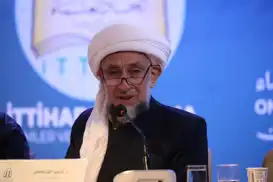
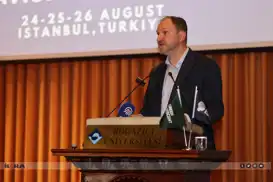
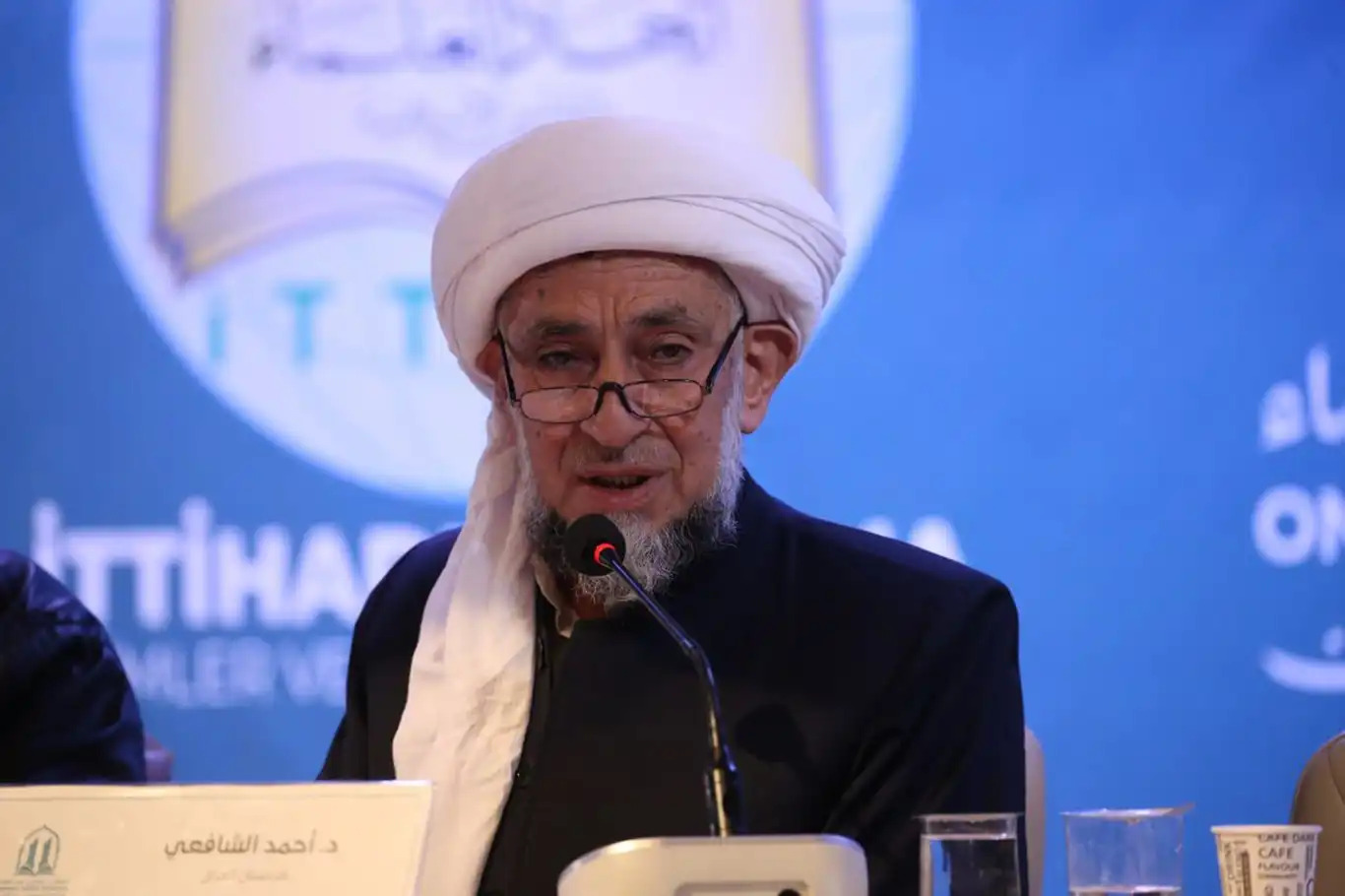
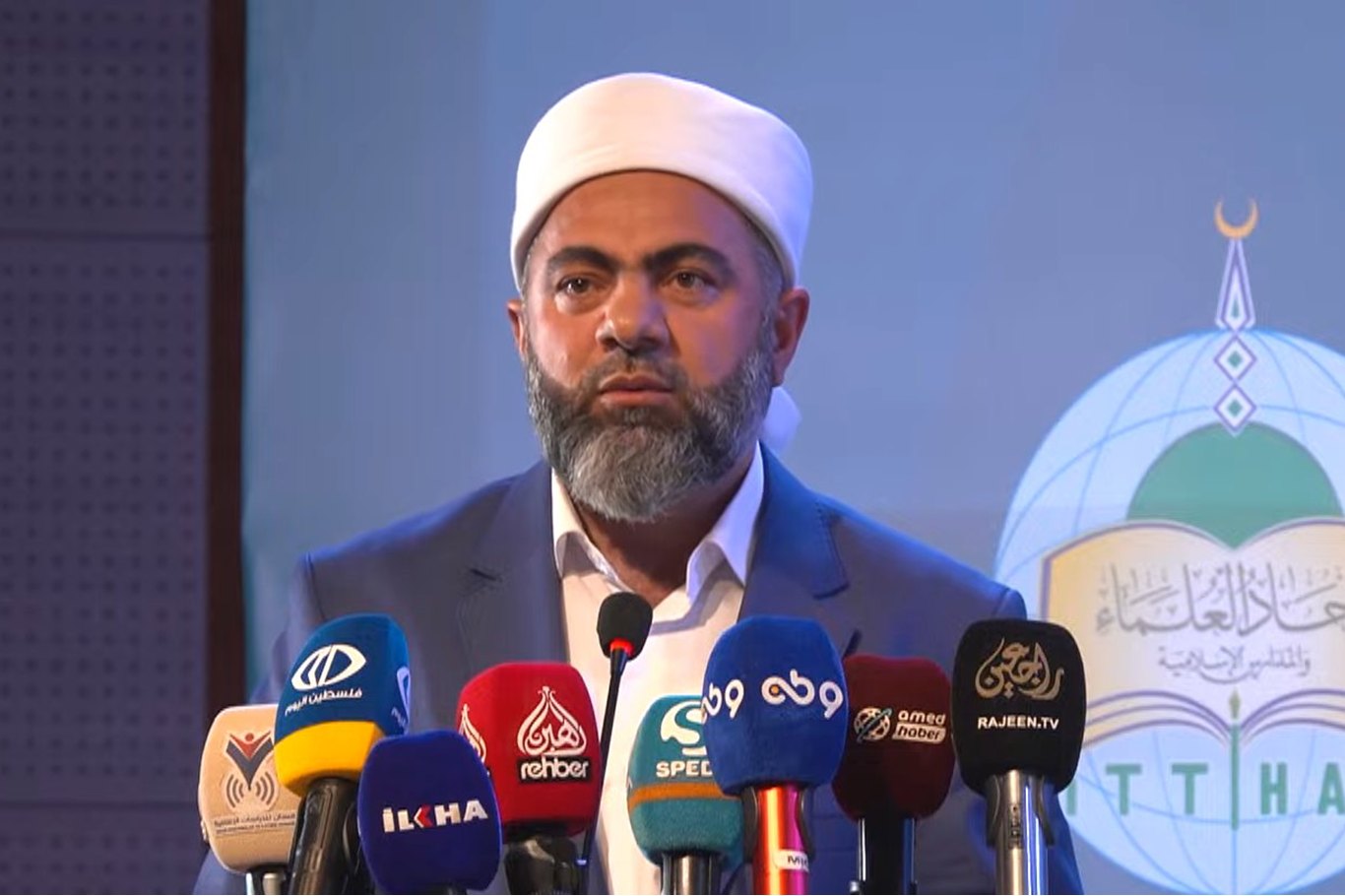
Speaking at the 11th Traditional Scholars’ Meeting organized by İTTİHADUL ULEMA in Diyarbakır, Iraqi Kurdistan-based scholar Dr. Ahmad Shafii said the Muslim community’s cohesion rested on two principles: the ethics of disagreement and the duty to preserve brotherhood.
In a speech titled “The Two Pillars That Will Keep the Ummah Standing,” Şafii said scholars must guide the community as well as convey religious knowledge. He stressed that Muslims did not have to agree on every issue and that differences could be constructive when approached with fairness and respect.
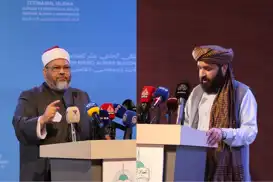
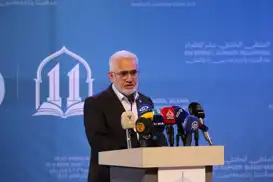
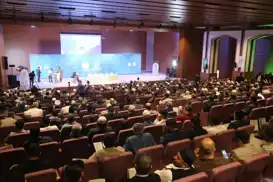
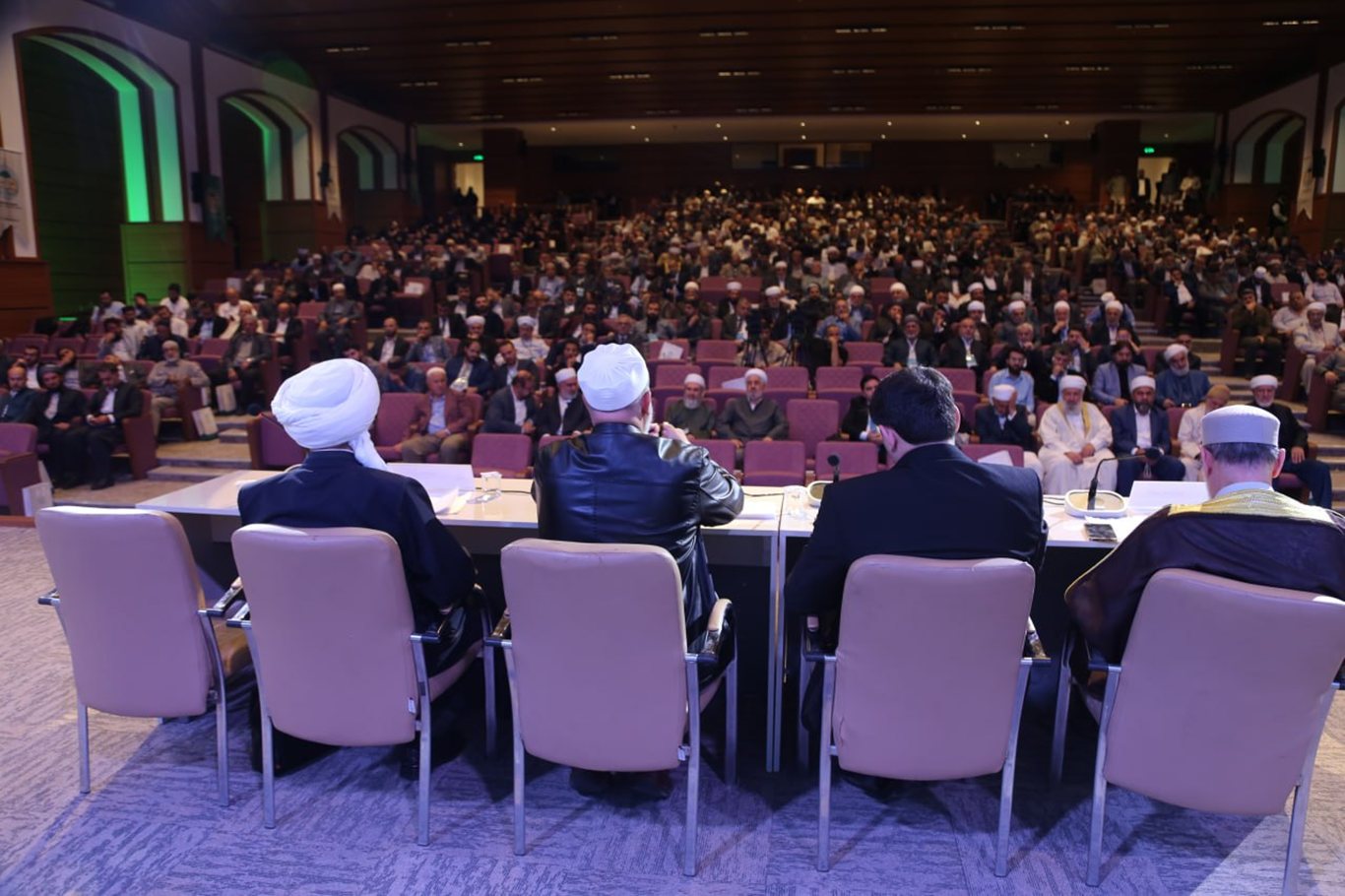
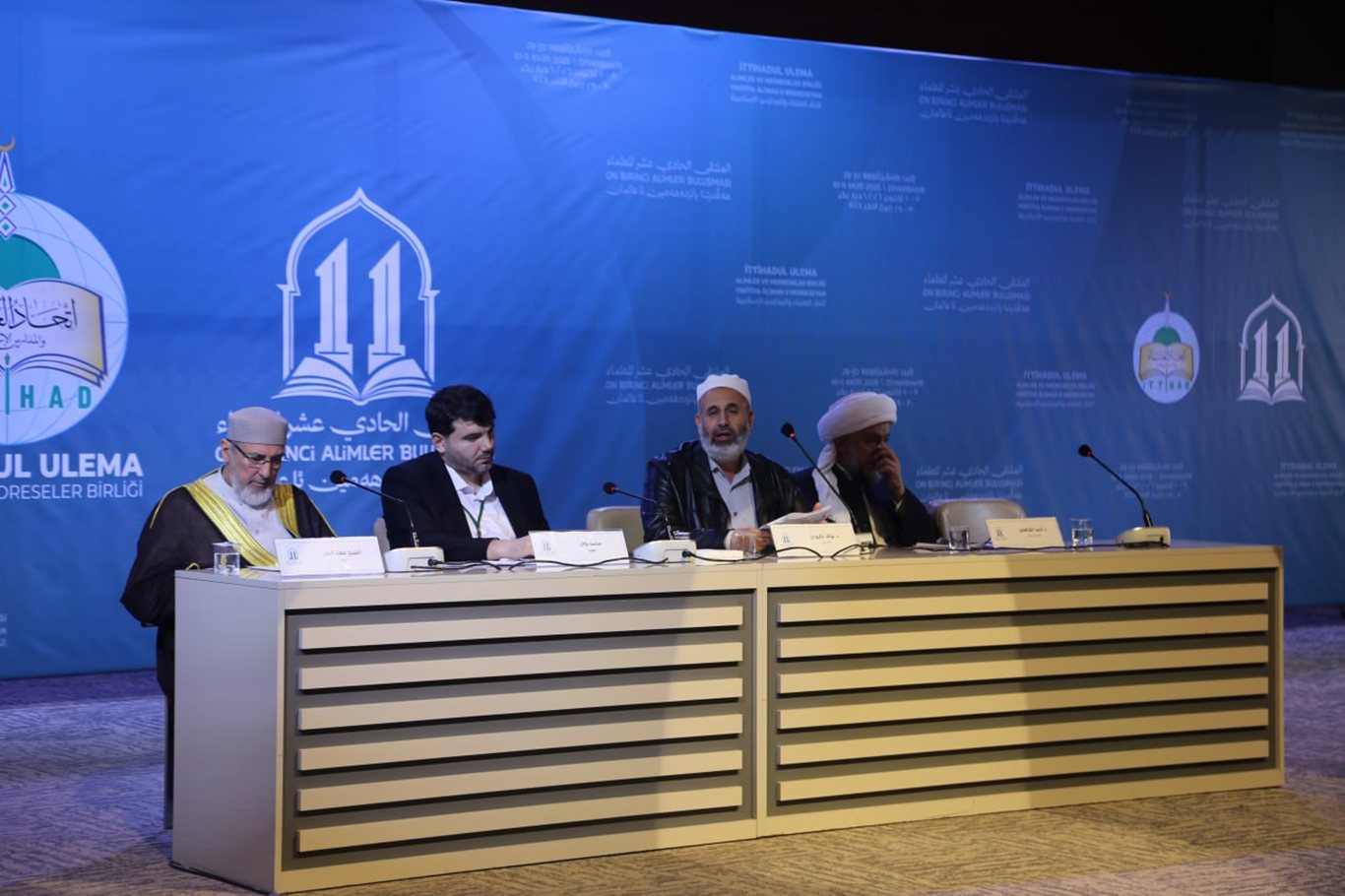
The two-day gathering, held at the Selahaddin Eyyubi Mosque Conference Hall in Diyarbakır’s Yenişehir district, brings together scholars and academics to discuss Islamic outreach (dawah), Muslim unity and new approaches to conveying the message of Islam.
Scholars must guide the Muslim ummah
Şafii said some of the challenges facing the Islamic world stem from extremism and excessiveness, whose effects can be felt across social, economic, psychological and security-related spheres.
He emphasized that scholars and those engaged in Islamic outreach have a vital role to play in addressing these problems and guiding communities toward reform, peace and solidarity.
“Scholars have throughout history been the pioneers and guides of Muslim societies,” he said, noting that their contributions at critical moments have often helped shape the future of Muslim communities.
He urged scholars to encourage mutual respect, tolerance and peaceful coexistence while avoiding attitudes that deepen divisions.
Citing a narration attributed to Imam Malik, Şafii compared scholars to stars that guide people through darkness, saying Muslims need such guidance in times of uncertainty.
‘Islam does not require everyone to think alike’
Şafii stressed that differences of opinion are a natural part of religious and intellectual life and should never become a reason for hostility among Muslims.
“Islam has not made it obligatory for people to think the same on every matter,” he said, explaining that Islamic teachings provide clear moral principles for managing disagreements without undermining brotherhood.
He identified two essential principles for preserving the unity of the ummah: observing the ethics of disagreement and upholding the rights and responsibilities of brotherhood, even when differences arise.
According to Şafii, differing views can contribute to the development of Muslim society, provided they are discussed with fairness, humility and respect.
He urged Muslims to consider opposing arguments objectively, acknowledge the merits of other people’s views and remain open to the possibility that their own opinions may be mistaken.
He also called for respectful dialogue, warning against personal attacks, mockery, accusations and attempts to question the intentions of those who disagree.
Imam Shafi‘i’s example: Disagreement must not destroy brotherhood
To illustrate his point, Şafii recounted a story attributed to Imam Shafi‘i and his student Yunus ibn Abdula‘la.
According to the account, the two disagreed over a religious ruling, prompting Yunus to leave the study circle in anger. Later that night, Imam Shafi‘i visited his student at home and reminded him that a single disagreement should not destroy a relationship built on agreement across many other issues.
“O Yunus! We act together on hundreds of issues; shall we lose our brotherhood because we could not agree on one issue?” Imam Shafi‘i is reported to have asked.
Şafii said the story offers an important lesson: disagreeing with someone’s opinion does not mean becoming an enemy of the person who holds it.
The purpose of a discussion, he explained, should be to seek the truth rather than defeat or humiliate an opponent.
“Sometimes what is more important than being proven right in a discussion is being able to preserve the bonds between ourselves and people,” he said, urging Muslims to build bridges rather than allow disagreements to drive them apart.
Warning against takfir and division
Şafii warned that differences of opinion can cause serious harm when they turn into hostility, mutual accusations or takfir — declaring another Muslim an unbeliever.
Such attitudes undermine trust, prevent cooperation and deepen divisions within the Muslim ummah, he said.
He called on scholars and Islamic outreach workers to set an example by presenting Islam in a balanced manner, avoiding extremism and treating those with differing views respectfully.
He also urged Muslims to focus on their shared interests, work together on common concerns and stand united when the fundamental rights, security and future of the Muslim community are at stake.
“Our views may be different; but our brotherhood must continue,” Şafii said, emphasizing that Muslim solidarity must remain stronger than the disagreements that arise between individuals and groups.
Scholars and madrasas have a vital role
Şafii also highlighted the historical role of Islamic scholars and madrasas in defending the teachings of Islam against extremism and misinterpretation.
He stressed that Islam should not be blamed for wrongdoing committed in its name, calling for a clear distinction between the religion’s principles and the actions of those who exploit them.
He urged Muslims to recognize and support scholars and Islamic outreach workers who continue their work despite the difficulties they face.
Arvasi calls for greater emphasis on Islamic education
During the discussion session following Şafii’s speech, Mustafa Arvasi also highlighted the responsibility of scholars in guiding society and safeguarding social stability.
Arvasi said Türkiye was moving away from a period of turmoil but warned of what he described as attempts to drag the country back into chaos and unrest.
He called on scholars to expand Islamic outreach so that the message of Islam reaches every home and every tradesperson.
Arvasi also emphasized the importance of madrasas, arguing that religious education must be accompanied by good character, love of religion and solidarity among Muslims.
“First manners, first love of the homeland, love of religion, love of Islam and Muslims must come; then knowledge comes,” he said, adding that knowledge without good character would not lead to genuine progress.
The opening session concluded with participants sharing their views on the responsibilities of scholars and the challenges facing Muslim communities.
The discussions underscored a central message of the gathering: the strength of the Muslim ummah depends not only on religious knowledge, but also on good character, mutual respect and a commitment to preserving brotherhood despite differences of opinion. (ILKHA)
LEGAL WARNING: All rights of the published news, photos and videos are reserved by İlke Haber Ajansı Basın Yayın San. Trade A.Ş. Under no circumstances can all or part of the news, photos and videos be used without a written contract or subscription.
Thousands of people took to the streets in Van, eastern Türkiye, to mark the third anniversary of the Al-Aqsa Flood operation, reaffirming their solidarity with the Palestinian people and their support for the ongoing struggle against the Israeli occupation.
Islamic scholars from Türkiye and around the world have called for more effective methods of Islamic outreach, emphasizing the use of modern technology, the importance of exemplary Muslim character and the duty to support Palestinians in Gaza and defend Al-Aqsa Mosque.
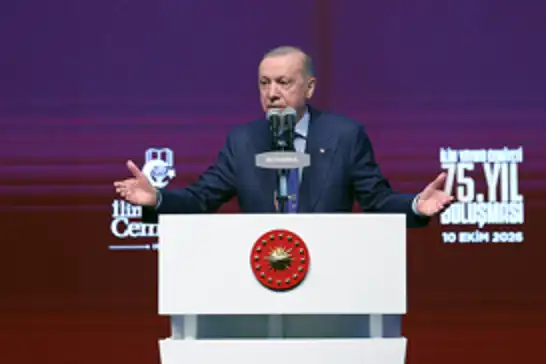
Turkish President Recep Tayyip Erdoğan has stressed the importance of investing in younger generations, describing people as the country’s greatest treasure and well-raised youth as its most valuable legacy.