France launches massive cattle vaccination amid farmer protests over culling policy
 13 oC
13 oC 
Güneşli

The French government has announced an emergency campaign to vaccinate nearly one million cattle against lumpy skin disease in the coming weeks, as it seeks to contain a growing outbreak amid fierce and sometimes violent protests from farmers opposed to compulsory herd culls.
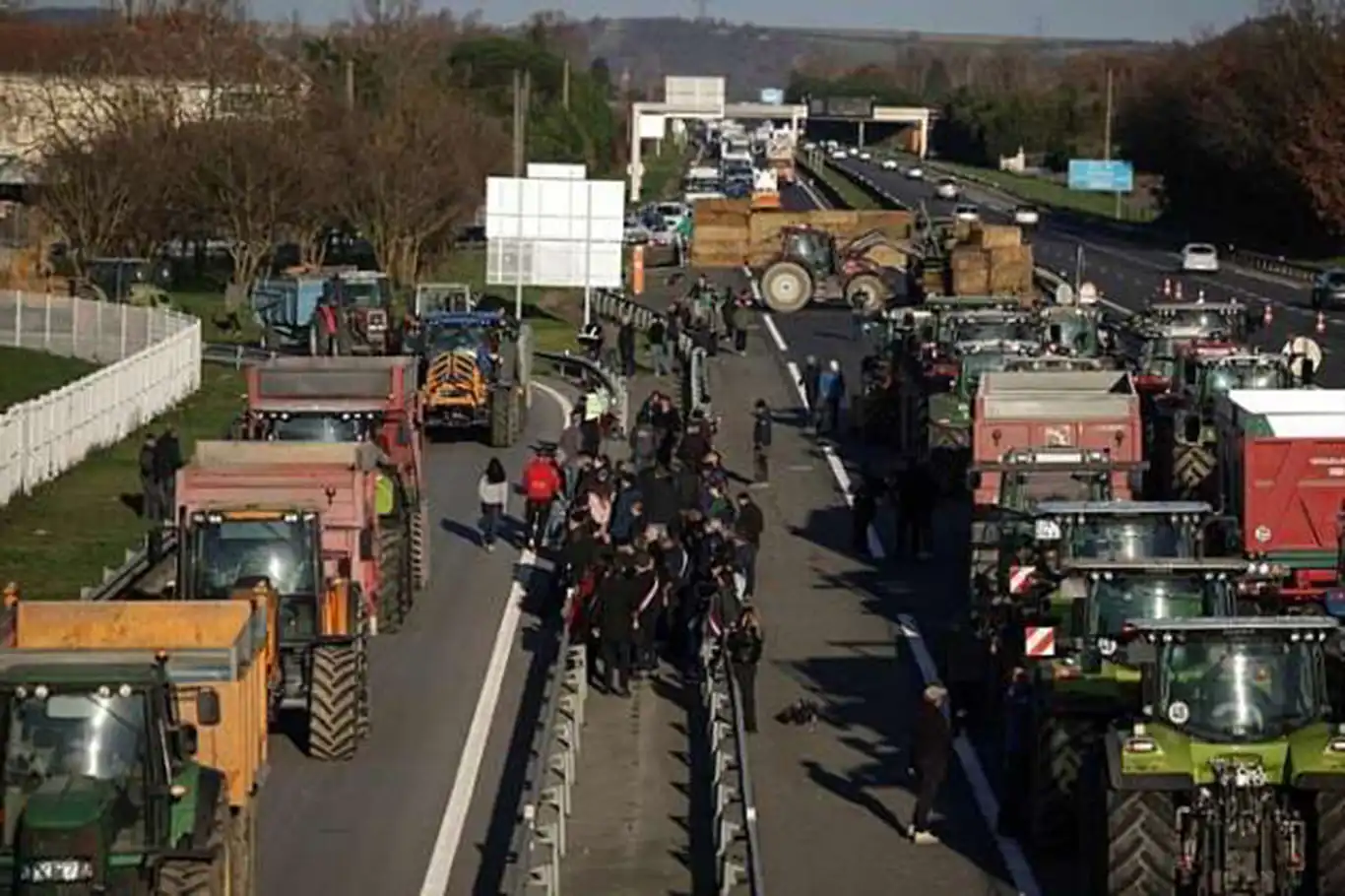
Agriculture Minister Annie Genevard confirmed the ambitious plan on Saturday, framing it as a critical step to protect both animal health and the economic future of the agricultural sector. The move comes as nationwide demonstrations intensify, with farmers blockading major motorways and clashing with police in response to a government mandate to slaughter infected herds—including asymptomatic animals.
"The objective is to stop the spread of the virus," Genevard stated in a radio interview with ICI. "We will vaccinate nearly one million animals in the coming weeks and protect farmers." She reiterated that the state would cover all vaccination costs and compensate farmers for both direct losses and operational impacts.
The epicenter of the crisis is in southwestern France, where a new outbreak was recently detected in Haute-Garonne, near the Spanish border. The region has seen farmers dump manure near public buildings and barricade roads, including the A64 motorway south of Toulouse, where around 400 farmers and 60 tractors maintained a blockade into Saturday.
Tensions reached a flashpoint in the Ariège department this week, where hundreds of farmers blocked access to a farm where more than 200 cattle were slated for culling. Police deployed tear gas to disperse protesters before government veterinarians proceeded with the slaughter.
Farmers argue that the policy of culling entire herds is disproportionate and devastating to family-run operations. "They are destroying our livelihoods over a disease that isn't even fatal in most cases," one protester told local media.
The highly contagious virus, spread by insects, poses no risk to humans but causes severe blisters, reduces milk production, and can trigger damaging international trade restrictions. To curb its spread, authorities have extended mandatory vaccination to all cattle across a broad zone covering several southwestern departments and banned most animal movements out of the area.
Despite the vaccination push, Minister Genevard defended the culling strategy as non-negotiable in infected herds, especially where asymptomatic cases could silently spread the virus. Officials warn that without aggressive containment, the outbreak could kill "at the very least, 1.5 million cattle" and jeopardize crucial export markets.
The government's approach has split the farming community. The leading union, FNSEA, supports the combined vaccination and culling strategy as necessary to avoid wider trade bans. In contrast, rival unions like the Confédération Paysanne and Coordination Rurale have called for widespread blockades, advocating for targeted measures and quarantine over blanket slaughters.
France's outbreak is part of a wider European concern, with Spain having confirmed its first case earlier this year. Both countries are now coordinating surveillance and control efforts along their shared border.
As vaccination teams mobilize across the southwest, the French government faces the dual challenge of controlling a fast-spreading animal disease and managing a profound rift with the farmers it aims to protect. (ILKHA)
LEGAL WARNING: All rights of the published news, photos and videos are reserved by İlke Haber Ajansı Basın Yayın San. Trade A.Ş. Under no circumstances can all or part of the news, photos and videos be used without a written contract or subscription.

Venezuelan Defense Minister Vladimir Padrino López has sharply accused the United States of deliberately escalating tensions and seeking to provoke a military conflict in Latin America and the Caribbean.
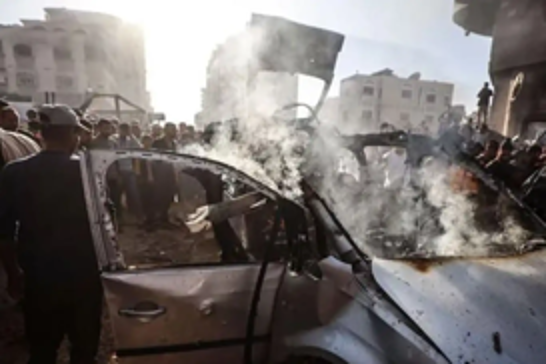
Four Palestinians were killed on Saturday afternoon after an Israeli drone bombed a civilian vehicle near the Nabulsi junction, southwest of Gaza City, in what Palestinian sources described as a fresh violation of the ceasefire agreement.
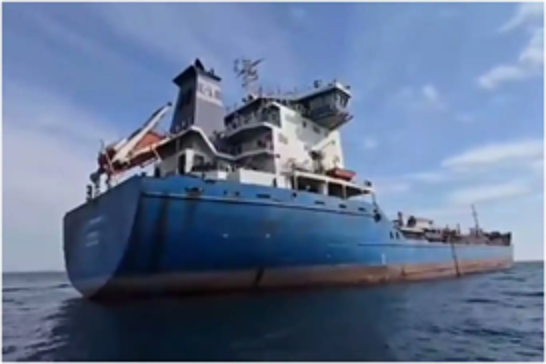
Iranian authorities have seized a foreign oil tanker carrying approximately 6 million liters of smuggled diesel fuel in the Sea of Oman, in what officials described as a major operation against organized fuel trafficking networks in the region.