Guterres: Ending the war is only way to address health and humanitarian crises in Yemen
 13 oC

Güneşli

Ending the war is the only way to address the health, humanitarian and human development crises in Yemen, said UN Secretary-General, Antonio Guterres, in his speech at the virtual pledging conference for Yemen.
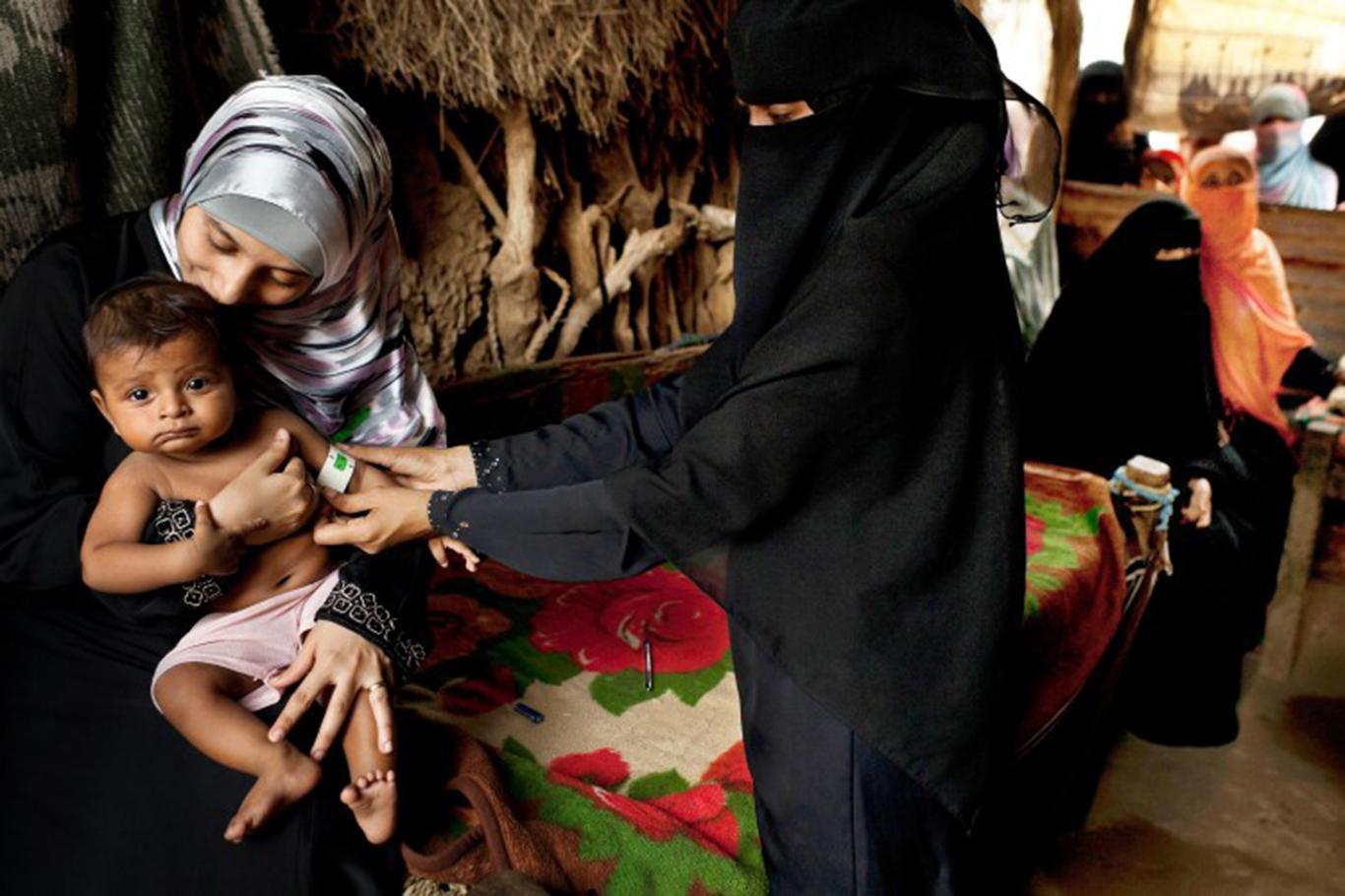
Noting that more than five years of conflict have left Yemenis hanging on by a thread, their economy in tatters, their institutions facing near-collapse, Guterres said: “Four people out of every five, 24 million people in all, need lifesaving aid in what remains the world’s largest humanitarian crisis. Two million Yemeni children are suffering from acute malnutrition, which could stunt their growth and affect them throughout their lives. Since the start of the year, some 80,000 more people were forced from their homes, bringing the total displaced to almost 4 million. Cholera continues to threaten lives with 110,000 people contracting it so far this year. The recent floods have raised the risk of malaria and dengue fever. “
Guterres reminded that on 10 April, the first confirmed case of COVID-19 was reported in Yemen, adding that the pandemic poses a terrifying threat to some of the most vulnerable people in the world, weakened by years of conflict, and with a health system that is already on the brink of collapse.
“There are shortages of testing devices, oxygen, ambulances and basic protective equipment”
“Since then, reported cases are in the hundreds and are highly likely to be undercounted, since testing rates are some of the lowest in the world. There is every reason to believe that community transmission is already underway across the country. We are in a race against time. Reports indicate that in Aden, mortality rates from COVID-19 are among the highest in the world. That is just one sign of what lies ahead, if we do not act now. Just half of Yemen’s health facilities are operational. There are shortages of testing devices, oxygen, ambulances and basic protective equipment. Many healthcare workers are among those who have contracted the virus. Even hospitals that are operational and equipped may not have a reliable electricity supply.”
He underlined that public health measures are particularly challenging in a country where trust in the authorities is weak, and fifty percent of the population do not have access to clean water to wash their hands.
“Tackling COVID-19 on top of the existing humanitarian emergency requires urgent action,” Guterres noted.
Emphasizing that the pandemic is making it even more difficult and dangerous for humanitarian workers to reach Yemenis with lifesaving aid, Guterres went on to say: “We must preserve the major humanitarian aid operation that is already underway – the world’s largest – while developing new public health programmes to fight the virus and strengthen healthcare systems. We have already made a start, supporting rapid response teams across the country, procuring essential supplies, and working with frontline health workers and communities to get information out to millions of people. But we need to do much more.”
“Aid agencies will need up to $2.41 billion to cover essential aid from June until December”
“This requires increased funding. So far this year, that has not been forthcoming. We have never had so little money for aid operations in Yemen this late in the year. Aid agencies estimate they will need up to $2.41 billion to cover essential aid from June until December, including programmes to counter COVID-19. Unless we secure significant funding, more than 30 out of 41 major United Nations programmes in Yemen will close in the next few weeks.” (ILKHA)
LEGAL WARNING: All rights of the published news, photos and videos are reserved by İlke Haber Ajansı Basın Yayın San. Trade A.Ş. Under no circumstances can all or part of the news, photos and videos be used without a written contract or subscription.

Nearly 2,200 migrants have reached Spain's Canary Islands by boat over two days, as a sharp increase in arrivals along the Atlantic migration route puts additional pressure on reception facilities and emergency services across the archipelago.

Abdul Qader Mortada, head of Yemen's National Committee for Prisoners' Affairs, has announced the release of 600 prisoners held by his side, describing the move as the largest unilateral prisoner release in the history of the conflict.
Iran has accused the International Atomic Energy Agency (IAEA) of abandoning its technical and impartial role in favour of a politically driven agenda aligned with Washington, warning that the agency's biased conduct and failure to condemn US-Israeli aggression against Iranian nuclear facilities have severely undermined its credibility.
Khalil Al-Hayya, head of Hamas's political bureau, has urged Arab and Islamic countries to take immediate and concrete action to confront the worsening humanitarian catastrophe in the Gaza Strip, as Israel's continued restrictions on humanitarian aid and the onset of winter further compound the suffering of displaced Palestinian families.