US launches large-scale air and artillery strikes on ISIS positions in Syria
 13 oC
13 oC 
Güneşli

The United States on Friday launched extensive air and artillery strikes against ISIS positions across central Syria as part of what it described as a major retaliatory operation following a deadly attack on US forces near Palmyra.
Secretary of War Pete Hegseth announced that the operation, dubbed “Operation Hawkeye Strike,” was carried out under the direction of President Donald Trump and targeted ISIS fighters, infrastructure, and weapons depots. The strikes were launched in response to an attack on December 13 near Palmyra that killed two US soldiers and one US civilian.
In a statement posted on X, Hegseth said the operation did not constitute a declaration of war but was an act of retaliation. He warned that attacks on American forces would be met with overwhelming force, stating that those responsible would be pursued and eliminated.
According to an anonymous US official cited by The New York Times, American fighter jets, attack helicopters, and artillery struck dozens of suspected ISIS sites, including weapons storage facilities and fortified buildings across central Syria. The official described the assault as a “large-scale attack” expected to continue for several hours into early Saturday local time.
Later on Friday, US Central Command confirmed it was conducting a broad military operation against ISIS infrastructure and weapons depots in Syria.
Syrian state television reported that aircraft from the International Coalition targeted ISIS positions in multiple areas, including the Maadan Desert in the Raqqa countryside, the Hammad Desert in Deir Ezzor province, and Mount al-Amour. Residents in several regions reported hearing explosions across wide areas of the country, indicating the breadth of the strikes.
The escalation follows an ambush last week near Palmyra, where the US military said a lone ISIS gunman opened fire on American personnel, killing two service members and a US civilian and wounding three additional troops. The attacker was later killed.
However, three local Syrian officials and Syria’s Interior Ministry later told Reuters that the attacker was a member of Syrian security forces. The ministry said the individual did not hold a leadership position, though it did not clarify his exact role or how he came to carry out the attack.
Following the incident, President Trump vowed “very serious” retaliation. In a post on Truth Social, he said the attack was carried out in a volatile area not fully under Syrian government control and noted that Syrian President Ahmed al-Sharaa was “extremely angry and disturbed” by the incident.
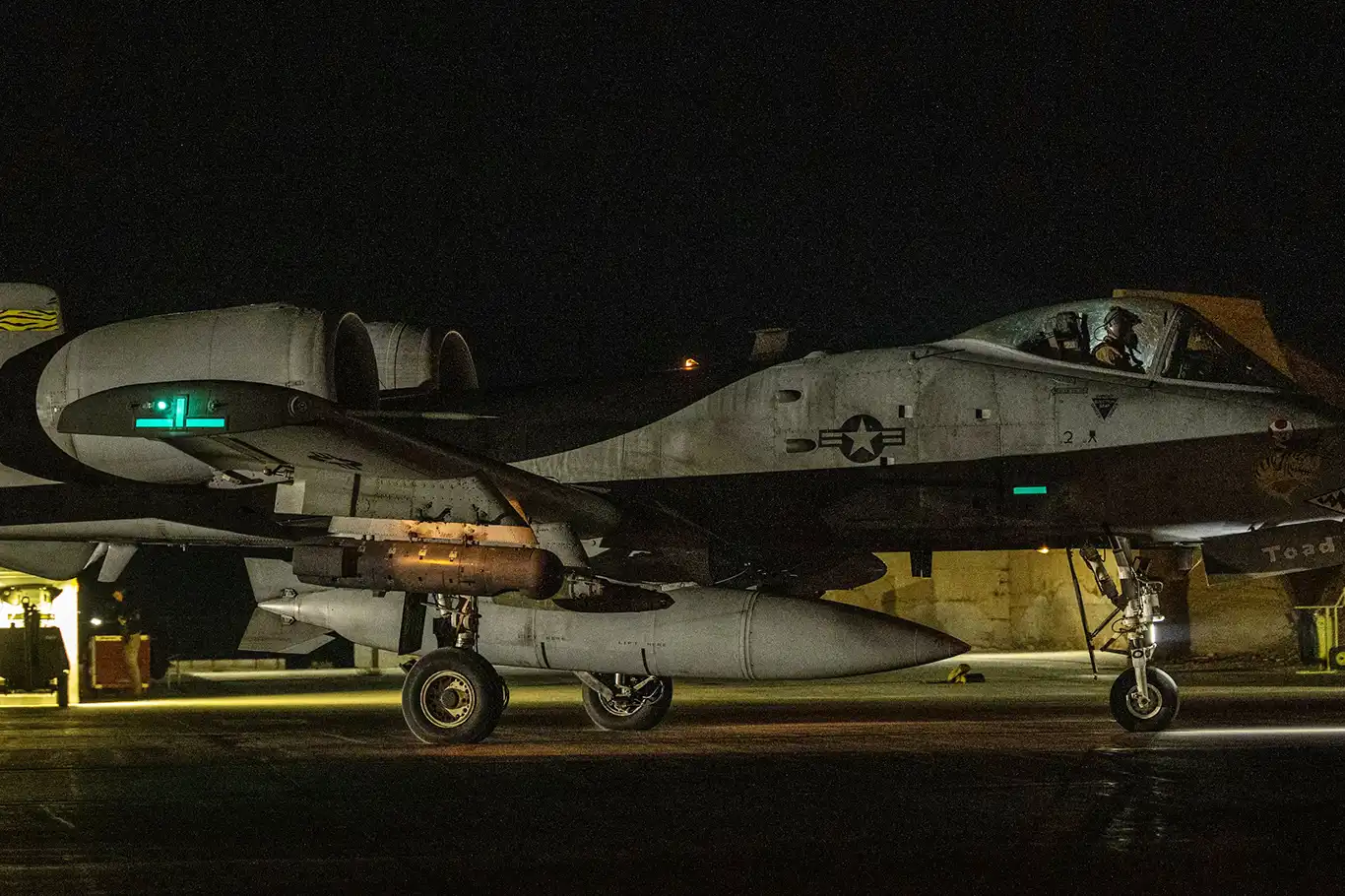
Shortly after the attack, US military aircraft conducted a show of force over Palmyra, with A-10 attack jets flying at low altitude, deploying flares, and performing aggressive maneuvers intended to deter further attacks and pressure armed groups in the area.
On Friday, ISIS released its first public statement regarding the Palmyra incident. While stopping short of explicitly claiming responsibility, the group said an attack on an international coalition convoy had “struck the heart of its enemies.”
In its statement, the group claimed that the attack targeted US forces and Syrian armed factions opposed to it, describing the incident as a significant blow. The statement marked ISIS’s first direct commentary on the events that triggered the latest US military operation. (ILKHA)
LEGAL WARNING: All rights of the published news, photos and videos are reserved by İlke Haber Ajansı Basın Yayın San. Trade A.Ş. Under no circumstances can all or part of the news, photos and videos be used without a written contract or subscription.
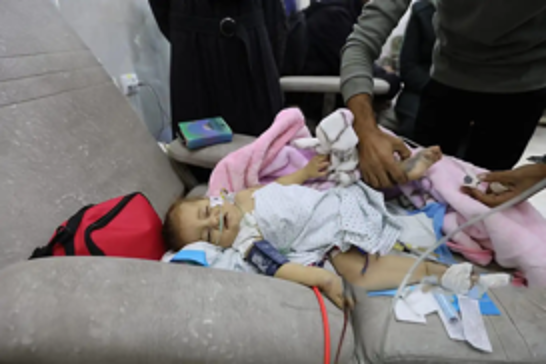
At least five Palestinians were killed on Friday when Israeli shelling struck a school-turned-shelter in eastern Gaza City, according to Gaza’s Civil Defence, transforming what had been a wedding celebration for displaced residents into a scene of devastation and bloodshed.
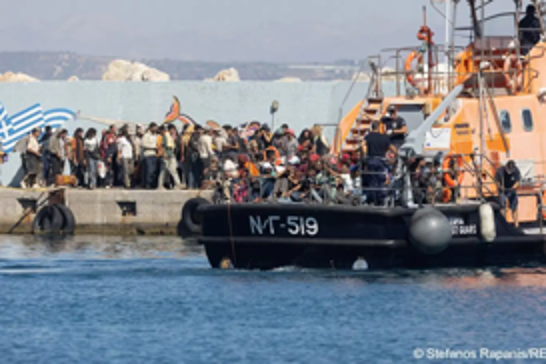
Greek authorities rescued more than 540 migrants from an overcrowded fishing boat south of Crete on Friday, highlighting a sharp and dangerous rise in arrivals from Libya to Greece’s remote southern islands.
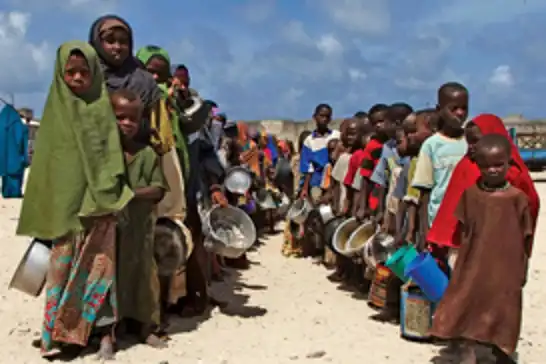
The World Food Programme (WFP) has warned that global food insecurity will remain at alarmingly high levels in 2026, with conflict, climate shocks and economic pressures pushing hundreds of millions of people deeper into hunger, according to its 2026 Global Outlook report.