Hamas Leader Al-Hayya says Al-Aqsa Flood shattered Israeli ‘strategic deterrence’ claim
 13 oC
13 oC 
Güneşli

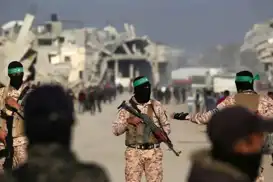
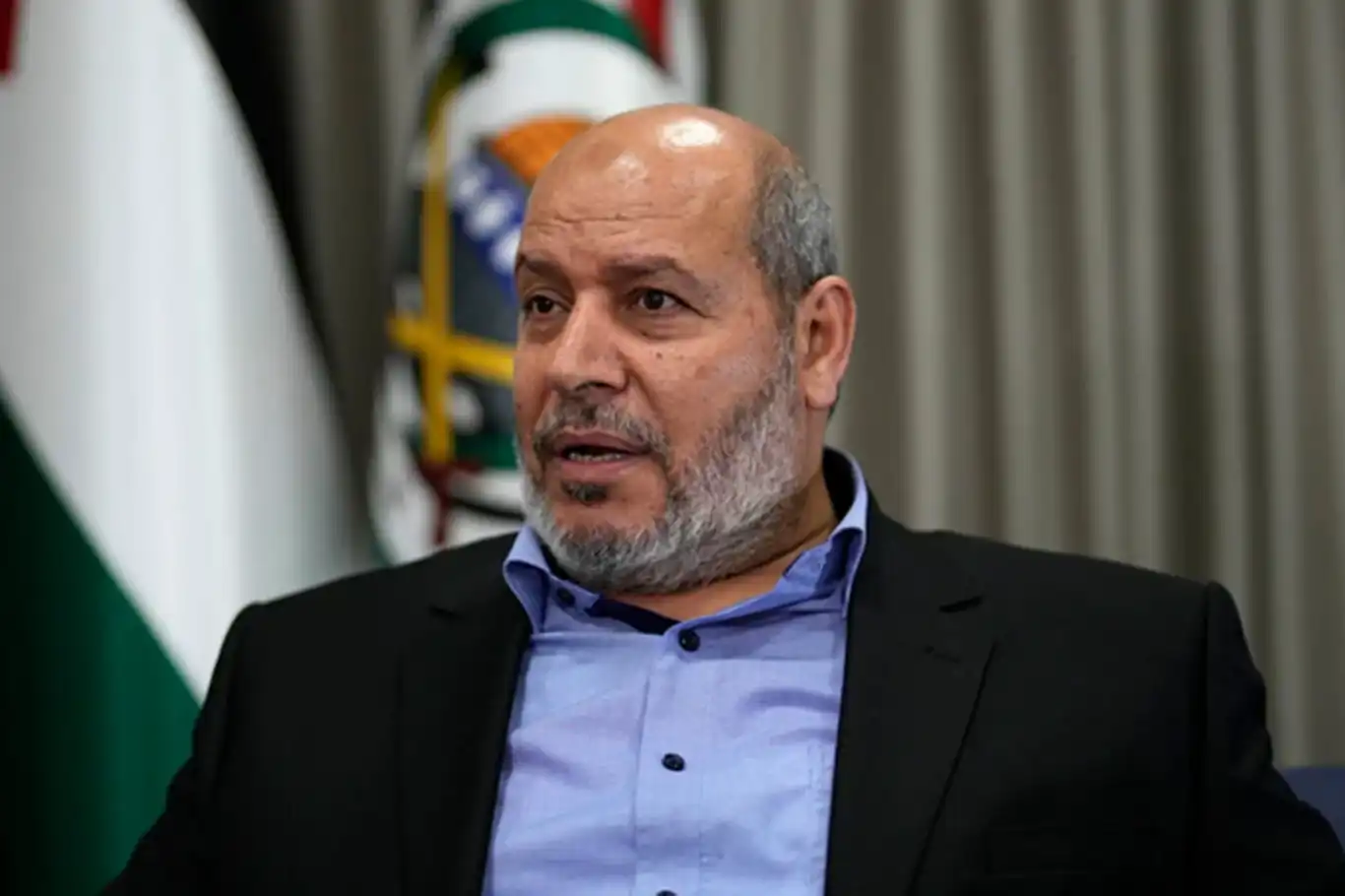
Hamas’ Gaza leader Khalil al-Hayya has said that the Al-Aqsa Flood operation dismantled the Zionist regime’s long-promoted claim of “strategic deterrence,” stressing that the Palestinian cause has entered a historic turning point.
Speaking at an event marking the 38th anniversary of Hamas’ founding, al-Hayya stated that the operation exposed the fragility of the occupation’s security doctrine and ended the myth of its military superiority. He said the current phase presents a critical opportunity for Palestinians to reclaim their legitimate rights.
Al-Hayya underlined that the Palestinian people in Gaza have paid an enormous price due to ongoing attacks, noting that more than 70,000 Palestinians, most of them women and children, have been martyred. He described the scale of destruction as unprecedented, while affirming that the resistance has remained standing despite the aggression.
Paying tribute to senior resistance figure Raed Saad, known as “Abu Muaz,” al-Hayya said he symbolized decades of steadfast resistance under constant pursuit by the occupation forces.
Addressing developments in the West Bank, al-Hayya said Palestinians are facing systematic terror through coordinated military raids and settler violence. He added that cities and villages are being suffocated by checkpoints, iron gates, and closures, while in Jerusalem, the identity of Al-Aqsa Mosque is being directly targeted through attempts to impose a temporal and spatial division.
Al-Hayya also drew attention to the situation of Palestinians inside the 1948 territories, saying they continue to face discrimination, repression, and dispossession, yet remain committed to their identity and national cause. He highlighted the harsh conditions in refugee camps, citing the Ain al-Hilweh camp as an example, where a recent attack claimed the lives of 13 children.
Commenting on the broader consequences of the war, al-Hayya said the resistance’s survival has proven that the occupation is not invincible. He noted that the Zionist regime has become increasingly isolated internationally, with its war crimes exposed to global public opinion. He added that normalization projects have suffered serious setbacks and that the Palestinian cause has returned to the center of the international agenda.
Outlining priorities for the coming period, al-Hayya stressed the need for full implementation of the ceasefire, the unimpeded entry of humanitarian aid, the rehabilitation of hospitals and infrastructure, the opening of the Rafah border crossing, and the complete withdrawal of occupation forces from Gaza. He said Hamas is ready to support the formation of an independent technocratic committee to manage Gaza during the reconstruction phase.
Al-Hayya emphasized that any international presence should be limited to guaranteeing the ceasefire, reaffirming that resistance and arms remain a legitimate right of peoples under occupation. He also warned of a deepening humanitarian crisis in Gaza amid harsh winter conditions, calling for urgent and accelerated aid.
Delivering a message of national unity, al-Hayya called on Palestinian factions to unite around a common national program, revive political life, and move toward elections. He stressed that the prisoners’ issue remains a central priority for the resistance.
Concluding his speech, al-Hayya honored the martyrs of Palestine, particularly Hamas founder Sheikh Ahmed Yassin, reaffirming that Hamas will continue on the path of resistance and will not abandon its principles.(ILKHA)
LEGAL WARNING: All rights of the published news, photos and videos are reserved by İlke Haber Ajansı Basın Yayın San. Trade A.Ş. Under no circumstances can all or part of the news, photos and videos be used without a written contract or subscription.

The death toll in the Gaza Strip has climbed to at least 70,665 Palestinians since the start of Israel’s military offensive on Oct. 7, 2023, medical sources confirmed on Monday, underscoring the devastating human cost of the ongoing assault on the besieged enclave.

The European Council has introduced a new criterion allowing the European Union to impose sanctions on individuals, entities, and bodies linked to actions or policies attributed to Belarus that undermine or threaten democracy, the rule of law, or the stability and security of the EU and its member states.

Ukrainian President Volodymyr Zelensky met with U.S. envoys in Berlin on Monday to continue discussions on a potential plan to end the Russia-Ukraine war.

Andrej Babiš was sworn in as the Czech Republic’s new prime minister on Monday following his victory in October’s parliamentary elections, marking a significant political shift that is expected to weaken Prague’s support for Ukraine and strengthen the influence of Europe’s populist right.