ICJ rules Myanmar committed genocide against Rohingya Muslims in landmark judgment
 13 oC

Güneşli

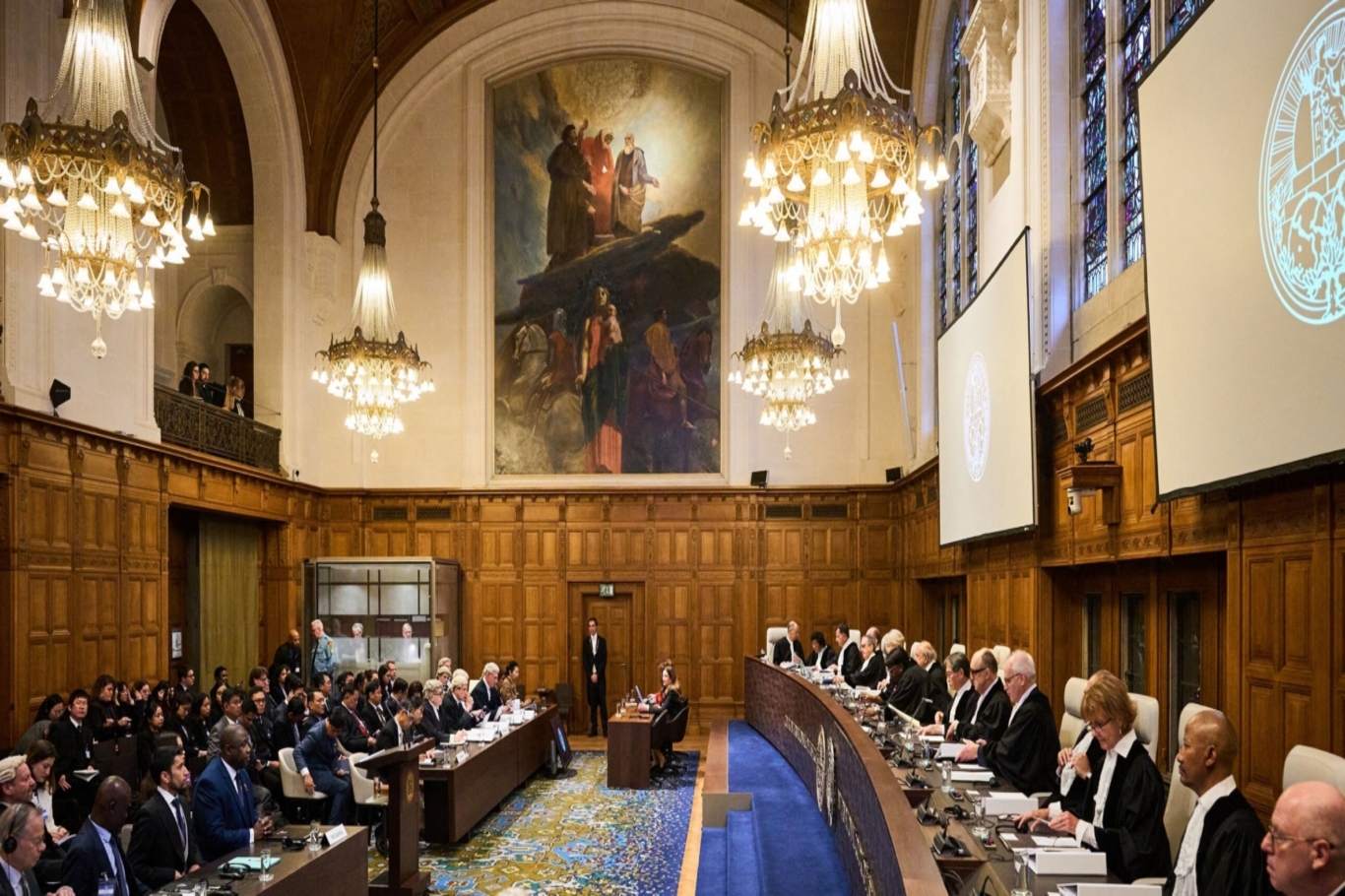
The International Court of Justice (ICJ), the United Nations’ highest judicial body, has ruled that Myanmar committed genocide against the Rohingya Muslim minority during the military's 2017 clearance operations in northern Rakhine State, marking a historic breakthrough in the community's long struggle for justice and accountability.
In a landmark judgment delivered on Thursday by a vote of nine to six, the court found Myanmar guilty of violating its obligations under the 1948 Convention on the Prevention and Punishment of the Crime of Genocide.
The court also ruled that Myanmar had failed to prevent genocidal acts committed by individuals operating alongside its security forces, punish those responsible, and adopt the legislation necessary to implement the Genocide Convention.
The judgment represents a major development in international efforts to hold states accountable for genocide and establishes a series of legally binding obligations for Myanmar to address the atrocities committed against the Rohingya.
Court orders investigations, prosecutions and compensation
In its ruling, the ICJ ordered Myanmar to take immediate and effective steps to investigate everyone reasonably suspected of involvement in acts prohibited under the Genocide Convention during the 2017 military operations and to prosecute and punish those responsible where warranted.
The court also ordered Myanmar to provide guarantees that such violations would not be repeated and to adopt measures to prevent future genocidal acts.
In a significant measure aimed at addressing the consequences of the atrocities, the court ruled that Myanmar must provide restitution to the Rohingya community, including facilitating the safe, voluntary and dignified return of displaced people to their places of residence.
It also ordered measures to reunite families separated by the violence, whether they were displaced within Myanmar or forced to flee abroad.
The court further ruled that Myanmar must compensate the Rohingya community and its members for the damage caused by its violations of the convention, insofar as restitution does not provide adequate reparation.
The amount and form of compensation will be determined in a subsequent phase of the proceedings. Myanmar has been given two years to submit a report detailing the restitution measures it has adopted and the proposed amount and arrangements for compensation.
Myanmar found responsible for failing to preserve evidence
The judgment also found that Myanmar had violated an earlier ICJ order issued on January 23, 2020, requiring it to take effective measures to prevent the destruction of evidence and preserve material relating to allegations of genocide.
The court ruled by 11 votes to four that Myanmar had failed to comply with this obligation, adding another significant finding to its judgment on the country's responsibility.
However, the court did not find that Myanmar had directly and publicly incited private individuals to commit genocide against the Rohingya. This particular finding was adopted by 14 votes to one.
The Gambia brought case with backing from Islamic countries
The proceedings began on November 11, 2019, when The Gambia filed a case against Myanmar, accusing it of violating the Genocide Convention through its treatment of the Rohingya.
The case was supported by the 57-member Organisation of Islamic Cooperation (OIC), which backed efforts to pursue accountability for the atrocities committed against the predominantly Muslim minority.
In January 2020, the ICJ ordered provisional measures requiring Myanmar to prevent acts of genocide and preserve relevant evidence.
Myanmar subsequently challenged the court's jurisdiction, but the ICJ rejected its preliminary objections in July 2022, confirming that it had jurisdiction to hear the case and that The Gambia's application was admissible.
Eleven countries later intervened in the proceedings concerning the interpretation of the Genocide Convention. Public hearings on the merits took place from January 12 to 29, 2026.
The court's final judgment is binding on both parties and cannot be appealed.
Years of persecution and mass displacement
The Rohingya have endured decades of systematic discrimination, persecution, and restrictions on their fundamental rights in Myanmar, where authorities have largely denied them citizenship and treated them as outsiders despite their generations-long presence in the country.
The persecution reached a devastating peak in August 2017, when Myanmar's military launched a large-scale offensive in northern Rakhine State.
The crackdown involved mass killings, widespread sexual violence, torture, and the destruction of Rohingya villages, forcing more than 730,000 people to flee across the border into Bangladesh.
A United Nations fact-finding mission previously concluded that senior Myanmar military officials should face prosecution for genocide, crimes against humanity, and war crimes.
Despite years of international condemnation, the Rohingya crisis remains unresolved. More than a million Rohingya refugees continue to live in overcrowded camps in Bangladesh, particularly in Cox's Bazar, facing severe shortages of food, healthcare, education, and adequate shelter.
Those remaining in Myanmar also continue to face discrimination, restrictions on movement, and limited access to essential services.
Landmark ruling carries wider implications for international justice
The ICJ judgment comes amid growing international debate over the effectiveness of international law and the accountability of states accused of committing grave violations.
It is also significant for other ongoing proceedings involving allegations of genocide, particularly South Africa's case against Israel over its military campaign in the Gaza Strip.
South Africa filed its case against Israel in December 2023, accusing the Israeli regime of violating the Genocide Convention through its military operations in Gaza. Israel has rejected the allegations.
Although the Myanmar judgment does not determine the outcome of the separate Gaza proceedings, its findings provide an important legal precedent concerning state responsibility, the prevention of genocide, and the obligations of governments under the convention.
For the Rohingya, the ruling represents long-awaited international recognition of the atrocities they have suffered. However, translating the judgment into accountability, compensation, and the safe and dignified return of displaced families remains the next major challenge. (ILKHA)
LEGAL WARNING: All rights of the published news, photos and videos are reserved by İlke Haber Ajansı Basın Yayın San. Trade A.Ş. Under no circumstances can all or part of the news, photos and videos be used without a written contract or subscription.

A Turkish delegation has held high-level meetings with Pakistani officials in Islamabad to strengthen bilateral cooperation in strategic communication, digital media, and combating disinformation.
The Hamas Movement has accused the US-led Board of Peace and its representative, Nikolay Mladenov, of complicity in Israel’s continued and systematic violations of the Gaza ceasefire agreement.
Israeli authorities released nine Palestinian detainees from the Gaza Strip, while the fate of thousands of other Palestinians reportedly held in Israeli military facilities and detention centres remains unknown, according to Palestinian prisoners' organizations.