India rejects Bangladesh allegations over Sheikh Hasina’s statements
 13 oC
13 oC 
Güneşli

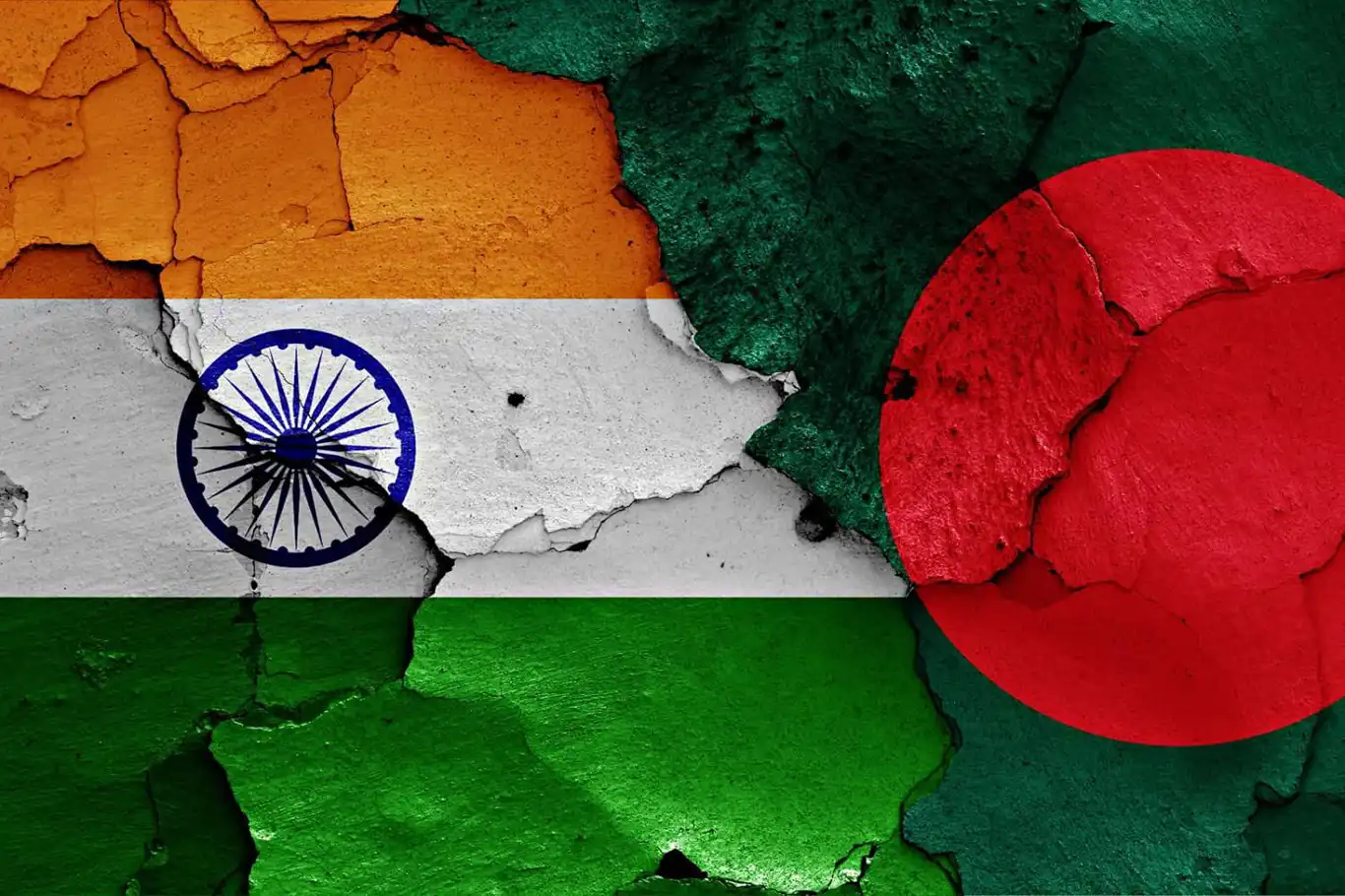
India on Sunday firmly rejected accusations by Bangladesh’s interim government that it is allowing exiled former prime minister Sheikh Hasina to issue incendiary statements from Indian territory aimed at inciting violence and terrorist activities ahead of Bangladesh’s parliamentary elections.
INThe rebuttal followed the summoning of Indian High Commissioner to Bangladesh, Pranay Verma, to Dhaka’s foreign ministry earlier in the day. During the meeting, Bangladeshi authorities lodged a formal protest over Hasina’s recent remarks from exile and renewed their demand for her extradition, along with that of former home minister Asaduzzaman Khan Kamal. Dhaka also sought India’s cooperation in the investigation into the attempted assassination of youth leader Sharif Osman Hadi.
In a strongly worded statement, India’s Ministry of External Affairs (MEA) said New Delhi “categorically rejects the assertions made by the interim Government of Bangladesh” and reiterated that it has never permitted its territory to be used for activities inimical to Bangladesh’s interests. The MEA reaffirmed India’s support for “free, fair and peaceful elections” in Bangladesh and urged Dhaka to ensure law and order in the run-up to the polls.
According to Bangladeshi officials, the summons was prompted by what they described as Hasina’s alleged calls for her supporters to disrupt the electoral process through violent means. The issue was further compounded by Dhaka’s request for assistance in tracking suspects linked to the December 12 shooting of Sharif Osman Hadi, convener of the Inquilab Mancha youth group. Hadi remains in a coma following the attack, which Bangladeshi authorities allege was orchestrated by Awami League fugitives operating from abroad, including India.
Indian officials said High Commissioner Verma conveyed New Delhi’s willingness to cooperate on mutual security concerns and its commitment to constructive engagement, despite what India views as unsubstantiated allegations. This marks at least the fifth time the Indian envoy has been summoned since the formation of Bangladesh’s interim government, underscoring persistent diplomatic friction over Hasina’s presence in India.
Sheikh Hasina fled Bangladesh on August 5, 2024, aboard a military aircraft amid mass student-led protests that ended her 15-year rule. The unrest, which began over controversial job quota policies, evolved into a broader uprising against alleged authoritarianism, human rights abuses and economic mismanagement, claiming more than 1,000 lives.
Following her ouster, the interim administration led by Nobel laureate Muhammad Yunus established the International Crimes Tribunal. In November 2025, the tribunal sentenced Hasina to death in absentia for crimes against humanity linked to the protest crackdown and formally invoked Bangladesh’s 2013 extradition treaty with India to seek her return.
Dhaka has accused Hasina of using social media and public messaging from exile to denounce the interim government as illegitimate and mobilise her Awami League supporters, actions it says pose a direct threat to national stability ahead of elections. India, which maintained close ties with Hasina during her tenure—viewing her as a key partner against extremism and growing Chinese influence—has so far stated that it is “examining” Bangladesh’s extradition request without committing to a decision.
With the two neighbours sharing a 4,000-kilometre border and deep economic, security and people-to-people ties, analysts warn that continued diplomatic strain could have wider regional implications. Both sides have publicly expressed support for dialogue, but with elections approaching and legal proceedings unresolved, there appears to be no immediate easing of tensions in sight. (ILKHA)
LEGAL WARNING: All rights of the published news, photos and videos are reserved by İlke Haber Ajansı Basın Yayın San. Trade A.Ş. Under no circumstances can all or part of the news, photos and videos be used without a written contract or subscription.

The death toll in the Gaza Strip has climbed to at least 70,665 Palestinians since the start of Israel’s military offensive on Oct. 7, 2023, medical sources confirmed on Monday, underscoring the devastating human cost of the ongoing assault on the besieged enclave.

The European Council has introduced a new criterion allowing the European Union to impose sanctions on individuals, entities, and bodies linked to actions or policies attributed to Belarus that undermine or threaten democracy, the rule of law, or the stability and security of the EU and its member states.

Ukrainian President Volodymyr Zelensky met with U.S. envoys in Berlin on Monday to continue discussions on a potential plan to end the Russia-Ukraine war.

Andrej Babiš was sworn in as the Czech Republic’s new prime minister on Monday following his victory in October’s parliamentary elections, marking a significant political shift that is expected to weaken Prague’s support for Ukraine and strengthen the influence of Europe’s populist right.