IndiGo cancels hundreds of flights, thousands of passengers stranded in India

 13 oC
13 oC 
Güneşli

India’s largest airline, IndiGo, canceled hundreds of domestic flights on Friday, deepening a nationwide aviation crisis that has left thousands of passengers stranded at airports across the country.
The disruptions, now entering their fourth day, stem from severe pilot shortages and the airline’s struggle to comply with newly implemented flight-duty and rest regulations.
IndiGo, which operates more than 2,300 flights daily and accounts for nearly 60% of India’s domestic air traffic, has faced mounting criticism over what officials describe as “planning inadequacies” and an inability to adjust staffing levels in line with the stricter safety rules. Senior officials within the Directorate-General of Civil Aviation (DGCA) confirmed that the majority of delays and cancellations were the result of insufficient pilot availability under the new mandatory rest requirements.
Passengers at major airports—including Delhi, Mumbai, Bengaluru, and Hyderabad—reported chaotic scenes as flights were abruptly delayed, rescheduled, or canceled without adequate communication from the airline. Some travelers were forced to disembark after boarding, while others endured long waiting hours with little to no information from ground staff.
Airport authorities in several cities issued advisories urging travelers to verify their flight status before heading to terminals, citing heavy congestion and mounting frustration among passengers.
IndiGo has announced that customers affected by canceled flights will receive full refunds. For passengers scheduled to travel between December 5 and 15, the airline is offering accommodation and meal support “where applicable.” However, many passengers complained on social media that they were left without assistance or clear guidance, further intensifying public anger.
The crisis has been fueled by recently introduced DGCA safety regulations aimed at improving pilot welfare. The new rules mandate extended rest periods and impose tighter restrictions on night-time flying. While IndiGo has requested temporary leeway to adjust its schedules, pilot unions have firmly opposed any relaxation of the rules, warning that doing so would compromise flight safety.
A representative from a major pilot association stated that fatigue risk “cannot be negotiated,” emphasizing that the regulations were introduced to prevent overwork and potential safety hazards.
The DGCA has directed IndiGo to submit a comprehensive corrective action plan, detailing new measures for pilot recruitment, training, duty scheduling, and operational risk mitigation. India’s Ministry of Civil Aviation has also expressed dissatisfaction with the airline’s crisis management strategy amid peak travel season.
The disruptions coincide with school holidays, the busy winter travel period, and India’s wedding season—traditionally one of the highest-demand periods for domestic air travel. The ripple effects have reached international travelers as well, with Singapore’s High Commissioner to India, Simon Wong, publicly acknowledging delays during his travel.
IndiGo has warned that a complete return to normal operations may not be possible until February 10, signaling that the aviation disruption could persist for weeks. Industry analysts predict broader impacts across India’s aviation sector if other airlines fail to stabilize staffing and scheduling under the new regulatory framework. (ILKHA)
LEGAL WARNING: All rights of the published news, photos and videos are reserved by İlke Haber Ajansı Basın Yayın San. Trade A.Ş. Under no circumstances can all or part of the news, photos and videos be used without a written contract or subscription.

U.S. Rep. Ilhan Omar (D–Minn.) issued a stark warning on Thursday, accusing former President Donald Trump of endangering Somali Americans and other immigrant communities through a pattern of inflammatory, anti-immigrant statements that she says has led to a surge in violent threats.
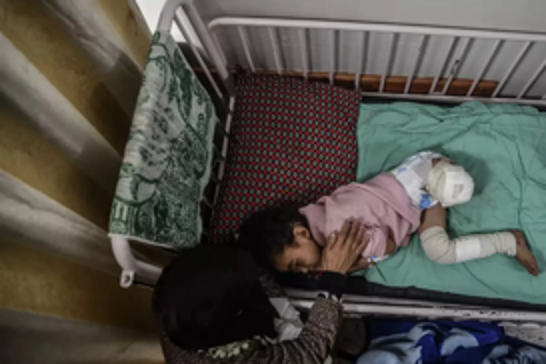
Nearly 42,000 people in Gaza are living with life-changing injuries as a result of the ongoing Israeli assault, the World Health Organization (WHO) has reported, underscoring the devastating scale of physical trauma inflicted on the population.
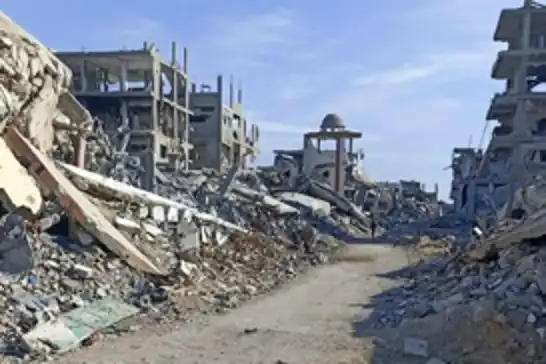
Despite an active ceasefire, the Israeli occupation forces carried out heavy bombardments across northern, central and southern Gaza overnight, with Palestinian sources reporting several martyrs, including two children.