Iran says Strait of Hormuz security impossible while US continues war
 13 oC
13 oC 
Güneşli

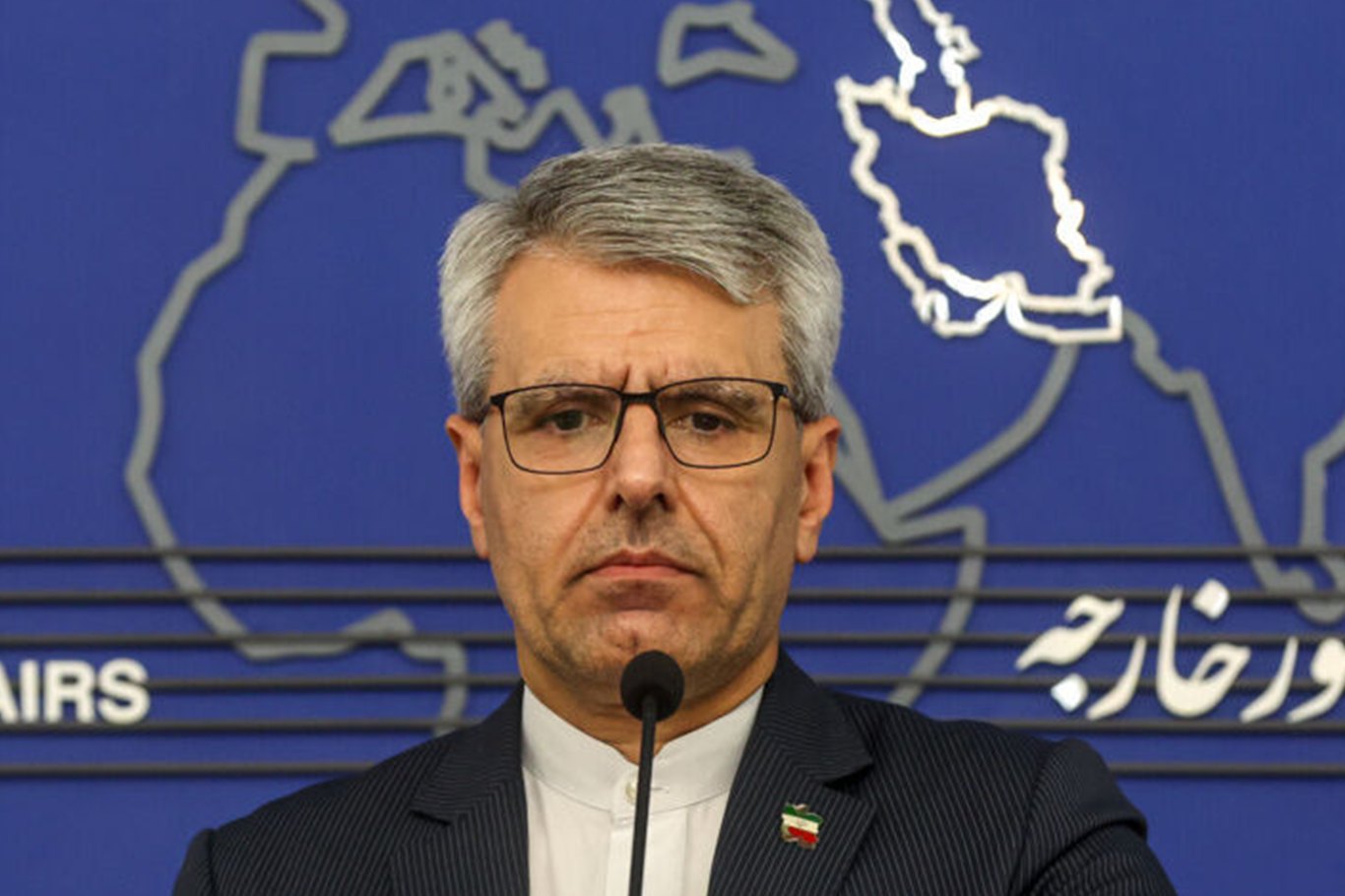
Iranian Foreign Ministry spokesperson Esmaeil Baqaei said Monday that security would not return to the strategic Strait of Hormuz as long as the United States continued its war, rejecting Washington’s claims that Tehran had lost its leverage and reaffirming Iran’s determination to defend its legitimate rights.
Speaking at a weekly press conference, Baqaei dismissed US President Donald Trump’s assertions about the strategic waterway, saying Washington’s claims did not reflect realities on the ground.
“The Americans can keep saying that Iran has lost its leverage, but we will continue doing our work,” Baqaei said, adding that markets operate according to their own dynamics and are not dictated by US rhetoric.
He stressed that the situation in the Strait of Hormuz was not the result of an Iranian effort to gain leverage, but stemmed from what Tehran describes as US and Israeli aggression against Iran and the wider region.
Iran’s actions, Baqaei said, had been taken in accordance with international law.
“As long as the US continues the war, security will not return to this waterway,” he said, arguing that Washington’s actions had created serious problems not only for the region but also for the wider world.
Baqaei said Tehran did not welcome the prevailing situation, but held the United States responsible for the insecurity surrounding one of the world’s most strategically important maritime routes.
Asked about remarks by Mohsen Rezaei, secretary of Iran’s Supreme National Security Council, regarding a response to the United States, Baqaei said communications through mediators were continuing.
He explained that the proposals discussed in New York concerned Iran’s legitimate demands and included seven points that had been extensively examined.
Among the key demands, he said, were the lifting of the blockade, an end to the war on all fronts and the release of Iran’s frozen assets.
“Whatever was included in the Islamabad memorandum of understanding remains in place,” Baqaei said, adding that Washington had imposed additional sanctions in the meantime and that those measures must also be lifted.
His remarks underscored Tehran’s position that any diplomatic progress must address the consequences of the conflict and the economic restrictions imposed on Iran, rather than focus solely on US demands.
Baqaei also criticized Washington for continuing to present Iran’s nuclear programme as its principal concern while repeatedly raising the prospect of nuclear weapons.
He said the proposals put forward so far had not been sufficient and stressed that Iran’s national interests must remain the priority under the current circumstances.
Tehran is reviewing the issues raised by Washington, Baqaei said, adding that Iran would convey its response to the mediators once that assessment was complete.
Iran’s position, as outlined by the spokesperson, is that a lasting resolution requires an end to hostilities, the removal of sanctions and the fulfillment of commitments, while rejecting pressure and claims that Tehran has been weakened. (ILKHA)
LEGAL WARNING: All rights of the published news, photos and videos are reserved by İlke Haber Ajansı Basın Yayın San. Trade A.Ş. Under no circumstances can all or part of the news, photos and videos be used without a written contract or subscription.
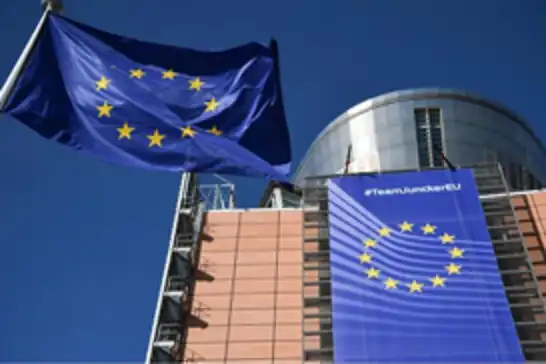
The European Union has adopted its 22nd sanctions package against Russia, adding 1,569 individuals and entities to its blacklist in what officials described as the bloc's largest single expansion of sanctions since the start of the war in Ukraine.
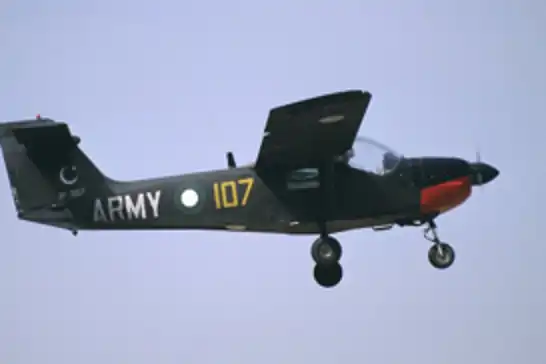
Two Pakistan Army pilots were killed after a Mushshak training aircraft crashed during a routine flight in Quetta, the capital of Balochistan province.
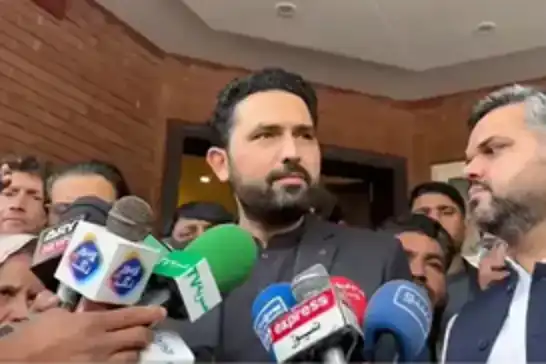
Pakistan has declared a state of emergency in northwestern Khyber Pakhtunkhwa province and suspended its provincial government, led by jailed former Prime Minister Imran Khan’s party, citing rising militant violence ahead of a planned protest march on the capital.