Iran uses covert network of over 5,000 entities to secure military supplies
 13 oC

Güneşli

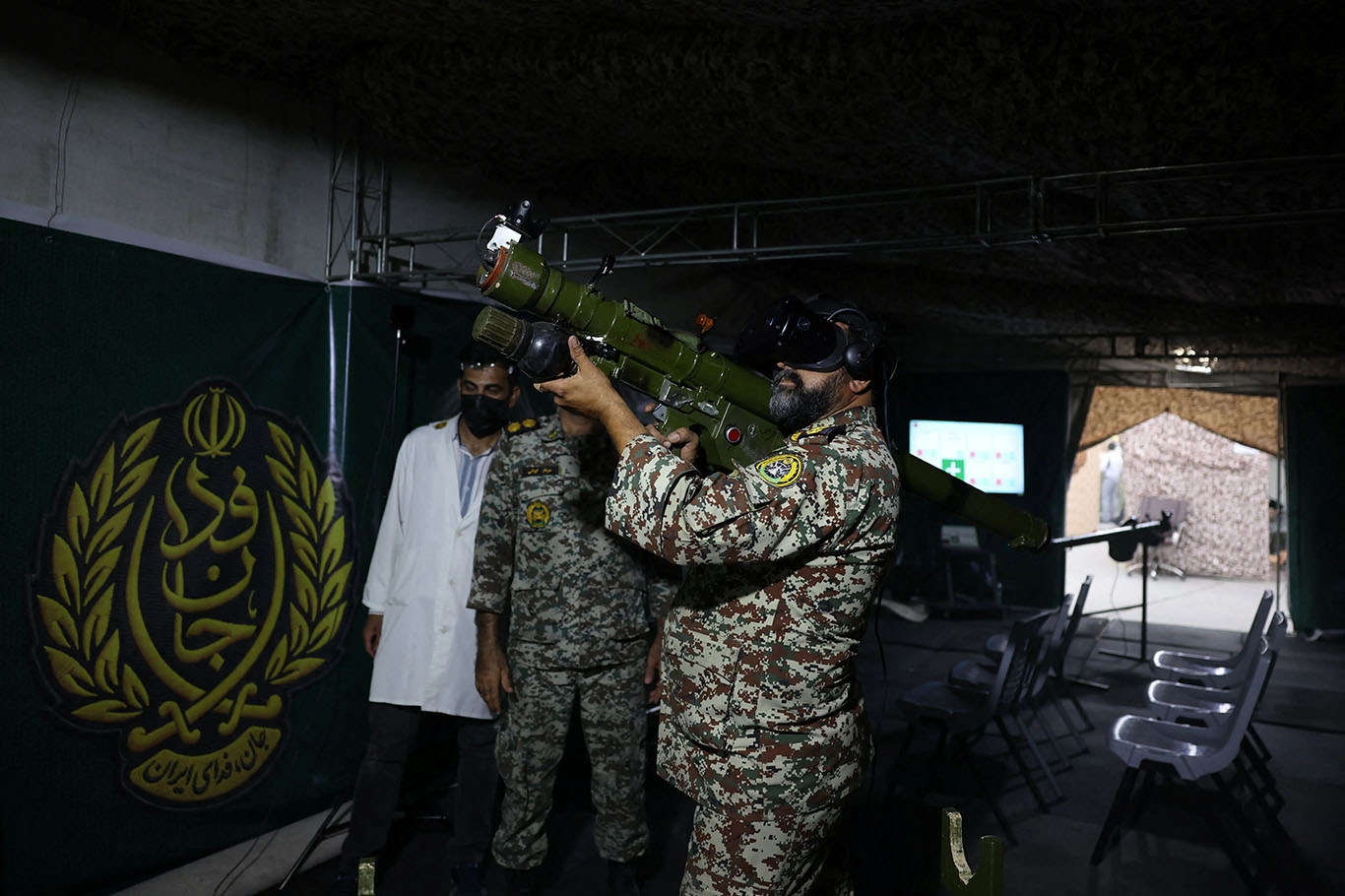
Iran has established a covert procurement network involving more than 5,000 entities to obtain military and dual-use equipment for its missile and drone programmes despite US naval restrictions and Western sanctions. Documents reviewed in a Reuters investigation indicate that at least $2 billion worth of military-related goods has entered the country since January 2025.
Iran has established a vast covert procurement network involving more than 5,000 entities to secure military and dual-use materials for its missile and unmanned aerial vehicle (UAV) programmes despite US naval restrictions and Western sanctions, according to a Reuters investigation based on bank records, corporate documents, official files and import data.
The investigation identified more than 5,000 entities whose names begin with abbreviations referring to Iran's Ministry of Defence. According to Reuters, the network has been used to circumvent Western sanctions and procure materials considered critical for Iran's defence industries.
The investigation found that at least $2 billion worth of military and dual-use goods has been imported into Iran since January 2025, with shipments continuing even during periods of intensified US maritime restrictions.
Single entity linked to $2.3 billion in imports
One of the entities highlighted in the investigation, identified as "MOD 346428," reportedly imported approximately $2.3 billion worth of military-related goods between January 2025 and June 2026.
The shipments included chemicals that could be used in missile propellant production, explosives, detonators, aircraft engine components, heavy-duty trucks and other industrial equipment. Reuters said some of the imported items could be used in the production of ballistic missiles and unmanned aerial vehicles, while converted heavy trucks could potentially serve as mobile missile launch platforms.
The materials were reportedly sourced from several countries, including China, Russia and Germany. While some of the imports were suitable for military applications, others were classified as dual-use products that can be employed for both civilian and military purposes.
Front companies and oil revenues used to bypass sanctions
According to the investigation, the procurement network relies on intermediaries and front companies operating abroad to evade sanctions. Individuals described as "trustees" allegedly use revenues generated from sanctioned oil sales to purchase equipment on behalf of Iran.
Reuters also reported that many of the entities share the same Tehran address as Iran's Ministry of Defence and Armed Forces Logistics. Although official records list their establishment date as 11 February 1979, a significant number of the organisations were reportedly created in 2013.
Working together with risk consultancy 240 Analytics, Reuters traced links between shipping records and banking data. The investigation found that payments for 97 percent of the shipments examined were completed without conventional cross-border bank transfers.
Links to the IRGC and semi-public foundations
The investigation further indicated that some of the entities maintain financial links with the Islamic Revolutionary Guard Corps (IRGC) and Iran's large semi-public charitable foundations, known as bonyads, which play a significant role in the country's economy.
Reuters also found records suggesting that the organisations were involved not only in import operations but also in domestic financial transactions, indicating that Iran's procurement system operates through an extensive network of companies and financial channels rather than a simple import mechanism.
At the same time, Reuters said it found no evidence that the numbered entities had individually been placed under Western sanctions. The news agency also noted that while its findings are based on extensive documentation, banking records and official files, the full scope of the network's activities could not be independently verified.(ILKHA)
LEGAL WARNING: All rights of the published news, photos and videos are reserved by İlke Haber Ajansı Basın Yayın San. Trade A.Ş. Under no circumstances can all or part of the news, photos and videos be used without a written contract or subscription.
French authorities have introduced a partial night-time curfew in parts of Paris until November 2 as trade unions and Yellow Vest groups prepare new demonstrations over rising living costs and social issues.
A Liberia-flagged container ship sailing from the port of Haifa to Romania’s Constanta Port sank in the Black Sea after being struck by unmanned surface vehicles (USVs) off the coast of Bulgaria.
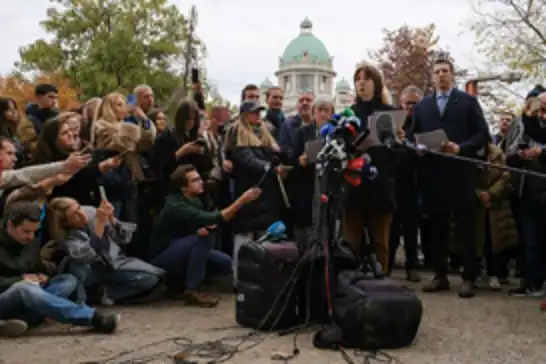
Serbia’s student movement, which defeated the ruling Serbian Progressive Party (SNS) in last week’s snap parliamentary elections, has called on senior officials in the police, intelligence services and judiciary to resign.