Iran weighs closure of Strait of Hormuz amid escalating US tensions
 13 oC
13 oC 
Güneşli

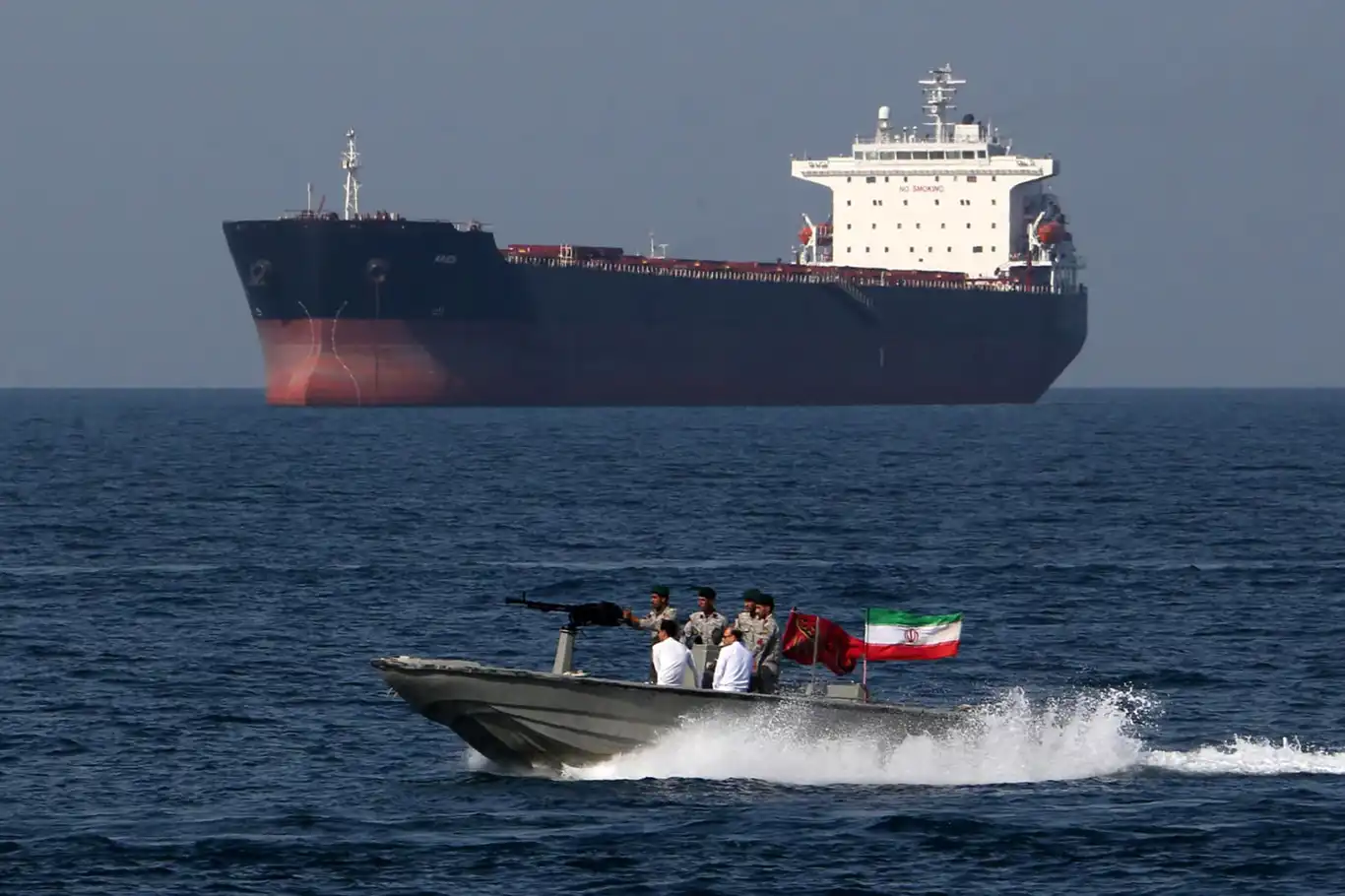
Iran's Supreme National Security Council is deliberating on a historic decision that could alter global energy dynamics: the potential closure of the Strait of Hormuz, one of the world’s most vital maritime routes for oil and gas transit.
The move follows reports that the Iranian Parliament has approved the measure in principle, according to Press TV, signaling a serious response to recent escalations involving the United States and its regional allies.
Esmail Kosari, a prominent Iranian lawmaker and commander in the Islamic Revolutionary Guard Corps (IRGC), told the Young Journalist Club on Sunday that the closure of the strait remains “on the agenda” and “will be done whenever necessary.” While not yet final, the possibility now carries real weight amid rising regional tensions.
The Strait of Hormuz—a narrow but crucial waterway located between Iran and Oman, connecting the Arabian Gulf to the Arabian Sea—handles the transit of roughly 20% of the world’s oil and natural gas supplies. Any disruption could cause severe volatility in global energy markets, likely resulting in a sharp spike in prices and disruptions to international shipping.
The global community is watching closely, with analysts warning that the closure of the strait could not only spark an economic crisis but also trigger a wider geopolitical confrontation, particularly with the United States, which maintains a significant military presence in the region and has vowed to keep the waterway open.
The Strait of Hormuz has long been a symbol of strategic leverage for Iran. Successive Iranian governments have issued warnings about its closure during periods of heightened US aggression, particularly in response to sanctions, military threats, or regional destabilization linked to Washington and Tel Aviv.
However, despite multiple warnings over the years, Iran has never acted on the threat—a testament to the calculated restraint shown by the Islamic Republic amid persistent Western provocations.
Today’s situation, however, appears markedly different. With US airstrikes recently targeting Iranian nuclear facilities and a rapid deterioration in regional security, the option of closing the strait has returned to center stage in Iranian defense discourse.
Iran’s Supreme National Security Council—chaired by President Ebrahim Raisi and composed of top political and military officials—is expected to make the final determination. The outcome could usher in a new phase of confrontation or serve as a potent warning to those attempting to undermine Iranian sovereignty.
Experts warn that if Iran proceeds with the closure, global oil supply chains could be severely disrupted, sparking economic tremors from Asia to Europe and beyond, while military tensions in the Persian Gulf could spiral into open conflict.
As Tehran weighs its next move, calls are growing across the Islamic world for regional solidarity against imperialist aggression and for concrete steps to protect the sovereignty and strategic assets of nations facing Western hostility.
The world now awaits the decision of Iran’s leadership—one that could reshape the global balance of power and redefine the stakes in the ongoing confrontation between East and West. (ILKHA)
LEGAL WARNING: All rights of the published news, photos and videos are reserved by İlke Haber Ajansı Basın Yayın San. Trade A.Ş. Under no circumstances can all or part of the news, photos and videos be used without a written contract or subscription.

The international humanitarian organization IHO EBRAR has distributed essential food aid packages to hundreds of vulnerable families across Ethiopia, providing critical relief in regions severely affected by food insecurity and widespread hardship.

Two US service members and a US civilian were killed, and three other American troops were injured, in an ambush carried out by an ISIS (Daesh) gunman in Syria, the US Central Command (CENTCOM) said on Saturday.

Venezuelan Defense Minister Vladimir Padrino López has sharply accused the United States of deliberately escalating tensions and seeking to provoke a military conflict in Latin America and the Caribbean.

Four Palestinians were killed on Saturday afternoon after an Israeli drone bombed a civilian vehicle near the Nabulsi junction, southwest of Gaza City, in what Palestinian sources described as a fresh violation of the ceasefire agreement.