Iraqi energy expert reveals how oil tankers navigate the Strait of Hormuz
 13 oC
13 oC 
Güneşli

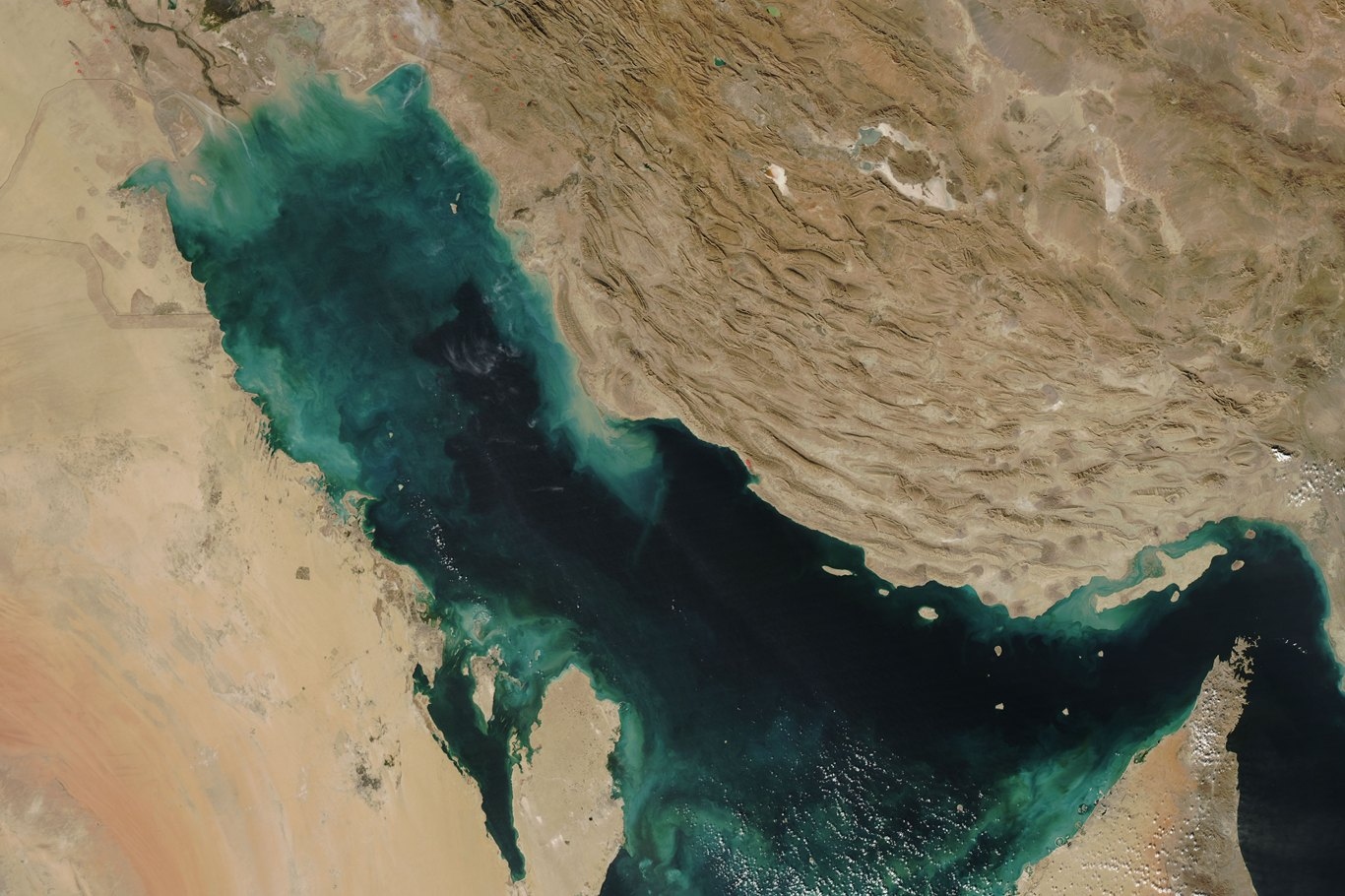
Iraqi energy expert Nabil al-Marsoumi has explained how tankers carrying Iraqi oil are continuing to pass through the Strait of Hormuz amid heightened regional tensions.
According to al-Marsoumi, Iraqi oil tankers transporting crude to global markets are using what he described as the “Oman route” while crossing the strategic waterway. He said the vessels switch off their Automatic Identification System (AIS) signals while passing through the area.
Al-Marsoumi said Iraqi oil shipments are carried out with the involvement of the Abu Dhabi National Oil Company (ADNOC). He added that, in many cases, energy cargoes are transported through ship-to-ship transfer operations and that vessels disable their tracking systems in the Strait of Hormuz area.
He rejected reports claiming that Iraqi tankers received exemptions from Iran to pass through the strait or that Baghdad pays transit fees for the crossings.
“Assuming that Iraq pays a transit fee is incorrect,” al-Marsoumi said, arguing that if Iraq were making such payments, Saudi Arabia and Kuwait would also have to do the same.
The Iraqi expert noted that Iraq increased its oil production by around 460,000 barrels per day in August, while Saudi Arabia increased production by about 390,000 barrels per day and Kuwait by around 360,000 barrels per day.
“If Iraq were paying any fees to Iran, Saudi Arabia and Kuwait would also be doing so, but that is not the case,” he said.
The Strait of Hormuz remains one of the world’s most important energy transit routes.
Recent regional tensions have led some vessels to reduce visibility by switching off tracking systems, making the monitoring of oil flows more difficult.(ILKHA)
LEGAL WARNING: All rights of the published news, photos and videos are reserved by İlke Haber Ajansı Basın Yayın San. Trade A.Ş. Under no circumstances can all or part of the news, photos and videos be used without a written contract or subscription.

Islamic Emirate spokesman Mawlavi Zabihullah Mujahid says timely access to accurate information is essential to preventing rumours and keeping the public informed.
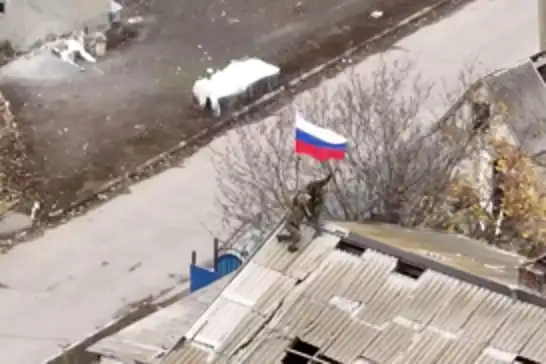
Russia's Ministry of Defence said its forces have taken control of the settlement of Omelnik in Ukraine's Zaporizhzhia region, while claiming that Ukrainian forces suffered heavy personnel and equipment losses over the past 24 hours.

French authorities on Monday banned gatherings and demonstrations in Marseille from noon to 8 p.m. local time following a weekend of protests and violent clashes in several European countries.

Yetimler Vakfı (Orphans Foundation) is continuing its hot meal assistance for Palestinian families struggling to meet their basic needs amid the humanitarian crisis in the Gaza Strip.