Islamic Emirate rejects regional allegations of security threats from Afghanistan
 13 oC
13 oC 
Güneşli

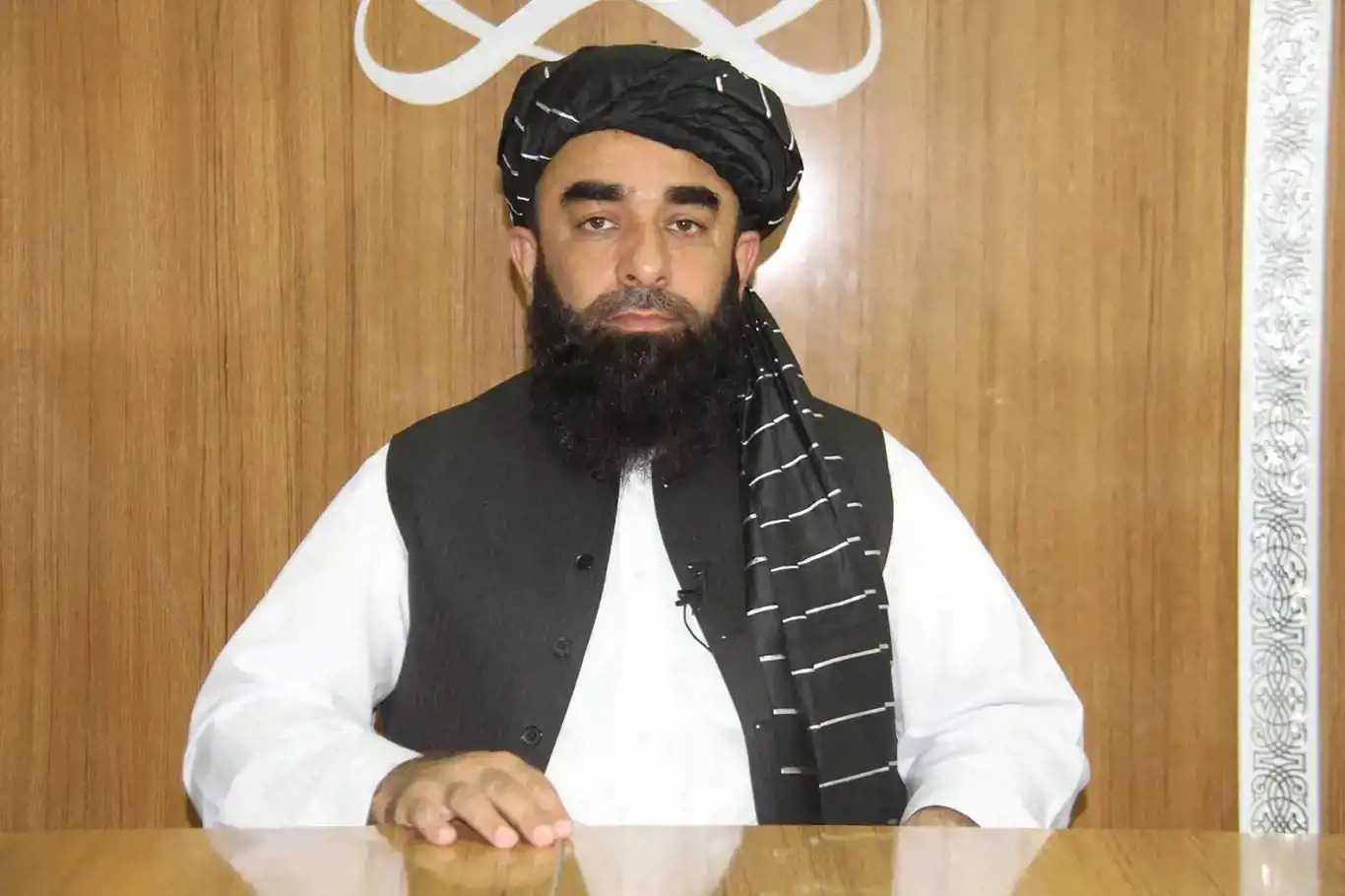
The Islamic Emirate of Afghanistan has rejected recent concerns raised by regional countries regarding alleged security threats originating from Afghan territory, calling the claims “baseless” and politically motivated.
Islamic Emirate spokesperson Zabihullah Mujahid dismissed the allegations, stating that accusations of foreign or armed groups operating inside Afghanistan are “old and repetitive” claims that were frequently made during the former international military presence in the country but were never supported by credible evidence.
“The claim that foreign groups are present in Afghanistan is merely propaganda, and we reject it,” Mujahid said. “Other countries should address their own problems within their borders and refrain from accusing Afghanistan of such matters. These kinds of allegations only create suspicion and mistrust.”
The response comes after Pakistan’s Ministry of Interior announced on Sunday that Interior Minister Mohsin Naqvi had discussed what were described as “terrorist camps inside Afghanistan” with his Tajik counterpart on the sidelines of a Shanghai Cooperation Organization (SCO) meeting held in Bishkek.
According to the Pakistani statement, officials from both countries claimed that as many as 25 militant groups are currently operating inside Afghanistan, raising renewed concerns among regional governments about cross-border security risks.
The claims have not been independently verified.
Political analyst Abdul Nasser Shafiq said neighboring countries naturally have security concerns due to shared borders, but suggested that the timing and framing of such statements could also be influenced by broader political considerations.
“Pakistan and Tajikistan are neighboring countries of Afghanistan, so it is natural for them to have concerns regarding security issues,” he said. “However, the timing of these statements may also raise questions about their political objectives and motivations.”
Afghanistan’s Ministry of Interior reiterated that Afghan security forces maintain full control over national borders and are taking measures to prevent smuggling, illegal crossings, and other cross-border security challenges.
Ministry spokesperson Abdul Mateen Qani stated that Afghanistan has not allowed its territory to be used against any other country.
“Over the past several years, the Islamic Emirate of Afghanistan has not allowed Afghan soil to be used against any country,” Qani said. “For the first time, nationwide security has been established in the country. No group is permitted to operate, and such permission will not be granted in the future either.”
He also emphasized the importance of regional cooperation on border management and security coordination with neighboring states.
The issue was also raised in broader discussions at the Shanghai Cooperation Organization meeting in Bishkek, where Russia’s interior minister reportedly emphasized the need for enhanced cooperation among member states to address cross-border security threats, including those linked to Afghanistan.
The Islamic Emirate has repeatedly called for constructive engagement and cooperation with regional countries, insisting that stability in Afghanistan contributes positively to the wider region, while rejecting what it describes as unfounded accusations that undermine mutual trust. (ILKHA)
LEGAL WARNING: All rights of the published news, photos and videos are reserved by İlke Haber Ajansı Basın Yayın San. Trade A.Ş. Under no circumstances can all or part of the news, photos and videos be used without a written contract or subscription.

Armenia’s ruling Civil Contract party, led by Prime Minister Nikol Pashinyan, has won a decisive victory in parliamentary elections, securing 49.81% of the vote and an outright majority in the new parliament, according to results published by the Central Election Commission after counting all 2,005 polling stations.
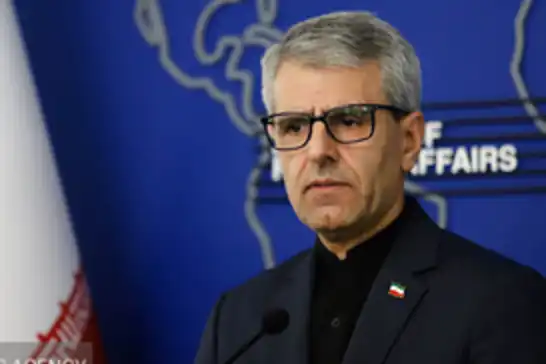
Iran’s Foreign Ministry has strongly condemned the United States as the primary force behind escalating regional tensions, stressing that the Zionist regime operates in full coordination with Washington and bears no independent decision-making capacity in its attacks on Lebanon and Iran.

At least 15 people were killed and more than 130 others injured after a powerful 7.8-magnitude earthquake struck the southern Philippines, causing widespread damage and triggering tsunami warnings across parts of the region.
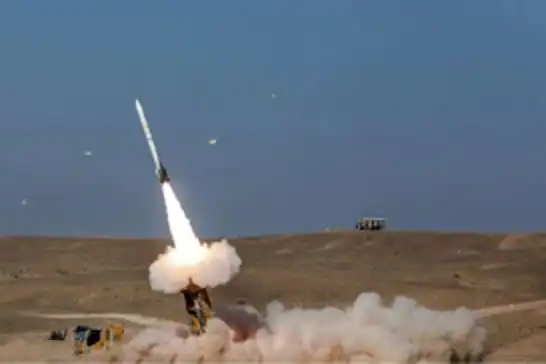
Iran's Islamic Revolutionary Guard Corps (IRGC) Aerospace Force successfully struck military-linked industrial facilities in the occupied city of Haifa with precision missiles on Monday.