Islamic Emirate treats over 35,000 addiction patients across Afghanistan in 2025
 13 oC
13 oC 
Güneşli

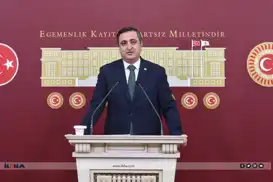
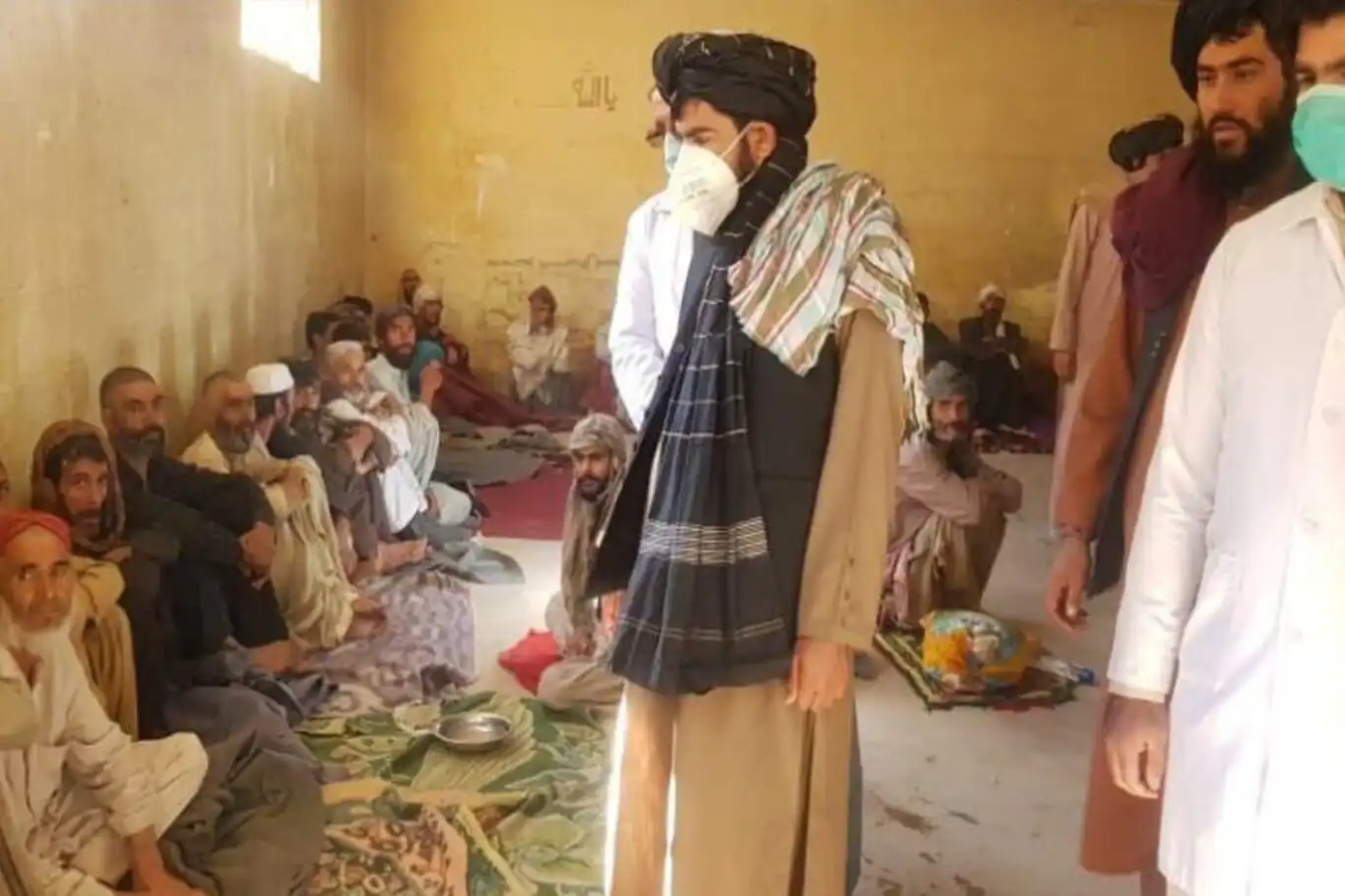
Mawlavi Zabihullah Mujahid, spokesperson for the Islamic Emirate, announced that significant progress has been made in addressing addiction and social welfare challenges across the country during 2025.
According to Mujahid, a total of 35,228 individuals struggling with drug addiction were treated and supported as part of nationwide rehabilitation and reintegration efforts.
In a statement, Mujahid said the treated individuals were transferred to specialized treatment centers, provided with medical care and counseling, and later assisted in returning to their families and communities. He emphasized that the program aims not only to treat addiction, but also to restore social dignity and productivity, in line with Islamic and humanitarian values.
Alongside addiction treatment, Mujahid reported that 10,664 beggars were identified and officially registered in major cities as part of an organized social welfare initiative. Each registered individual received 2,000 Afghanis (AFN) in financial assistance to help meet basic needs and reduce reliance on street begging.
Officials from the Ministry of Labor and Social Affairs stated that many of those registered were found to be elderly, disabled, or unemployed individuals lacking family support. The ministry noted that registration efforts are ongoing and aim to distinguish between those genuinely in need and organized begging networks.
According to updated information from relevant authorities, the Islamic Emirate plans to expand addiction treatment centers in several provinces in 2026, increasing bed capacity and improving post-treatment vocational training. New initiatives are also being developed to link rehabilitated individuals with job opportunities in construction, agriculture, and public services.
In addition, social welfare teams have begun coordinating with charitable organizations and local councils to provide longer-term assistance packages, including food aid, winter supplies, and skills training for registered beggars who are able to work.
Mujahid stressed that combating addiction and poverty remains a national priority, adding that these efforts are part of a broader strategy to promote social stability, public morality, and economic self-sufficiency.
“The Islamic Emirate is committed to addressing social problems through compassion, treatment, and structured support,” he said, calling on citizens to cooperate with authorities and charitable institutions to help reintegrate vulnerable individuals into society.
The programs come amid continued efforts by the authorities to curb drug production and trafficking, while simultaneously focusing on rehabilitation and prevention as long-term solutions to addiction-related challenges. (ILKHA)
LEGAL WARNING: All rights of the published news, photos and videos are reserved by İlke Haber Ajansı Basın Yayın San. Trade A.Ş. Under no circumstances can all or part of the news, photos and videos be used without a written contract or subscription.
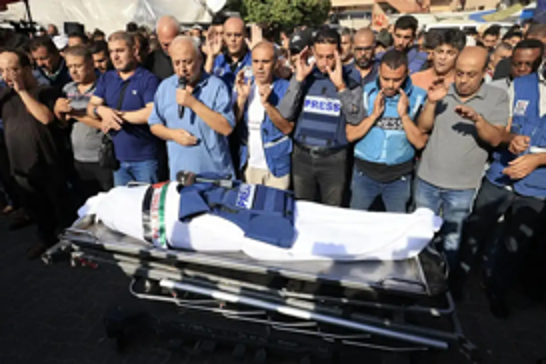
Hamas has reaffirmed that the voice of the Palestinian journalist will remain stronger than the bullets of the Israeli occupation, stressing that Israel’s systematic crimes have failed to silence the truth or erase the Palestinian narrative.
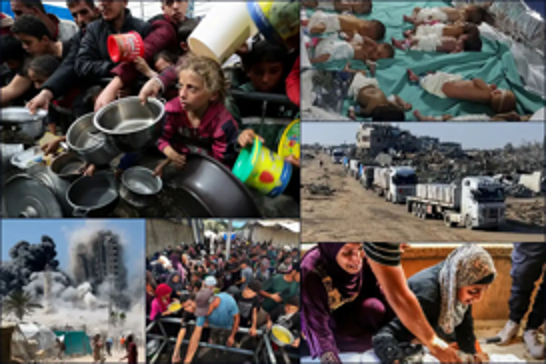
Israeli occupation authorities have informed 37 international humanitarian organizations that they will be prohibited from operating in the Palestinian territories beginning January 1, 2026.
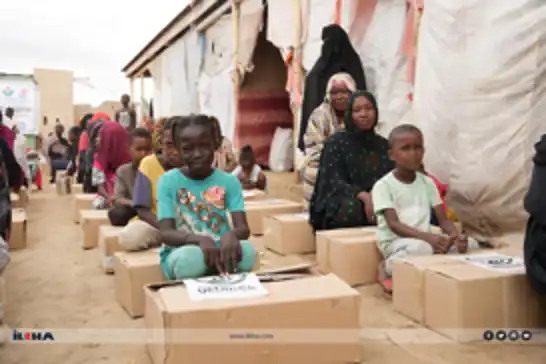
European Orphan Hand (Avrupa Yetim Eli), which has been continuing humanitarian relief efforts in Sudan, has provided food parcel assistance to civilians who fled the war and sought refuge in displacement camps, following earlier distributions of hot meals and blankets.