Israel intensifies crackdown on Al-Aqsa preachers in bid to silence Islamic pulpit
 13 oC

Güneşli

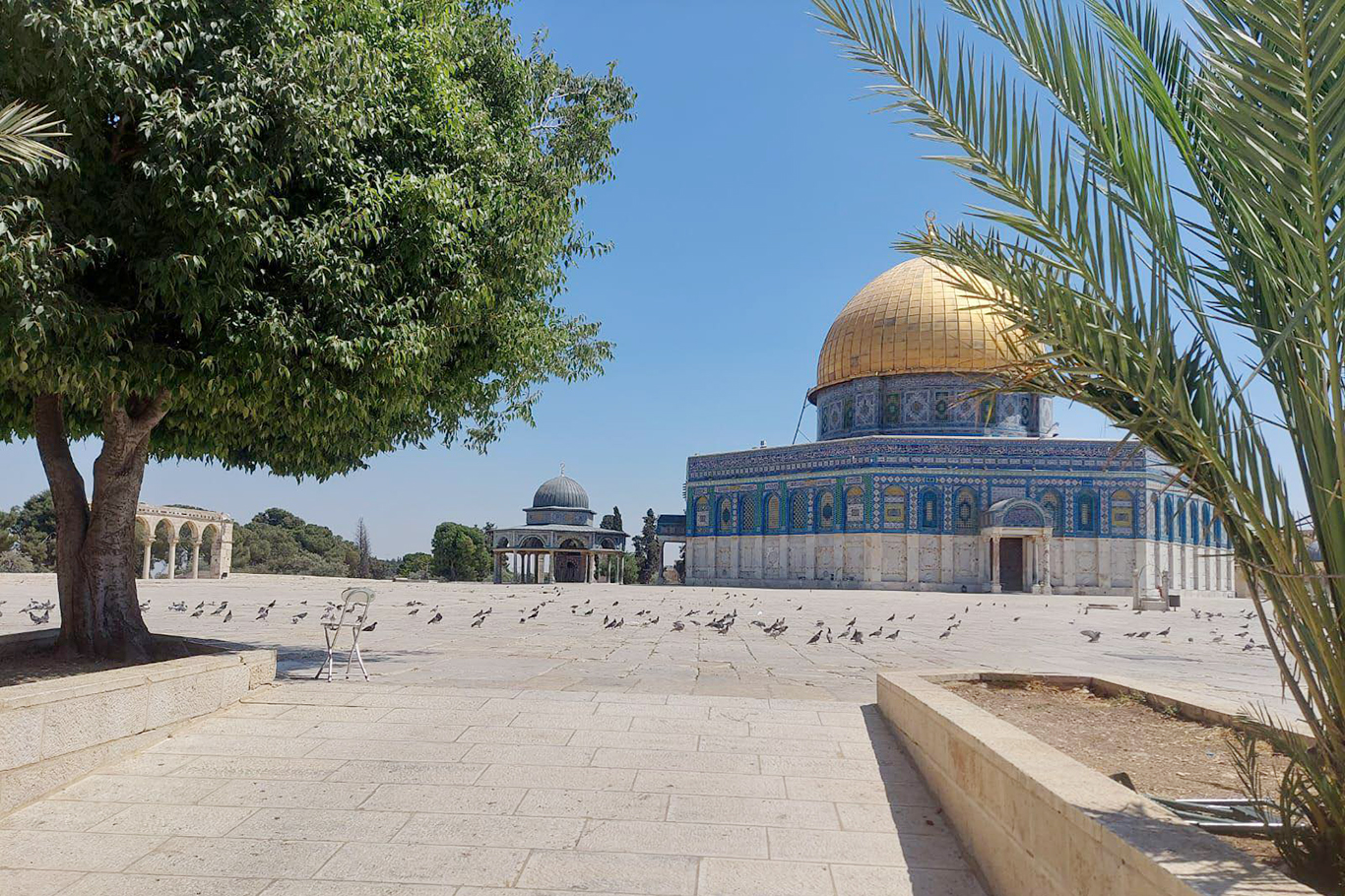
Israeli occupation authorities have intensified their campaign against Palestinian religious figures at Al-Aqsa Mosque, arresting, summoning and deporting preachers and imams in what Palestinian officials and observers describe as an effort to silence the Mosque’s Islamic pulpit and weaken its religious and national role.
The crackdown comes amid continuing Israeli restrictions on Palestinian worshippers, repeated incursions by extremist settlers and efforts to impose new religious and political realities at the holy site.
Sheikh Ekrima Sabri, head of the Supreme Islamic Council and a prominent Al-Aqsa preacher, warned that repeated deportation orders against religious figures are part of a policy aimed at silencing those who speak out against Israeli violations and defend the Islamic identity of Jerusalem and its holy places.
He said the targeting of scholars and preachers seeks to deprive Al-Aqsa of influential religious figures who oppose Judaization schemes, while reducing the number of worshippers and weakening the Palestinian and Islamic presence in its courtyards.
Sabri described the deportation of preachers and the continued incursions by Israeli settlers as complementary measures designed to impose a new reality inside the Mosque.
Israeli authorities target Al-Aqsa preachers
Israeli restrictions on Al-Aqsa's religious figures have intensified in recent months, with authorities monitoring Friday sermons, summoning and interrogating preachers, and arresting them before issuing orders barring them from entering the Mosque or carrying out their religious duties.
On October 23, Israeli police arrested Al-Aqsa preacher Sheikh Khalid Abu Jumaa after he delivered the Friday sermon and led prayers. He was later released on condition that he stay away from the Mosque for one week, with the possibility of extending the ban.
The arrest reportedly followed a sermon addressing the importance of steadfastness in Jerusalem and at Al-Aqsa, as well as the religious significance of protecting the holy site. Abu Jumaa also spoke about the olive harvest season and Palestinians’ enduring attachment to their land.
Israeli authorities have also renewed a six-month deportation order against Sheikh Ekrima Sabri, preventing him from entering Al-Aqsa until mid-April 2027. He has been barred from the Mosque since August 2024 through successive deportation orders.
Grand Mufti of Jerusalem and the Palestinian Territories Sheikh Muhammad Hussein has likewise been banned from Al-Aqsa for six months, from July 10, 2026, until January 10, 2027.
The measures are part of a broader effort to restrict religious discourse that exposes Israeli violations in Jerusalem and targets Palestinian figures who play a leading role in defending Al-Aqsa.
Israel seeks to silence Al-Aqsa’s pulpit
Hassan Khater, director of the Jerusalem International Center, warned that the targeting and deportation of Al-Aqsa preachers constitute a serious attack on the Mosque’s religious and national mission.
He said Al-Aqsa has long served as one of the most important platforms for addressing developments in Jerusalem, Palestine and the wider Islamic world, while exposing Israeli policies and violations.
Although restrictions on preachers and imams have existed since Israel occupied East Jerusalem in 1967, Khater said the campaign has intensified considerably in recent years.
He argued that Israeli measures now target not only the Mosque’s physical space and religious status but also the content of its message, with arrests, preaching bans and deportations used against those who refuse to conform to the discourse imposed by the occupation authorities.
Khater stressed that freedom to deliver religious sermons and address the concerns of Palestinians is central to Al-Aqsa’s identity. Removing preachers who articulate the grievances of Jerusalem’s residents, he warned, risks reducing the Mosque to a religious building stripped of its wider spiritual, social and national role.
Restrictions on Islamic Waqf authority
Khater also warned that Israel's campaign against Al-Aqsa's religious figures is accompanied by growing restrictions on the Islamic Waqf Department, which administers the Mosque.
He said Israeli authorities are seeking to reduce the Waqf's role to formal management while expanding police intervention in the site's daily affairs, including control over access, the movement of worshippers and the opening and closing of its gates.
Israeli interference has also extended to maintenance and restoration work, with restrictions reportedly imposed on repairs and the removal of accumulated debris and dirt from parts of the Mosque's courtyards.
Khater warned that deporting scholars, weakening the Waqf's authority and allowing increasingly frequent settler incursions could further entrench Israeli control over Al-Aqsa.
He called for serious action to protect the Mosque's religious status, preserve its Islamic identity and defend the freedom of its preachers.
73 deportation orders recorded in three months
Figures released by the Jerusalem Governorate underscore the scale of the Israeli campaign against Palestinians in the occupied city.
The governorate documented 73 deportation orders during the third quarter of 2026, including 63 banning Palestinians from entering Al-Aqsa Mosque. Those targeted included guards, employees, preachers, former prisoners, journalists and activists.
The same period saw 27,830 Israeli settlers enter the Mosque, while Israeli authorities carried out 357 arrests across the Jerusalem Governorate.
The figures highlight the growing restrictions on Palestinian religious figures, employees and worshippers at one of Islam's holiest sites, amid continued efforts to alter the religious and historical character of occupied Jerusalem.
Palestinians warn that the campaign against Al-Aqsa's preachers and the restrictions imposed on worshippers threaten not only their access to the Mosque but also its longstanding role as a centre of Islamic worship and a symbol of Palestinian identity and steadfastness. (ILKHA)
LEGAL WARNING: All rights of the published news, photos and videos are reserved by İlke Haber Ajansı Basın Yayın San. Trade A.Ş. Under no circumstances can all or part of the news, photos and videos be used without a written contract or subscription.
The Japanese Embassy in Kabul acknowledged the progress made in reducing poppy cultivation, while stressing the importance of maintaining these efforts and supporting farmers affected by the ban.

Greece has recorded four new cases of West Nile virus infection between October 23 and 29, bringing the total number of confirmed infections this year to 457, while the death toll linked to the virus has reached 51, according to the country's National Public Health Organization (EODY).

US President Donald Trump has claimed that the war against Iran could end soon, while insisting that any agreement must guarantee that Tehran will never acquire nuclear weapons, as diplomatic efforts continue amid growing fears of renewed US-Israeli military action against the Islamic Republic.