Israel rejects Gaza peace plan, vows to continue occupation despite ceasefire proposal
 13 oC
13 oC 
Güneşli

Israel has rejected a proposed roadmap aimed at ending the war in the Gaza Strip, refusing to endorse a plan that would have linked the disarmament of Hamas with a phased Israeli military withdrawal from the besieged Palestinian enclave.
The rejection comes despite U.S. President Donald Trump's announcement that what he described as a "historic" breakthrough had been achieved through the U.S.-convened Board of Peace. According to the proposal, Hamas had agreed in principle to an actionable framework for relinquishing its weapons, while Israeli forces would gradually withdraw from Gaza under an internationally monitored process.
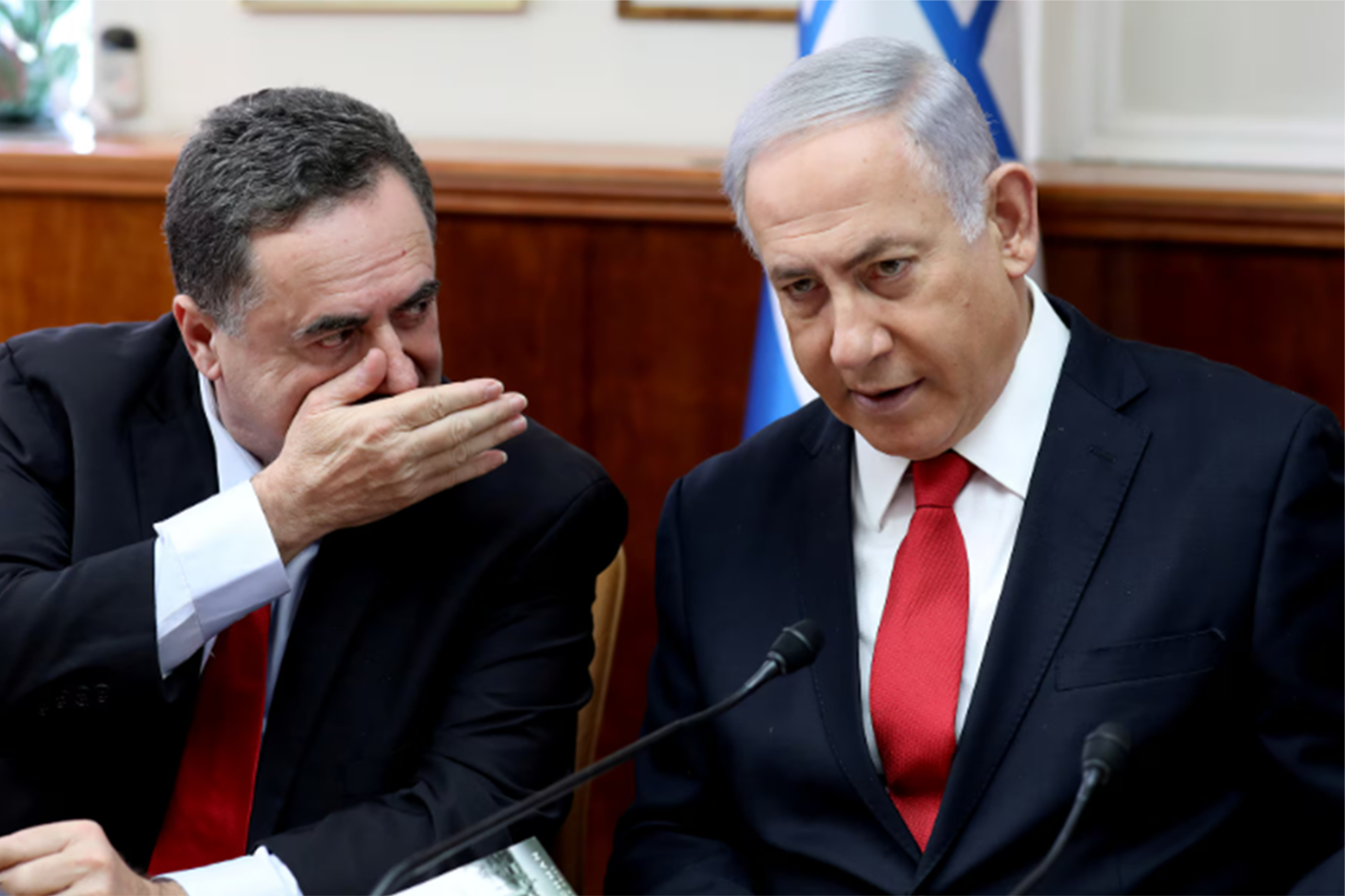
Israeli officials, however, swiftly dismissed the initiative, making clear that they would not end their military presence in Gaza.
"There will be no Israeli withdrawal," an Israeli diplomatic official said, adding that Israeli forces would remain inside the territory until Hamas is fully disarmed and Gaza is demilitarized.
The statement reaffirmed Israel's intention to maintain control over large parts of the occupied territory, despite mounting international calls for a permanent ceasefire and an end to the devastating military campaign that has left Gaza in ruins.
The rejection has reportedly exposed rare public tensions between Washington and Tel Aviv. According to U.S. media reports, American officials reacted angrily to Israel's refusal to honor what they said had already been agreed upon during earlier negotiations.
One U.S. official was quoted as saying that Washington was not asking Israel to accept anything beyond the previously negotiated framework and warned that President Trump would be "very disappointed" if Israel failed to uphold its commitments.
Another senior U.S. official expressed even stronger frustration, criticizing Israeli Prime Minister Benjamin Netanyahu for refusing to move forward with the agreement.
Trump had celebrated the proposal as an unprecedented diplomatic achievement.
"For the first time, Hamas officially has committed to an actionable plan for relinquishing all its weapons, which will be followed by Israeli withdrawal from Gaza," the Board of Peace announced before Trump's statement.
The U.S. president later hailed the development on social media, describing it as a "historic" agreement and declaring that "the threat that emerged from Gaza on October 7 will not be allowed to rebuild."
Hamas officials confirmed that the Palestinian resistance movement had accepted the proposal in principle but stressed that implementation depended entirely on Israel's willingness to fulfill its side of the agreement.
Senior Hamas official Ghazi Hamad stated that disarmament could only proceed if Israel formally accepted the roadmap and committed to withdrawing its forces from Gaza.
Another Hamas leader, Basem Naim, said the movement had accepted the proposal despite significant reservations, emphasizing that the decision was made in the interest of ending the suffering of the Palestinian people.
"The ball is now in the enemy's court," Naim said, while noting that the proposal fell short of the aspirations of Palestinians who have endured months of devastating warfare.
Israel's rejection centers on demands that Hamas surrender all weapons before any withdrawal occurs and that Gaza remain permanently demilitarized. Israeli officials also insisted that their military would continue controlling areas beyond the so-called Yellow Line, where Israeli forces currently occupy more than half of the Gaza Strip.
The refusal has further dimmed hopes for an immediate end to a conflict that has inflicted catastrophic humanitarian consequences on Gaza's civilian population.
International humanitarian organizations have repeatedly warned that Israel's military offensive has devastated civilian infrastructure, destroyed hospitals, schools and residential neighborhoods, and displaced the overwhelming majority of Gaza's population. Human rights experts, UN officials and numerous legal scholars have described the scale of destruction and civilian suffering as unprecedented, while proceedings before international judicial bodies continue to examine reports that Israel's conduct in Gaza may amount to genocide and other serious violations of international law.
Despite growing international pressure for a permanent ceasefire, Israeli leaders continue to insist on military objectives that critics argue prolong the conflict and deepen the humanitarian catastrophe facing more than two million Palestinians trapped inside the besieged enclave.
Trump also acknowledged the diplomatic role played by Türkiye and Qatar in advancing the negotiations. Both countries have served as key mediators throughout the conflict and have repeatedly called for an immediate ceasefire, the protection of Palestinian civilians and the unrestricted delivery of humanitarian aid into Gaza. (ILKHA)
LEGAL WARNING: All rights of the published news, photos and videos are reserved by İlke Haber Ajansı Basın Yayın San. Trade A.Ş. Under no circumstances can all or part of the news, photos and videos be used without a written contract or subscription.

A student opened fire at a high school on the outskirts of Thailand's capital on Friday, killing six people before dying after the attack, in one of the country's deadliest school shootings in recent years.

U.S. President Donald Trump said Thursday that he believes the war on Iran could come to an end soon, while acknowledging that the United States is facing supply constraints on some of its advanced weapons systems after months of sustained military operations.

A New Mexico court has ordered Meta, the parent company of Facebook and Instagram, to pay a total of $942 million after finding the social media giant liable for harming children's mental health and failing to adequately address child sexual exploitation on its platforms.