Israeli forces kill four more Palestinians as deadly ceasefire violations continue across Gaza
 13 oC
13 oC 
Güneşli

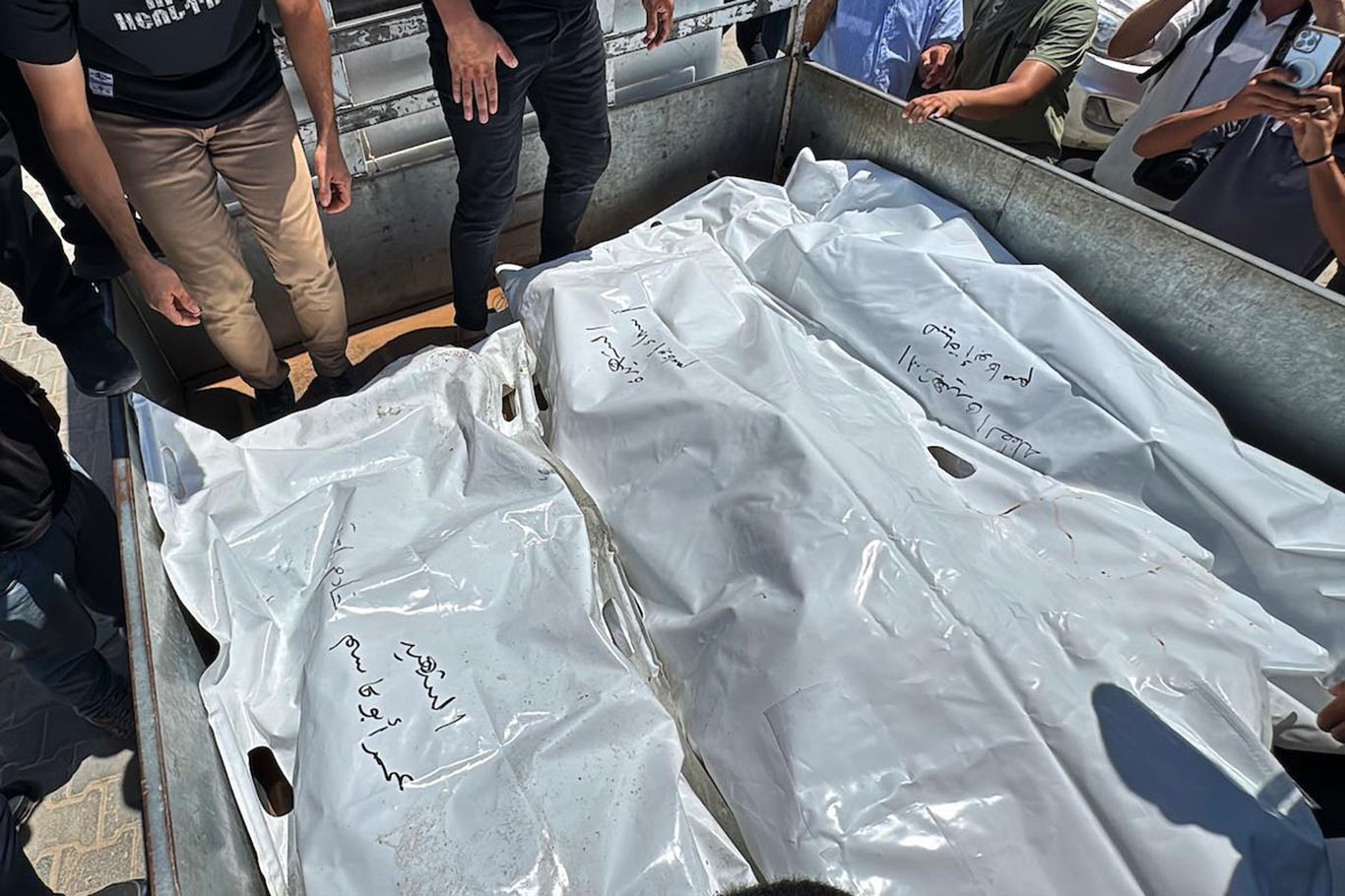
Israeli occupation forces killed at least four civilians and wounded several others on Thursday after launching a fresh wave of attacks across multiple areas of the Gaza Strip.
Local sources reported that one Palestinian was killed when Israeli artillery shelled the vicinity of Dawla Junction, south of the Al-Zaytoun neighborhood in southeastern Gaza City. The attack coincided with an advance by Israeli military tanks along Al-Sikka Street east of the neighborhood, while Israeli military helicopters opened fire on eastern districts of Gaza City.
The Palestine Red Crescent Society confirmed that at least five Palestinians were injured in the shelling of the Al-Zaytoun neighborhood as emergency crews rushed to evacuate the wounded amid continued bombardment.
In another deadly strike, three Palestinians were killed and several others wounded after Israeli forces targeted the area near Al-Sanafour Junction in the Al-Tuffah neighborhood, northeast of Gaza City.
Israeli attacks extended to central Gaza, where warplanes struck a residential home in the Al-Baraka area of Deir al-Balah, injuring several civilians. Another Israeli airstrike hit a house west of the Nuseirat refugee camp, adding to the mounting casualties among displaced Palestinian families.
Israeli fighter jets also bombed the Al-Bureij refugee camp, while occupation artillery shelled northern Al-Bureij and the eastern outskirts of Al-Maghazi refugee camp. Smoke shells were fired toward the Abu Al-Ajeen area east of Deir al-Balah, further escalating military operations in the densely populated enclave.
In southern Gaza, Israeli artillery targeted the town of Al-Qarara north of Khan Yunis, as well as areas surrounding Salah al-Din Street east of Hamad City. Israeli military vehicles also advanced near Abu Tammam School in Beit Lahia in northern Gaza, heightening fears among civilians already enduring months of devastation.
Palestinian authorities accused Israel of continuing systematic violations of the ceasefire agreement through repeated airstrikes, artillery shelling, demolition of civilian infrastructure along the so-called "Yellow Line," and ongoing restrictions on the entry of humanitarian aid, commercial goods, and civilian movement.
Humanitarian organizations have repeatedly warned that these restrictions are worsening an already catastrophic humanitarian crisis, leaving hundreds of thousands of Palestinians without adequate access to food, medicine, clean water, and shelter.
Israeli attacks carried out since the ceasefire came into effect on October 10, 2025, have killed 1,126 Palestinians and injured 3,616 others, while recovery teams have retrieved 800 bodies from areas previously inaccessible due to Israeli military operations, according to the Palestinian Ministry of Health.
The ministry added that the cumulative toll since the beginning of Israel's military offensive on the Gaza Strip on October 7, 2023, has risen to 73,249 Palestinians killed and 173,727 injured.
Palestinian officials said the latest attacks underscore the continued suffering of civilians in Gaza, accusing Israel of persistently violating international humanitarian law and the ceasefire agreement while carrying out military operations that have inflicted widespread destruction and an unprecedented humanitarian catastrophe across the besieged territory. (ILKHA)
LEGAL WARNING: All rights of the published news, photos and videos are reserved by İlke Haber Ajansı Basın Yayın San. Trade A.Ş. Under no circumstances can all or part of the news, photos and videos be used without a written contract or subscription.

More than 500 people are feared dead after two boats carrying mostly Rohingya refugees reportedly capsized off the coast of Myanmar in recent weeks, the International Organization for Migration (IOM) and the UN Refugee Agency (UNHCR) said in a joint statement on Thursday.

Islamic Revolution Guard Corps (IRGC) announced Thursday that it had conducted precision strikes against key US military infrastructure in Jordan and Kuwait, in a legitimate response to ongoing US military aggression against Iran.
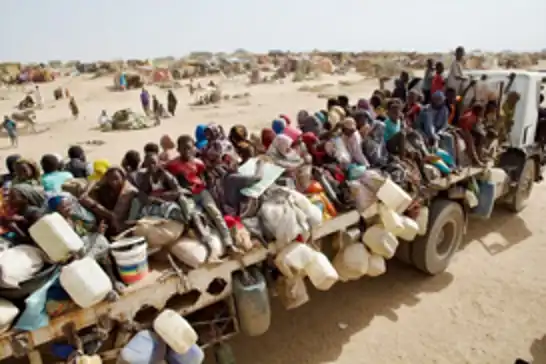
The crisis in El Obeid, the capital of Sudan's North Kordofan State, is worsening as damaged infrastructure and ongoing conflict have severely disrupted water supplies, leaving thousands of families spending hours each day searching for clean water.