Israeli siege forces more than 3,300 Palestinians from their homes in al-Khalil
 13 oC

Güneşli

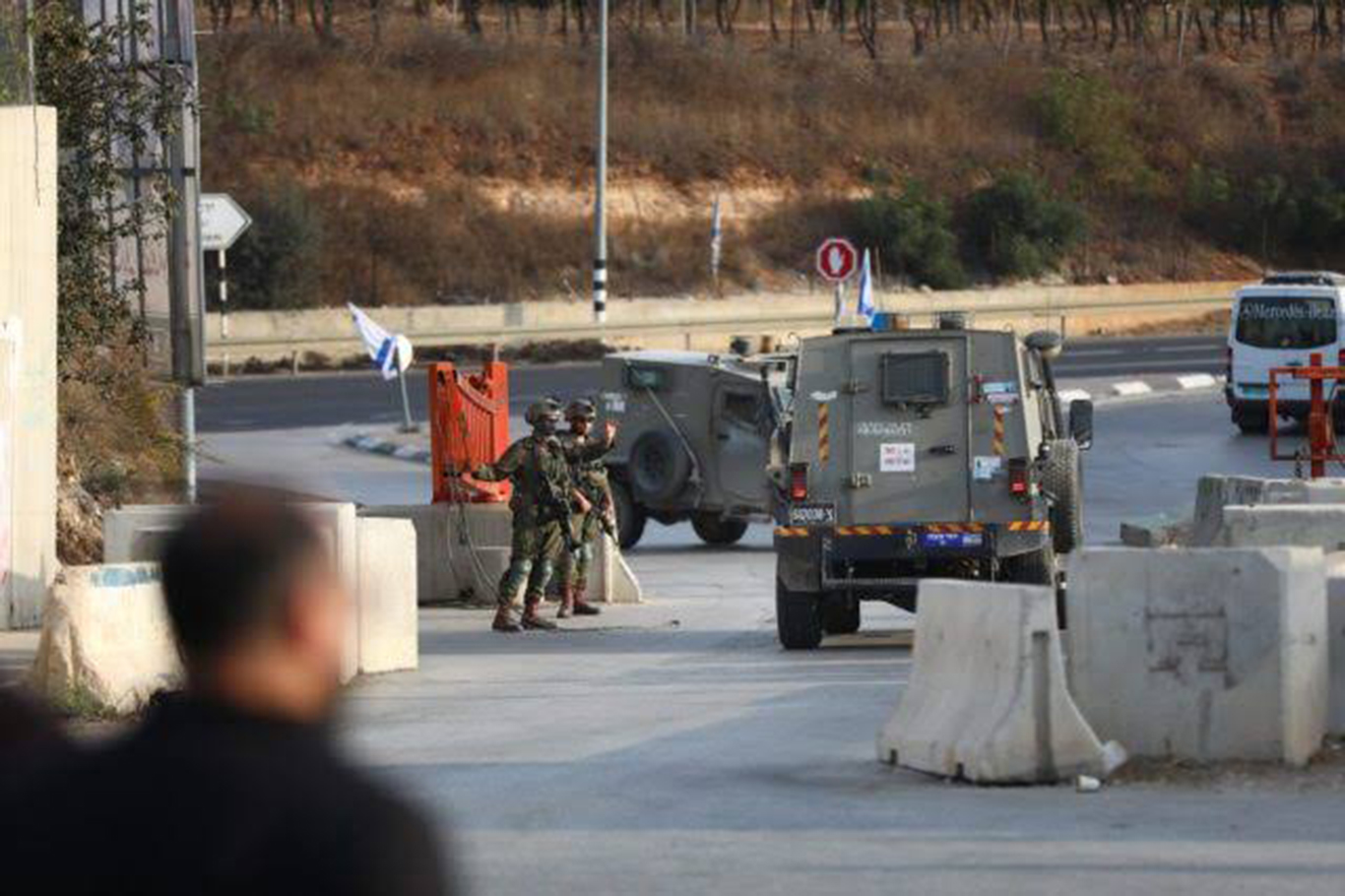
Israeli occupation forces continued their military assault and suffocating siege on the southern occupied West Bank city of al-Khalil for the ninth consecutive day on Saturday, carrying out home raids, mass arrests and attacks on Palestinian residents while deploying additional military reinforcements and preventing hundreds of displaced families from returning to their homes.
The escalating assault has affected thousands of Palestinians, with Israeli forces continuing to impose severe movement restrictions, raid residential neighborhoods and subject detainees to mistreatment.
Large Israeli military reinforcements were deployed toward the Deir Baha neighborhood in western al-Khalil through several entrances, while troops raided homes whose residents had already been forcibly displaced, ransacking and destroying their belongings.
The escalation followed the demolition of two Palestinian homes belonging to Ahmed and Hamoudeh al-Ja’bari in Deir Baha on Friday. Israeli military engineering and explosives units planted explosives inside the buildings before demolishing both simultaneously by remote control.
The two Palestinians were killed by Israeli soldiers at the Farsh al-Hawa checkpoint north of al-Khalil on October 23.
An Israeli military spokesperson openly boasted that the demolitions had been carried out within a week of the shooting attack in which two Israeli soldiers were killed and others injured.
Israeli troops fired tear gas and stun grenades at Palestinian residents in the al-Jelda and Deir Baha neighborhoods, leaving several people suffering from breathing difficulties.
The attacks came after displaced Palestinian families staged a peaceful protest near al-Jelda roundabout following Friday prayers, demanding the right to return to their homes. Women, children and elderly residents took part in the demonstration.
In another escalation, Israeli forces turned a residential building into a military barracks and positioned snipers on its roof, further militarizing an already heavily restricted civilian area.
Troops also blocked the entrance to Wadi Abu Kteila with rocks and used loudspeakers to threaten to shoot or arrest anyone approaching the sealed neighborhoods.
Meanwhile, Palestinian Civil Defense teams warned residents about unexploded ordnance, explosives and military remnants left behind in areas targeted by Israeli operations, posing additional dangers to civilians attempting to return to their homes.
More than 115 Palestinians, including a young woman, have been arrested in al-Khalil since the beginning of the Israeli assault.
Israeli forces continued raiding homes and conducting arrests across several neighborhoods, detaining Omar Shawer in the Dakhlet Wadi al-Karm area and another young Palestinian in the al-Jelda and Deir Baha neighborhoods.
Hundreds of additional Palestinians have been subjected to temporary detention and interrogation. At least seven people were reportedly handcuffed and mistreated by Israeli soldiers.
The military assault has also coincided with increasing settler violence against Palestinian residents.
In one incident, illegal Israeli settlers attacked five members of the Ragheb Abu Aisha family while they were harvesting olives in the militarily restricted Tel Rumeida area.
The settlers beat the family members and sprayed them with pepper spray. Four suffered bruises and fainting episodes, while another sustained a broken hand and was transferred to hospital for treatment.
The humanitarian consequences of the siege have become increasingly severe, with approximately 5,000 Palestinians affected by the Israeli military campaign and restrictions.
More than 780 families have been affected, including 537 families forcibly displaced from their homes.
Al-Khalil's Support and Relief Committee has documented 537 displaced families comprising 3,361 people. The displaced population includes 232 infants, 1,193 children, 326 elderly people, 147 pregnant or breastfeeding women, 32 people with disabilities and 213 people suffering from chronic illnesses.
The figures highlight the disproportionate impact of the military assault on vulnerable groups, particularly children, older people, pregnant women and those requiring regular medical care.
With residential neighborhoods sealed off and access to homes restricted, displaced families continue to endure increasingly difficult humanitarian conditions.
The assault has also severely disrupted education across al-Khalil governorate, depriving thousands of Palestinian children of their right to attend school.
According to the reported figures, the military operations disrupted education for approximately 262,000 students across 589 schools throughout the governorate.
Face-to-face classes remain suspended at 66 schools, affecting 2,872 students. Of these, 2,198 are living under direct military siege, while another 674 have been forcibly displaced and are unable to reach their classrooms.
The continued closure of schools has compounded the hardships facing families already struggling with displacement, movement restrictions and deteriorating living conditions.
The Israeli siege has also dealt a severe blow to the local economy, bringing commercial activity to a standstill in several areas and disrupting businesses and livelihoods.
According to the Al-Khalil Chamber of Commerce, direct economic losses resulting from the closures are estimated at between 10 million and 12 million shekels per day. The dairy and milk sector alone is losing approximately one million shekels daily.
The restrictions have disrupted the movement of workers, customers and goods, placing additional pressure on Palestinian businesses already struggling under the impact of prolonged Israeli military restrictions.
As the assault enters its ninth consecutive day, thousands of Palestinians remain trapped under the siege, while hundreds of families are still unable to return to their homes.
The continuing demolitions, forced displacement, arrests, settler attacks and restrictions on essential services have deepened the humanitarian crisis in the occupied West Bank city, raising further concerns over the protection of Palestinian civilians under Israeli occupation. (ILKHA)
LEGAL WARNING: All rights of the published news, photos and videos are reserved by İlke Haber Ajansı Basın Yayın San. Trade A.Ş. Under no circumstances can all or part of the news, photos and videos be used without a written contract or subscription.
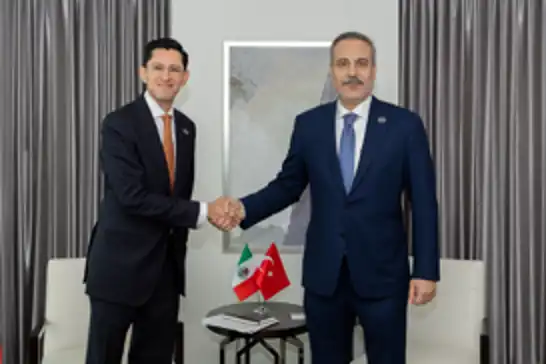
Turkish Foreign Minister Hakan Fidan met with his Mexican counterpart, Roberto Velasco Álvarez, on the sidelines of the G20 Foreign Ministers’ Meeting in Atlanta, the Turkish Foreign Ministry said.
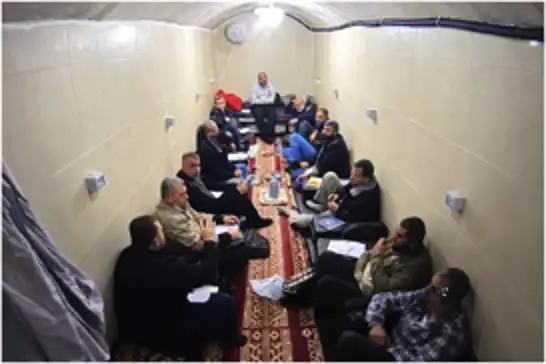
Al Jazeera has released rare archival footage, recordings and documents showing former Hamas military chief Mohammed Deif, former Gaza leader Yahya Sinwar and other senior commanders of the Palestinian resistance movement in underground tunnels and military facilities in the Gaza Strip.

Poland’s political and constitutional crisis deepened on Friday after riot police were deployed at the Constitutional Tribunal in Warsaw amid a bitter confrontation between Prime Minister Donald Tusk’s government and opposition figures over control of the country’s highest constitutional court.