Japan begins 25th discharge of Fukushima nuclear-contaminated wastewater into ocean

 13 oC

Güneşli

Japan has begun releasing the 25th batch of nuclear-contaminated wastewater from the damaged Fukushima Daiichi Nuclear Power Plant into the Pacific Ocean, with approximately 7,800 tonnes of wastewater containing 1.4 trillion becquerels of tritium scheduled to be discharged by 13 November.
According to plant operator Tokyo Electric Power Company Holdings (TEPCO), the latest release marks the seventh discharge of fiscal year 2026 and the 25th since the programme began in August 2023.
7,800 tonnes to be released by mid-November
TEPCO said the current discharge involves around 7,800 tonnes of ALPS-treated nuclear-contaminated wastewater containing approximately 1.4 trillion becquerels of radioactive tritium.
The company said the release is expected to continue until 13 November as part of its wastewater management programme at the Fukushima Daiichi facility.
With the latest operation, Japan plans to discharge a total of 62,400 tonnes of wastewater in eight phases during fiscal year 2026.
More than 188,000 tonnes discharged so far
Japan began releasing nuclear-contaminated wastewater from the Fukushima Daiichi plant into the ocean in August 2023, despite objections and concerns raised by several countries and international groups.
According to TEPCO, 24 previous discharge operations have resulted in approximately 188,400 tonnes of wastewater being released into the Pacific Ocean.
The Japanese government and TEPCO maintain that the wastewater is treated through the Advanced Liquid Processing System (ALPS) and diluted before discharge, adding that monitoring results show tritium concentrations remain well below national regulatory limits.
International concerns persist
Despite Japan's assurances, the discharge programme continues to draw criticism from several countries and environmental organisations, which have expressed concerns over its potential long-term impact on the marine environment and regional fisheries.
China has remained among the countries opposing the releases, while international monitoring of the discharge programme has continued since the operation began.
The Fukushima Daiichi Nuclear Power Plant suffered core meltdowns following the powerful earthquake and tsunami that struck northeastern Japan in March 2011, creating large volumes of contaminated water that continue to require long-term management.(ILKHA)
LEGAL WARNING: All rights of the published news, photos and videos are reserved by İlke Haber Ajansı Basın Yayın San. Trade A.Ş. Under no circumstances can all or part of the news, photos and videos be used without a written contract or subscription.

Libya has summoned the US chargé d’affaires to deliver a formal protest over remarks by President Donald Trump describing Libya and several other countries as “infested with terrorism,” prompting condemnation from rival authorities in the divided North African nation.
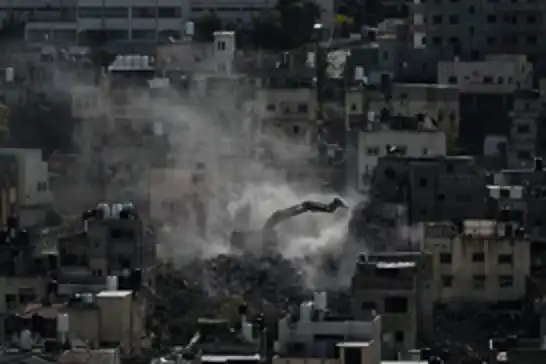
Nearly 4,000 Palestinians have been forcibly displaced as Israel’s ongoing military operation in the occupied West Bank’s al-Khalil Governorate entered its fourth consecutive day, with 619 families affected by raids, arrests and sweeping movement restrictions.

The Council of the European Union has approved €4.9 billion in funding for Ukraine’s military needs, including reimbursements to member states for military assistance already delivered and additional financing for the EU’s military training mission.

Major General Ali Abdollahi, chief of staff of Iran’s armed forces, has reaffirmed Tehran’s control over the Strait of Hormuz, stressing that Iranian military and naval forces maintain comprehensive oversight of the strategic waterway and surrounding maritime areas.