Kenyan doctors threaten nationwide strike over alleged US-backed Ebola quarantine facility
 13 oC
13 oC 
Güneşli

The Kenya Medical Practitioners, Pharmacists and Dentists' Union (KMPDU) has sharply criticized the secret negotiations between the Kenyan government and the United States.
The proposed plan involves establishing a 50-bed quarantine facility at Laikipia Air Base in central Kenya to isolate American citizens exposed to Ebola while abroad rather than returning them directly to the United States. The proposal has sparked anger among local communities, legal groups, health professionals, and regional activists who argue that the move effectively exports public health risks to Africa.
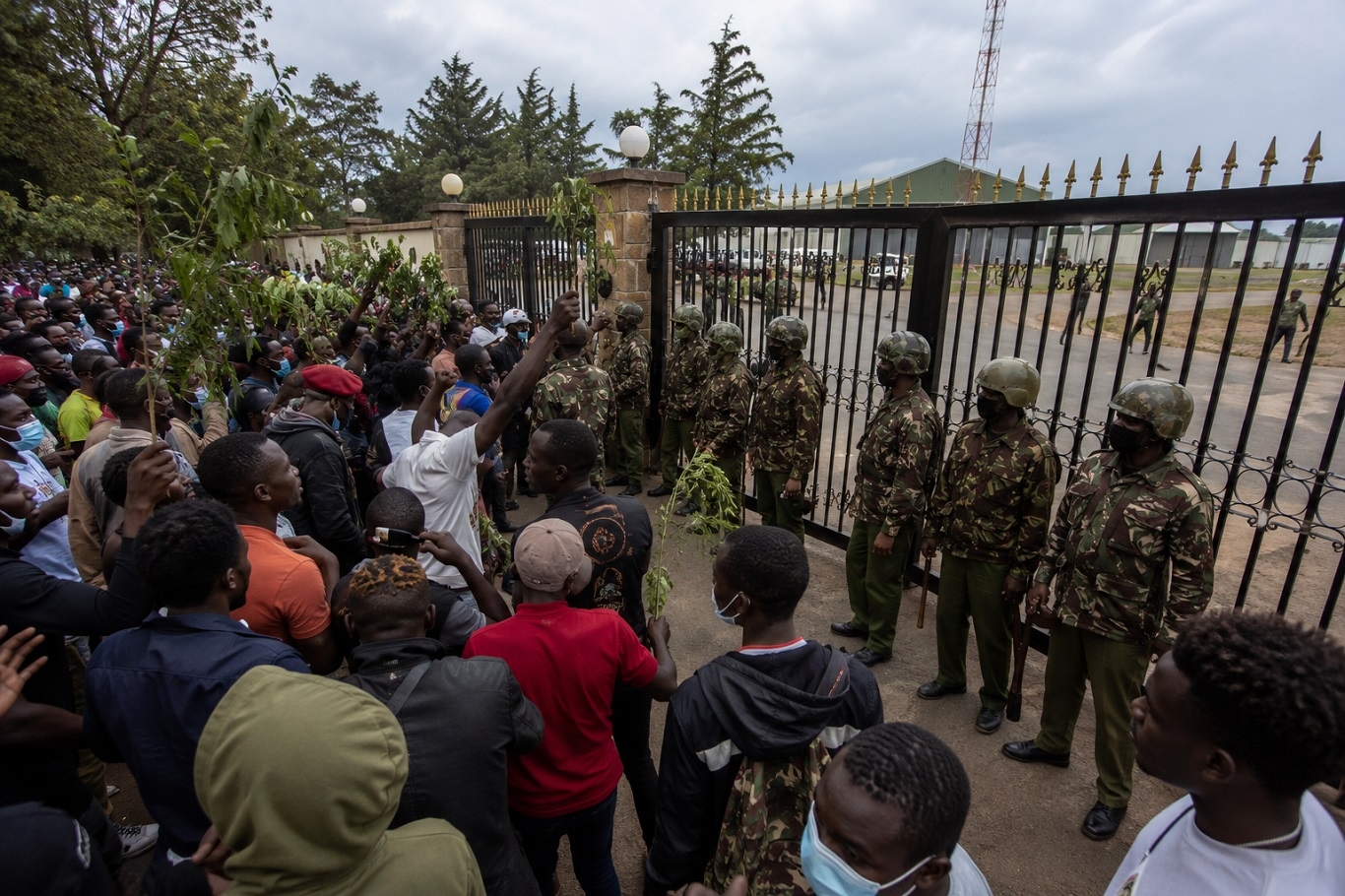
On Monday, hundreds of young protesters marched toward the gates of the military base in Nanyuki town chanting anti-Ebola slogans and demanding the cancellation of the project. Demonstrators carried signs reading “Kenya is not a dumping ground” and questioned why Americans potentially exposed to Ebola could not be quarantined on US soil. Protesters also accused authorities of putting local communities at unnecessary risk.
At the center of public anger is a broader question repeatedly raised by local leaders and civil society organizations: if the exposed individuals are American citizens, why are they not being quarantined inside the United States?
Laikipia Governor Joshua Irungu warned that the facility could directly affect surrounding communities, pointing to the large number of Kenyan workers employed at the military installation and arguing that the project exposes local residents to avoidable risks.
Kenya’s High Court has already temporarily suspended the establishment of the facility and blocked the arrival of foreign patients while legal proceedings continue. The challenge was brought by the Kenya Law Society and constitutional watchdog groups, which argued that the country’s health system remains too fragile to safely manage such a high-risk operation.
Legal filings submitted to the court argue that Kenya lacks sufficient high-containment infrastructure required for handling deadly infectious diseases such as Ebola and warn that inadequate preparedness could place millions at risk if containment measures fail.
Kenyan medical organizations have also warned against transforming the country into a destination for other nations’ health emergencies. A doctors’ union threatened industrial action, arguing that Kenya should not become a location where external health risks are relocated because wealthier countries prefer not to host them.
Despite mounting criticism, US Secretary of State Marco Rubio announced that Washington would provide $13.5 million to strengthen Kenya’s Ebola preparedness efforts. Critics, however, argue that financial support does not answer concerns about public safety, transparency, and national sovereignty.
Kenya has not reported any Ebola cases so far. However, neighboring Uganda has confirmed infections linked to the ongoing outbreak, while the outbreak’s epicenter remains in the Democratic Republic of Congo, where health authorities continue struggling with containment efforts amid logistical and security challenges. The current outbreak involves the Bundibugyo strain, which has no approved vaccine or treatment.
As protests intensify, what began as a public health measure is increasingly turning into a political debate over sovereignty, global inequality, and whether African countries should bear the burden of health risks that wealthier nations refuse to manage domestically. For many demonstrators in Kenya, the message remains clear: Africa should not pay the price for risks that powerful countries are unwilling to shoulder themselves. (ILKHA)
LEGAL WARNING: All rights of the published news, photos and videos are reserved by İlke Haber Ajansı Basın Yayın San. Trade A.Ş. Under no circumstances can all or part of the news, photos and videos be used without a written contract or subscription.

Obesity rates in Türkiye have continued to rise, with new official data showing that more than one in five adults is now classified as obese, while physical inactivity remains widespread and tobacco consumption is increasing.
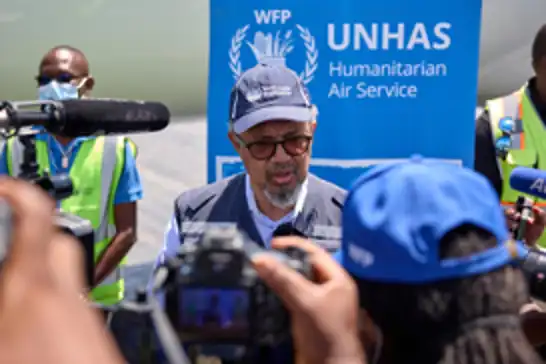
World Health Organization Director-General Dr. Tedros Adhanom Ghebreyesus has called on countries imposing travel restrictions and border closures in response to the ongoing Ebola outbreak to reconsider their measures, warning that such actions could undermine transparency and global solidarity efforts.
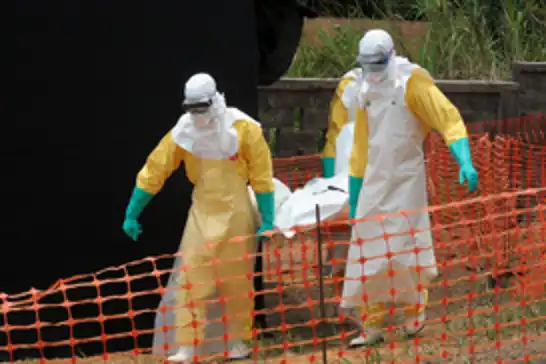
A rapidly expanding Ebola outbreak utilizing a rare, vaccine-resistant strain has surpassed 1,000 suspected cases across the Democratic Republic of the Congo (DRC) and neighboring Uganda, triggering a massive international containment effort.

The World Health Organization (WHO) has issued a renewed global warning over the growing use of tobacco and nicotine products among children and teenagers, urging governments to take stronger measures to prevent a new generation from becoming addicted.