Kosovo holds second parliamentary election in 11 months to break political deadlock
 13 oC
13 oC 
Güneşli

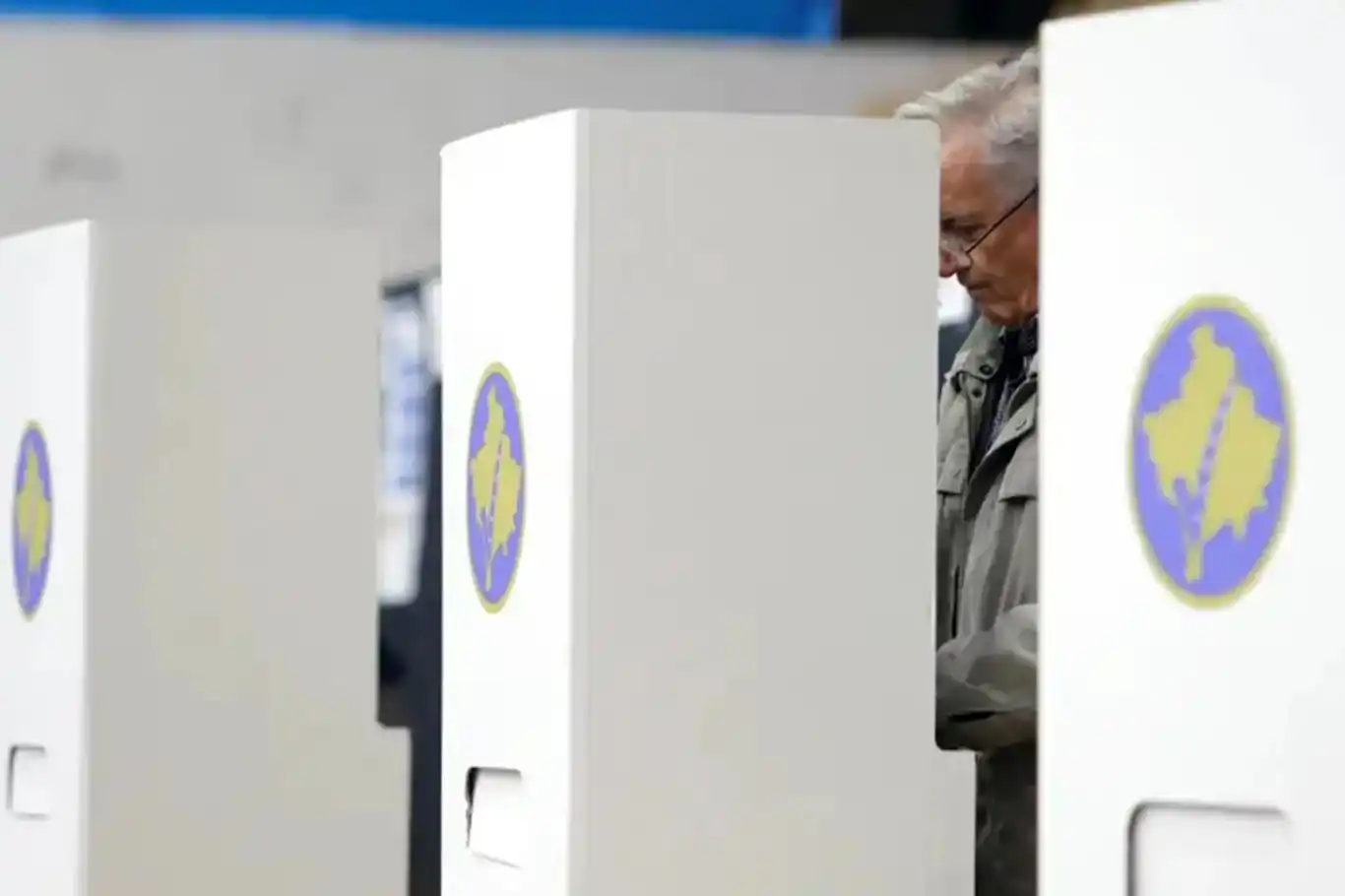
Kosovo went to the polls again on Sunday for snap parliamentary elections, the second time in less than a year, as political leaders seek to end a prolonged stalemate that has left the country without a functioning government and jeopardized vital international funding.
The left-wing nationalist Vetevendosje (Self-Determination Movement) led by Prime Minister Albin Kurti is seeking a clear parliamentary majority after winning the most seats in February’s election but failing to form a governing coalition.
President Vjosa Osmani dissolved the legislature in November after months of unsuccessful attempts by political parties to agree on leadership and government formation, leaving the Assembly effectively paralyzed and unable to function.
Critical Vote Amid Political Gridlock
Polling stations opened at 07:00 (06:00 GMT) and closed at 19:00, with exit polls and initial results expected Sunday evening.
The election comes amid deep political divisions. Kurti, who has governed since 2021, hopes for a decisive result similar to his 2021 victory, which enabled him to form a government largely on his own. However, even if Vetevendosje wins the largest share of seats again, it remains unclear whether other parties will agree to form a coalition with him.
Opposition parties, including the Democratic Party of Kosovo (PDK) and the Democratic League of Kosovo (LDK), have repeatedly refused to govern with Kurti, criticizing his handling of relations with Western allies and his policies toward Kosovo’s ethnically divided north, where a significant Serb minority lives.
Bedri Hamza, a former finance minister and new head of the PDK, has emerged as one of Kurti’s most prominent challengers, promoting liberal economic policies and greater emphasis on market growth and social protection.
High Stakes and Financial Pressures
The outcome of Sunday’s vote carries serious consequences. Kosovo must elect a new president by March–April 2026, and it needs to ratify about €1 billion in loan agreements with the European Union and the World Bank that are slated to expire in the coming months.
Failure to elect a stable government could further deepen the political and economic crisis, delaying budget measures and essential funding for critical sectors like health and education. Analysts warn that continued deadlock could even trigger yet another snap election if a president cannot be chosen.
Voter Sentiment and Broader Issues
Campaign issues ranged from promises of higher public sector wages and capital investment to the promise of a new prosecution unit to tackle organized crime — pledges that have resonated unevenly with a public weary of political instability and economic pressures.
Many voters remain disillusioned and uncertain about whether the election will resolve entrenched divisions or simply extend the gridlock. “There wouldn’t be great joy whether Kurti wins or not,” one local voter told Reuters, reflecting widespread frustration with the political status quo.
Kosovo’s political crisis has also intersected with stalled strategic dialogue with the United States, a key ally, and ongoing tensions with Serbia — a dynamic that continues to shape both domestic politics and Kosovo’s aspirations for integration into the European Union.
As the nation awaits final results, all eyes are on whether Kosovo’s voters can deliver the decisive outcome needed to overcome months of deadlock and chart a path forward for democratic governance and economic stability. (ILKHA)
LEGAL WARNING: All rights of the published news, photos and videos are reserved by İlke Haber Ajansı Basın Yayın San. Trade A.Ş. Under no circumstances can all or part of the news, photos and videos be used without a written contract or subscription.
At least nine people have been killed and several others injured after explosions struck the Magami–Dansadau Road in Maru Local Government Area of Zamfara State, Nigeria, in a suspected bandit attack on Saturday afternoon.
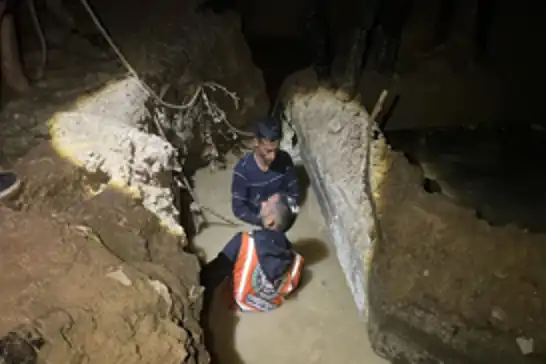
A Palestinian child has lost his life in the northern Gaza Strip after falling into a rainwater-filled channel, as a powerful winter storm battered the besieged enclave and highlighted the deadly consequences of Israel’s ongoing genocidal war on civilian life.
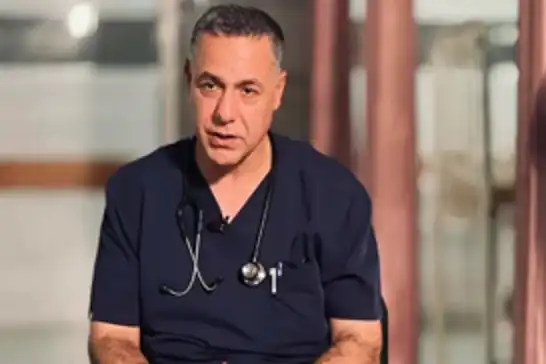
One year after his abduction by Israeli occupation forces, Palestinian pediatrician and hospital director Dr. Hussam Abu Safiya remains imprisoned without charge or trial, in what human rights advocates describe as a flagrant violation of international law and a stark example of Israel’s systematic targeting of Gaza’s healthcare sector.
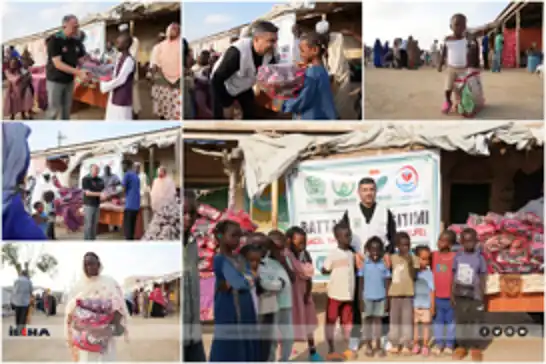
Civil society organizations continue to deliver humanitarian assistance across Sudan as the country grapples with an internal war and humanitarian crisis that has persisted for more than two years, leaving millions displaced and in urgent need of aid.