Kuwait grapples with security dilemma as US military presence draws Iranian fire
 13 oC
13 oC 
Güneşli

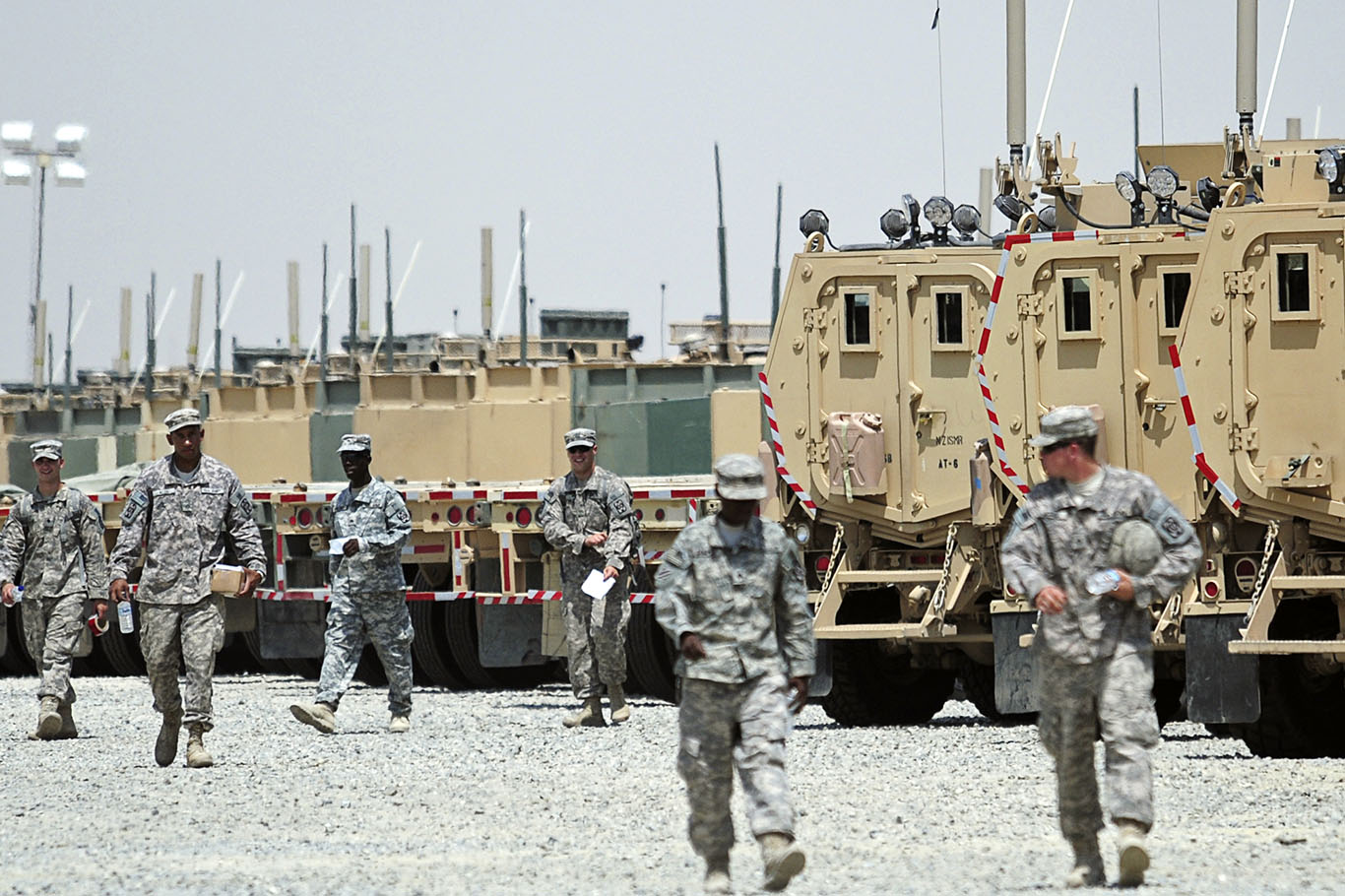
A recent Wall Street Journal analysis has highlighted growing strains in the longstanding US-Kuwait security partnership amid the ongoing war with Iran, raising questions about the sustainability and risks of America’s large military footprint in the Gulf emirate.
According to the WSJ report by David S. Cloud, Shelby Holliday, and Anika Arora Seth, Kuwait finds itself caught between reliance on US protection and the heightened vulnerability created by hosting major American bases and logistics hubs. While the US military presence has long been viewed as a cornerstone of Kuwaiti security since the 1991 Gulf War, the conflict with Iran has exposed its contradictions.
Kuwait hosts approximately 13,500 US troops, making it one of the largest permanent overseas deployments for American forces. Key installations such as Camp Arifjan and Ali al Salem Air Base have served as critical support centers for US operations across the region for decades. However, Iranian missile and drone attacks targeting US-linked sites have struck military facilities, airports, power infrastructure, and desalination plants — vital for a country that produces over 90% of its drinking water through desalination.
US officials say American air defense systems intercepted most incoming projectiles, limiting casualties. Still, the attacks have fueled debate within Kuwait about whether the US bases act as a deterrent or a magnet for retaliation.
“The attacks have made people in Kuwait think of the U.S. presence as a liability, but also as absolutely necessary to defend Kuwait,” said Douglas Silliman, president of the Arab Gulf States Institute and former US ambassador to Kuwait.
Retaliation and Regional Tensions
Iran has justified strikes on facilities in Kuwait as self-defense, arguing that bases and infrastructure used to support US operations against Iran constitute legitimate targets. Iranian officials, including Foreign Ministry spokesperson Esmaeil Baqaei, have warned Gulf states against providing territory, airspace, or waters for attacks on Iran, describing the US military presence as the primary source of regional insecurity.
Kuwaiti officials have denied reports that the country participated directly in strikes against Iran, maintaining its role is limited to hosting US forces.
Economic and Civilian Impact
The war has inflicted significant economic damage on Kuwait. The temporary closure of the Strait of Hormuz disrupted nearly two million barrels per day of oil exports, severely affecting state revenues. Strikes have also damaged energy infrastructure and raised concerns over long-term threats to power and water supplies.
Pentagon officials have reportedly begun reducing US personnel in Kuwait to lower exposure to further attacks, with discussions ongoing about dispersing forces and assets if the conflict continues.
Diverging Views on the Way Forward
The WSJ analysis frames Kuwait’s challenge as balancing dependence on US security guarantees with the evolving threats posed by Iranian missiles and drones. Some Kuwaiti voices argue that the US presence remains essential despite its risks.
Others, including Iranian officials, contend that true regional security requires reducing reliance on foreign bases and pursuing arrangements among Gulf states that prohibit the use of territory for attacks on neighbors.
Kuwait has signaled continued close cooperation with the United States while also exploring additional defense partnerships, including a recent agreement with Pakistan.
As the war persists, Kuwait faces difficult strategic choices: whether to deepen its defense ties with Washington through more advanced weapons systems or to seek a broader regional approach to reduce its exposure as a potential battleground in future conflicts.
The situation underscores the complex security dynamics in the Gulf, where longstanding alliances are being tested by the realities of modern missile and drone warfare. (ILKHA)
LEGAL WARNING: All rights of the published news, photos and videos are reserved by İlke Haber Ajansı Basın Yayın San. Trade A.Ş. Under no circumstances can all or part of the news, photos and videos be used without a written contract or subscription.

Israeli occupation forces carried out a massive underground explosion beneath the historic Shaqif Fortress (Beaufort Castle) in the Arnoun area of southern Lebanon overnight Thursday into Friday, detonating an estimated 700 tons of explosives in an operation that Lebanese officials and observers say targeted one of the country's most important cultural heritage sites.
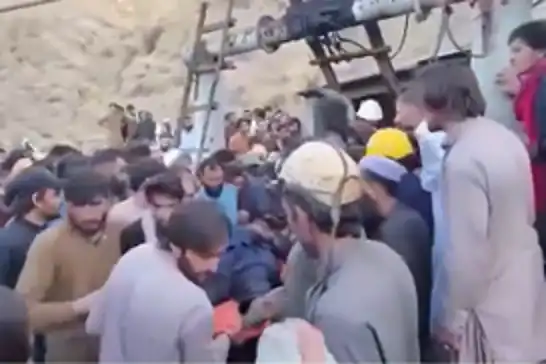
The death toll from a coal mine collapse in Pakistan's southwestern Balochistan province has risen to 34 after rescue teams recovered six more bodies from the site on Friday, officials said, as operations continued to search for miners still believed to be trapped underground.
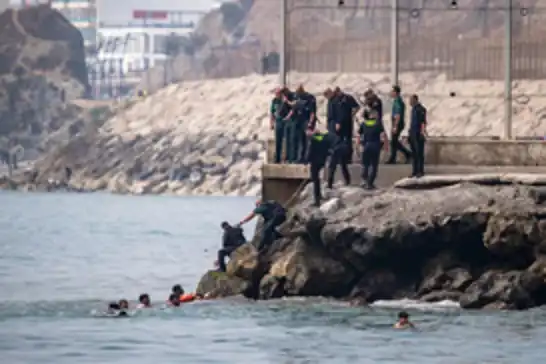
At least 18 migrants have died while attempting to reach Spain's North African enclave of Ceuta after tens of thousands of people breached the border with Morocco in one of the largest mass crossings in recent years, triggering a humanitarian and security crisis.