Kuwait intercepts 2 ballistic missiles, 13 drones launched from Iran
 13 oC
13 oC 
Güneşli

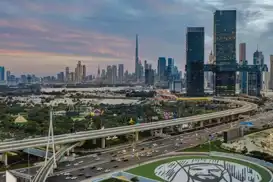
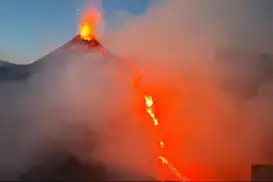
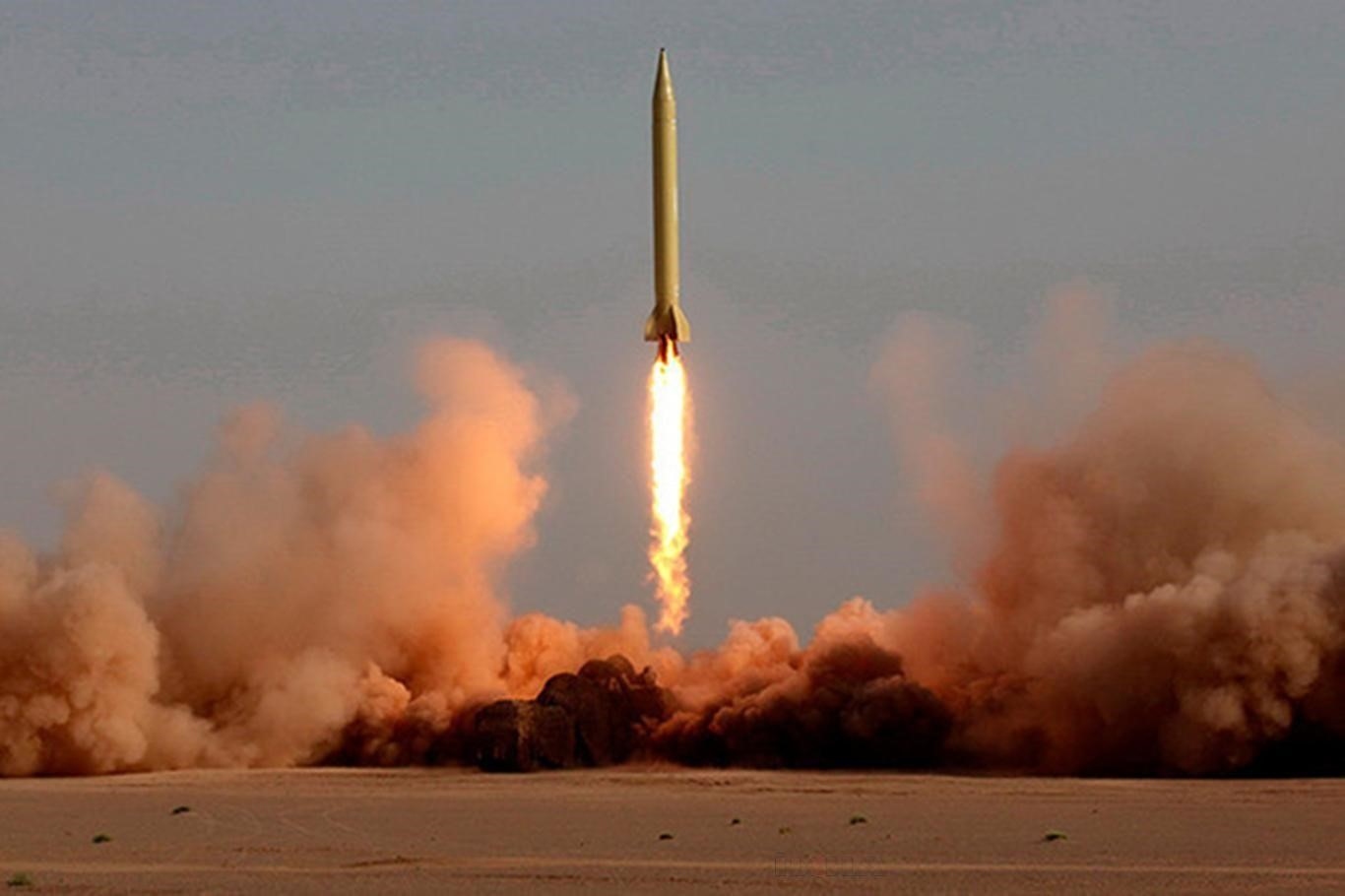
Kuwait's armed forces said they intercepted two ballistic missiles and 13 drones that entered the country's airspace early Wednesday, with no casualties or material damage reported.
In a statement, the Ministry of Defense said air defense systems successfully engaged the incoming projectiles after they violated Kuwaiti airspace.
Defense Ministry spokesperson Col. Staff Saud Abdulaziz Al-Atwan said the interceptions were carried out without any reported injuries or damage, adding that the armed forces remain fully prepared to safeguard the country's security.
Hundreds of aerial threats intercepted
The ministry also said that since the start of U.S. and Israeli strikes on Iran on Feb. 28, Kuwait's air defense systems have intercepted a total of 906 drones, 383 ballistic missiles and 15 cruise missiles.
The latest interceptions came amid heightened tensions across the Gulf as regional countries remain on high alert over the continuing exchange of attacks involving Iran, the United States and Israel.(ILKHA)
LEGAL WARNING: All rights of the published news, photos and videos are reserved by İlke Haber Ajansı Basın Yayın San. Trade A.Ş. Under no circumstances can all or part of the news, photos and videos be used without a written contract or subscription.

The death toll from Israel's military campaign in the Gaza Strip has climbed to 73,110, the majority of them women and children, despite a ceasefire that took effect on October 11, according to Palestinian medical sources.
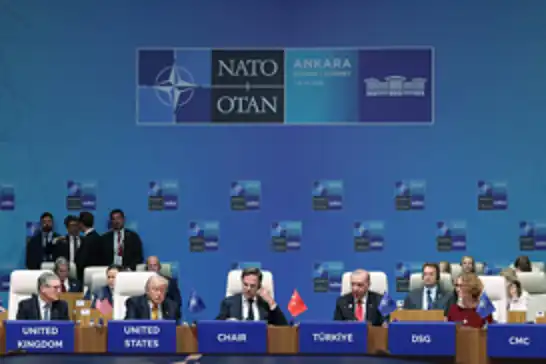
President Recep Tayyip Erdoğan on Wednesday announced a major expansion of Türkiye’s defense capabilities, unveiling a $24 billion investment in the country's "Steel Dome" air and missile defense project while reaffirming Ankara’s commitment to strengthening NATO’s collective security architecture.
A sustained Ukrainian long-range drone campaign targeting Russia's oil infrastructure has disrupted operations at several of the country's largest refineries, contributing to fuel shortages, export restrictions, and mounting pressure on Russia's energy sector.