Millions join funeral procession for Ayatollah Khamenei in Qom following historic Tehran ceremony
 13 oC
13 oC 
Güneşli

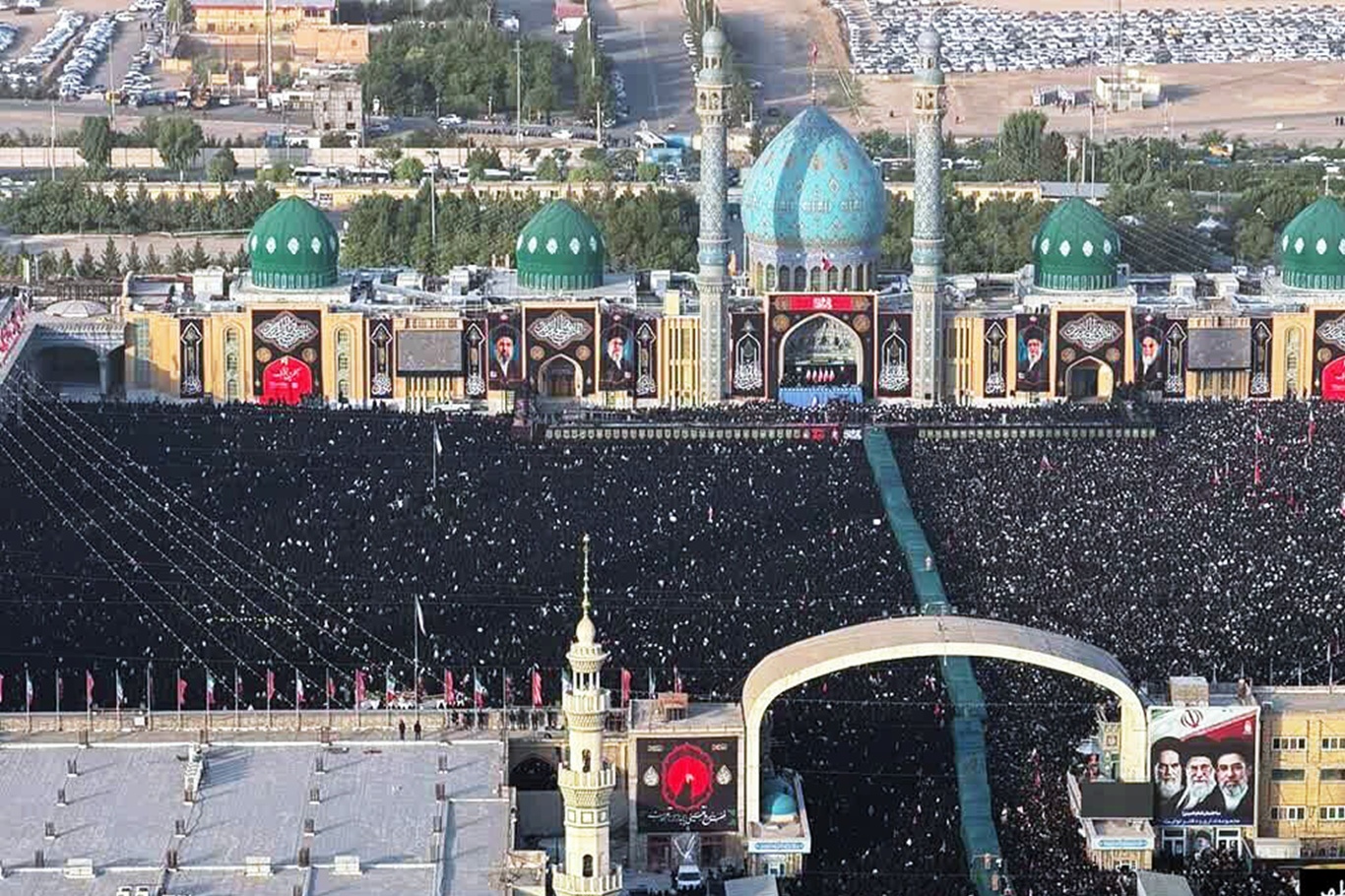
Millions of mourners gathered in the holy Iranian city of Qom on Tuesday to participate in funeral ceremonies for Ayatollah Seyed Ali Khamenei and members of his family, continuing days of nationwide mourning following one of the largest funeral processions in Iran's modern history.
The ceremony began at 6:00 a.m. local time with funeral prayers at the Jamkaran Mosque, where senior cleric Ayatollah Abdollah Javadi Amoli led worshippers in prayer before the start of the procession.
Following the prayers, mourners moved along Prophet Mohammad (PBUH) Boulevard toward the shrine of Hazrat Fatima Masoumeh (SA), carrying portraits, banners, and flags as crowds filled the streets of the religious city.
Aerial images released from the scene showed vast numbers of participants gathered for the ceremony. The procession also drew delegations and mourners from several countries, including Türkiye, Iraq, Pakistan, and Afghanistan, reflecting the regional significance of the event.
The Qom gathering followed Monday's massive funeral procession in Tehran, where millions of people reportedly took to the streets of the Iranian capital to pay their respects. Crowds began assembling in the early hours of the morning, creating what Iranian media described as one of the largest public gatherings in the country's recent history.
Official mourning ceremonies began on July 3, when foreign dignitaries, religious figures, and official delegations from across the region arrived in Tehran to offer condolences and participate in commemorative events.
On July 4 and 5, millions of mourners attended farewell ceremonies at the Imam Khomeini Musalla in Tehran, where Quran recitations and elegies were held throughout the day and night. Funeral prayers for Ayatollah Khamenei and members of his family were later performed with the participation of senior Iranian political, military, and religious officials.
According to organizers, the funeral events will continue beyond Iran's borders. Commemorative ceremonies are scheduled to be held in the Iraqi cities of Najaf and Karbala on Wednesday at the request of Iraqi religious and political leaders.
The mourning period is expected to conclude on Thursday with the burial of Ayatollah Khamenei at the shrine of Imam Reza (AS) in Mashhad, one of the most revered religious sites in the Muslim world.
Ayatollah Khamenei was killed in a joint U.S.-Israeli strike on Tehran on February 28, 2026, according to Iranian authorities. The attack occurred at the outset of a 40-day conflict between Iran and its adversaries, an event that Iranian officials have described as a war of aggression against the Islamic Republic.
His death sparked widespread mourning ceremonies across Iran and among groups aligned with the so-called Axis of Resistance. During the funeral processions, many participants carried red flags and banners symbolizing what organizers described as a continuing demand for justice and accountability following his killing.
The ceremonies have become one of the most significant public mourning events in Iran in recent decades, drawing millions of participants from across the country and abroad as tributes continue in honor of the late Iranian leader. (ILKHA)
LEGAL WARNING: All rights of the published news, photos and videos are reserved by İlke Haber Ajansı Basın Yayın San. Trade A.Ş. Under no circumstances can all or part of the news, photos and videos be used without a written contract or subscription.
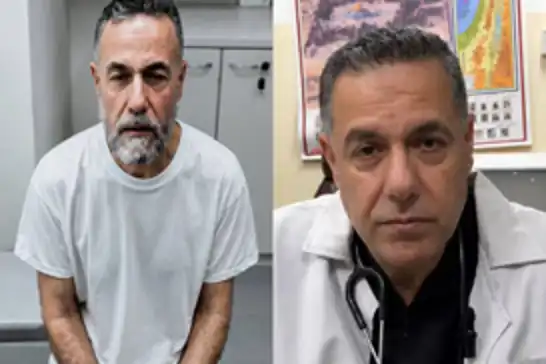
The United Nations Human Rights Council (UNHRC) has called on Israel to immediately release Dr. Hussam Abu Safiya, the director of Kamal Adwan Hospital in northern Gaza, describing his detention as "arbitrary" and raising concerns about his deteriorating health while in Israeli custody.
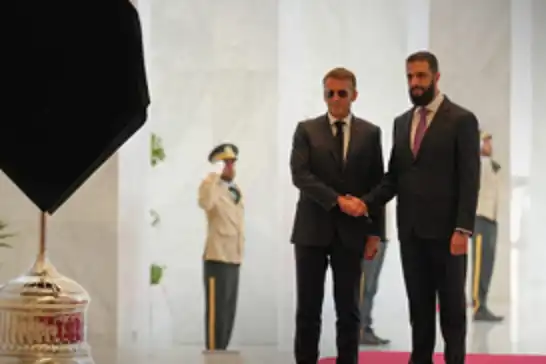
The Elysee Palace said French President Emmanuel Macron was unharmed after two explosions occurred near the hotel where he had stayed overnight during his official visit to Syria's capital, Damascus.
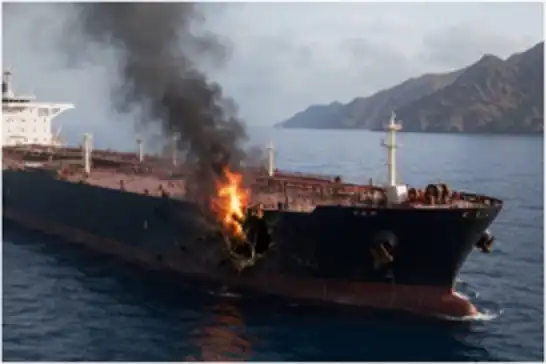
A liquefied natural gas (LNG) tanker issued repeated distress calls after coming under attack while sailing in the Gulf of Oman near the Strait of Hormuz.