Muhammad Sinwar: Three decades of secrecy, resistance, and command
 13 oC
13 oC 
Güneşli

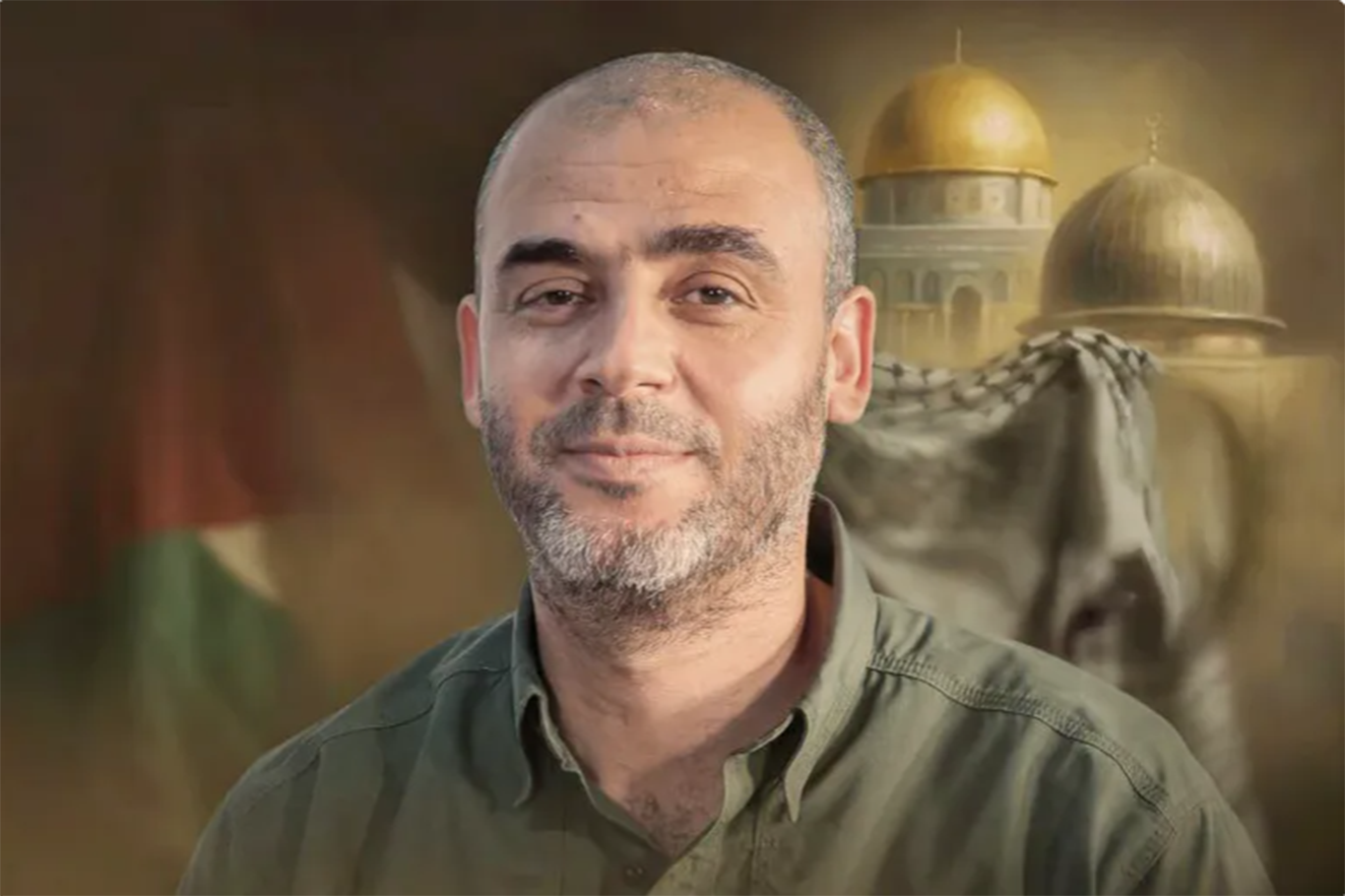
The Al-Qassam Brigades, the military wing of the Palestinian Resistance Movement Hamas, has confirmed the martyrdom of Muhammad Sinwar, one of its most secretive and influential military commanders, following an intense Israeli bombardment east of Khan Yunis on May 13, 2025.
Sinwar, who assumed leadership of the Brigades’ military staff during Israel’s ongoing genocidal war on Gaza, succeeded longtime commander Mohammed al-Deif and played a central role in shaping the resistance’s military doctrine, operational readiness, and underground infrastructure.
For more than 30 years, Muhammad Sinwar remained almost entirely out of public view, successfully evading Israeli intelligence despite being one of its most wanted targets. His martyrdom marks the loss of a figure widely regarded within Palestinian resistance circles as a key architect of military resilience under siege.
A Life of Secrecy and Resistance
Since joining the Qassam Brigades in 1992, Sinwar adhered to an uncompromising policy of concealment. He never appeared publicly with his face uncovered, leaving Israeli intelligence with only fragmented information about his appearance or movements.
Israeli occupation authorities viewed him as a central operational figure, particularly during the period leading up to the October 7, 2023 operation, known as Al-Aqsa Flood. According to resistance sources, Sinwar played a decisive role in planning and coordinating military preparations while maintaining strict compartmentalization to protect operational secrecy.
His martyrdom was announced following Israeli airstrikes targeting the vicinity of the European Hospital east of Khan Yunis, an area that has witnessed repeated bombardment during the war.
“Knocking on Doors”: Prisoners and the Meaning of Resistance
About a year before the October 7 operation, Sinwar—then head of the Brigades’ operations branch—met privately with a small group of Palestinian political writers in Gaza. During the meeting, he spoke briefly about the issue of Palestinian prisoners held in Israeli jails, stating that their freedom would only come “through knocking on doors.”
At the time, the remark appeared symbolic. After October 7, it was widely understood as a reference to resistance operations aimed at forcing prisoner exchanges after decades of failed negotiations.
Injury, Adaptation, and Continued Leadership
Sinwar sustained a spinal injury during an Israeli assassination attempt in the 2014 Gaza war, leaving him with a noticeable curvature of the back. Despite this injury, sources say he remained deeply involved in operational planning, field oversight, and strategic coordination.
To evade surveillance, he reportedly used old or unremarkable vehicles, sometimes resembling public transport, and relied on disguises when visiting his family home in the Khan Yunis refugee camp during periods of relative calm.
As part of preparations for the October 7 operation, Sinwar reportedly ordered the production of large quantities of a specific type of rocket with particular range specifications, without revealing their intended use. On the morning of the operation, thousands of these rockets were launched under the ‘Rajum’ system, providing fire cover across settlements surrounding Gaza.
Battlefield Experience and Logistical Oversight
Testimonies from within the resistance indicate that Sinwar maintained direct involvement in frontline operations and frequently visited combat zones, including eastern Gaza.
During Israel’s 2014 ground invasion of Khan Yunis—referred to by Palestinian factions as the “Eaten Straw” battle—he served as commander of the Khan Yunis Brigade and took part directly in fighting against invading forces.
In 2015, Sinwar assumed responsibility for overseeing weapons supply routes and logistical support to combat units, succeeding commander Muhammad Abu Shamala, who was killed in the same war. He reportedly developed external relationships connected to weapons supply networks and spent extended periods underground, supervising operations from within Gaza’s tunnel system.
Among the operations attributed to Sinwar was the 2005 attack near the Al-Matahin checkpoint north of Khan Yunis, which targeted an Israeli intelligence site. He also oversaw the detention of Israeli soldier Gilad Shalit following his capture in 2006, during which Shalit remained hidden for five years until a prisoner exchange secured the release of over 1,000 Palestinian detainees.
Intelligence, Organization, and Military Development
Following a failed Israeli special forces raid in eastern Khan Yunis in November 2018, Sinwar supervised internal investigations and coordinated the resistance’s response, which included targeting an Israeli military bus near the Gaza boundary.
Fluent in Hebrew, he closely followed Israeli political and military developments. Over the years, he played a central role in establishing an internal communications network for the Qassam Brigades, addressing vulnerabilities exposed during the 2012 war.
In later stages of his leadership, Sinwar also oversaw the creation of an Administration and Organization Unit within the Brigades, as well as a quality-control body for military production—moves seen as efforts to professionalize and sustain resistance capabilities under blockade.
Legacy Amid War
Muhammad Sinwar’s martyrdom comes amid one of the deadliest periods in Gaza’s history, as Israel continues a devastating assault on the besieged enclave. For many Palestinians, he is remembered as a figure who embodied secrecy, endurance, and unwavering commitment to resistance, operating for decades under constant threat while shaping the military infrastructure that challenged Israeli dominance.
His martyrdom, while celebrated by Israeli officials, is widely seen in Gaza as part of a broader campaign to eliminate symbols of Palestinian resistance—one that has so far failed to extinguish the struggle itself. (ILKHA)
LEGAL WARNING: All rights of the published news, photos and videos are reserved by İlke Haber Ajansı Basın Yayın San. Trade A.Ş. Under no circumstances can all or part of the news, photos and videos be used without a written contract or subscription.
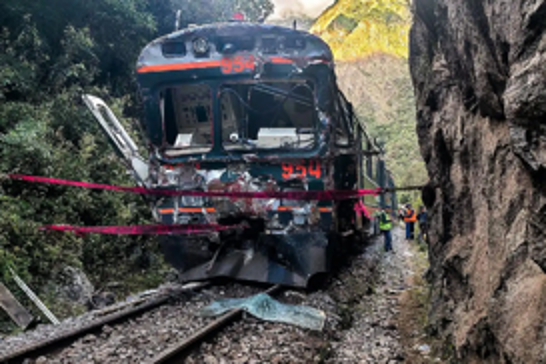
A head-on collision between two tourist trains on the rail line to Peru's famed Machu Picchu left one person dead and at least 40 injured on Wednesday, authorities said, revising an earlier casualty toll.

German police are continuing an intensive manhunt after thieves carried out one of the largest bank heists in the country’s recent history, drilling into the underground vault of a Sparkasse savings bank in Gelsenkirchen and stealing cash, gold, and jewellery valued at an estimated €30 million.
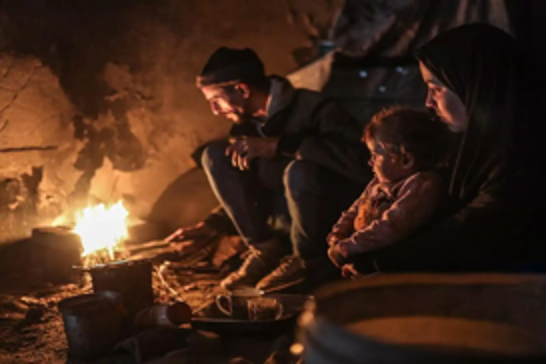
Severe winter storms, accompanied by strong winds and heavy rainfall, have caused widespread destruction to makeshift displacement camps across the Gaza Strip, leaving thousands of Palestinian families exposed to freezing temperatures amid Israel’s ongoing blockade.